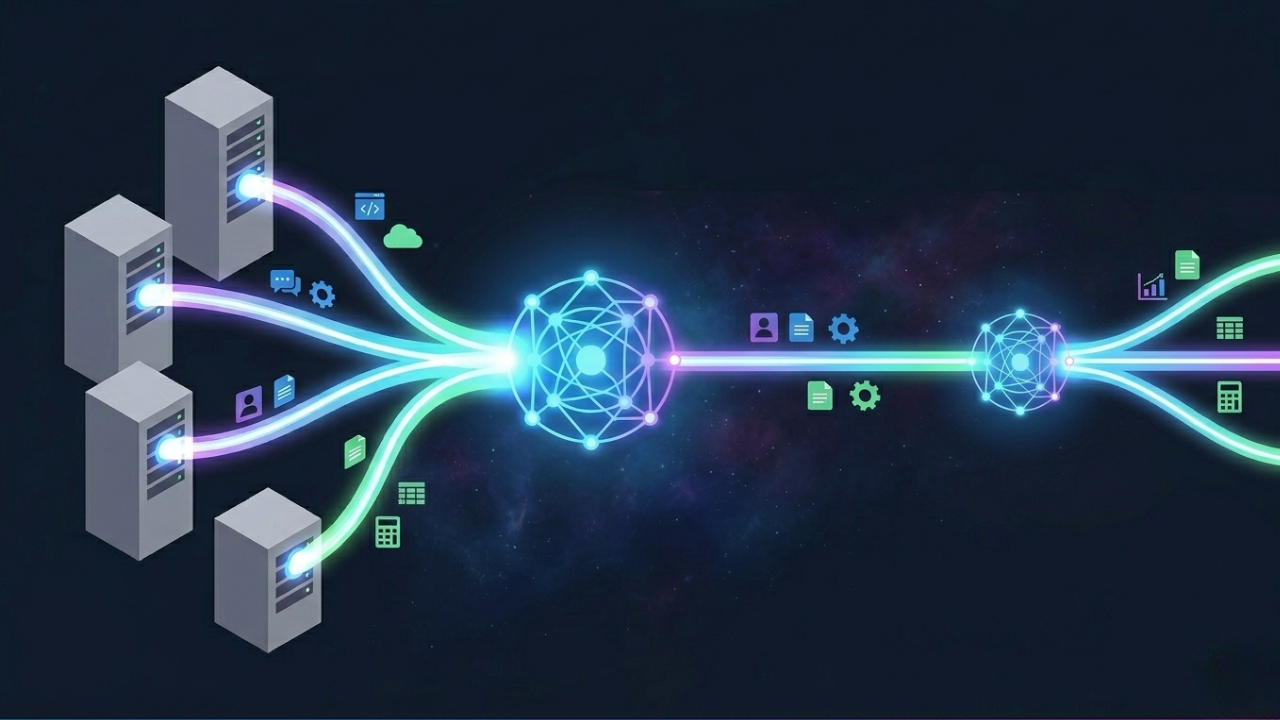
Many enterprises unknowingly operate with fragmented IT environments. Departments often deploy applications independently, infrastructure grows in isolated pockets, and systems evolve without a unified strategy. While each solution may function effectively on its own, the lack of connectivity between them creates operational bottlenecks, inefficient workflows, and limited enterprise-wide visibility.
This is where enterprise systems integration becomes essential. Rather than letting systems function in isolation, integration connects applications, platforms, and infrastructure into a unified, high-performance IT ecosystem. By eliminating IT silos, organizations can achieve improved collaboration, better decision-making, enhanced security, and streamlined operations.
At Team Computers, we help enterprises break down these silos, creating scalable, connected IT environments that support growth, innovation, and digital transformation. In this article, we will explore why IT silos form, their impact on business performance, and how structured enterprise systems integration builds resilient, scalable IT ecosystems.
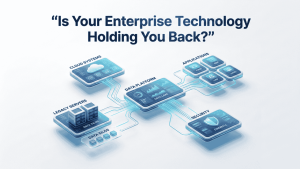
IT silos emerge gradually as businesses grow. Departments often adopt specialized applications to solve immediate problems, while legacy systems remain in use due to operational dependencies. Over time, these systems stop communicating effectively, creating fragmented IT environments where critical information is scattered across platforms.
Several factors contribute to the creation of IT silos. Department-specific technology adoption without centralized oversight, legacy systems that cannot integrate with modern platforms, rapid cloud deployments without planning, and multiple data repositories all contribute to isolated workflows.
These silos limit operational efficiency. IT teams spend significant time manually reconciling data, and decision-makers struggle to gain a clear, unified view of enterprise operations. Without proper integration, enterprises risk inefficiencies, missed insights, and slower response to business needs.
IT silos are more than a technical inconvenience, they directly affect productivity, customer experience, and strategic decision-making. When systems operate in isolation, teams cannot access consistent data, workflows slow down, and reporting becomes unreliable.
For example, customer information scattered across CRM, finance, and support platforms prevents teams from gaining a full view of the customer journey, which can hinder service quality and slow down response times. Similarly, fragmented operational systems make it difficult for leadership to monitor performance and make timely decisions.
Research shows that organizations lose significant productivity every year due to poor interoperability between IT systems [STAT]. By addressing these silos, enterprises can streamline operations, improve visibility, and make informed, data-driven decisions.
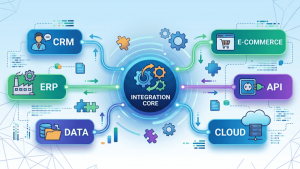
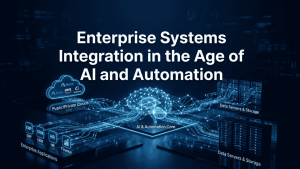
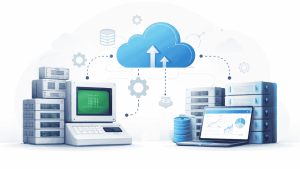
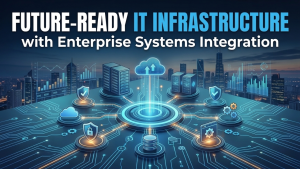
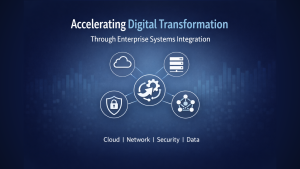
Enterprise systems integration connects applications, infrastructure, and data platforms into a cohesive ecosystem. Instead of operating independently, systems share information seamlessly, reducing manual processes and improving visibility.
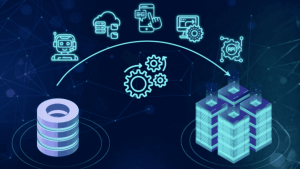
Modern integration strategies often involve connecting ERP, CRM, HR, and analytics platforms using APIs or middleware to enable real-time data sharing. Infrastructure components such as servers, storage systems, and cloud environments are aligned to optimize resources. Meanwhile, data from multiple systems is consolidated to support analytics, reporting, and AI-driven insights.
Through this approach, IT systems move from isolated islands to a connected architecture where technology supports collaboration, operational efficiency, and strategic decision-making.
When organizations implement enterprise systems integration, they experience tangible improvements across operational and strategic dimensions:
These benefits empower enterprises to adopt advanced technologies such as AI, automation, and predictive analytics without creating new silos or operational complexity.
While integration delivers substantial benefits, it requires careful planning and expertise. Enterprises need to assess existing systems, identify gaps, design scalable architectures, and implement secure connectivity between platforms.
A structured integration approach begins with evaluating the current IT infrastructure and applications to understand existing capabilities and gaps. Organizations then identify inefficiencies and opportunities where systems can be better connected. Based on these insights, a connected, future-ready architecture is designed to ensure all technologies operate cohesively.
Secure, automated workflows are implemented to streamline operations, while continuous monitoring and optimization keep the integrated ecosystem efficient, resilient, and aligned with evolving business needs.
Team Computers specializes in enabling enterprise systems integration that eliminates silos and drives operational efficiency. By aligning infrastructure, cloud platforms, applications, and cybersecurity frameworks into a unified architecture, organizations gain better visibility, stronger security, and simplified vendor management.
“IT silos limit an organization’s ability to innovate and respond quickly to business needs. Enterprise systems integration ensures that technology ecosystems operate as connected platforms rather than isolated systems.”
— Head of IT Services, Team Computers
Fragmented IT environments hinder enterprise growth and efficiency. When systems operate in isolation, organizations face poor visibility, inefficient workflows, and limited data accessibility. Enterprise systems integration transforms these disconnected platforms into a cohesive ecosystem that supports collaboration, better decision-making, and scalable operations.
Key Takeaways:
If your enterprise struggles with fragmented systems or lacks visibility across IT operations, it is time to explore a structured integration strategy. Discover how Team Computers can eliminate IT silos and build a connected, scalable IT ecosystem that drives performance, efficiency, and digital growth.