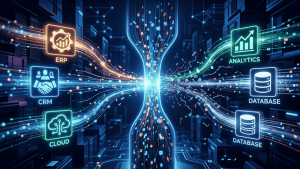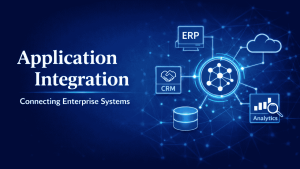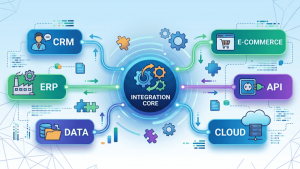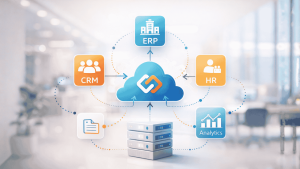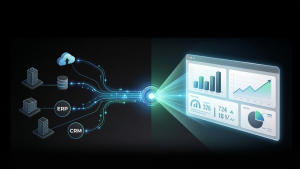
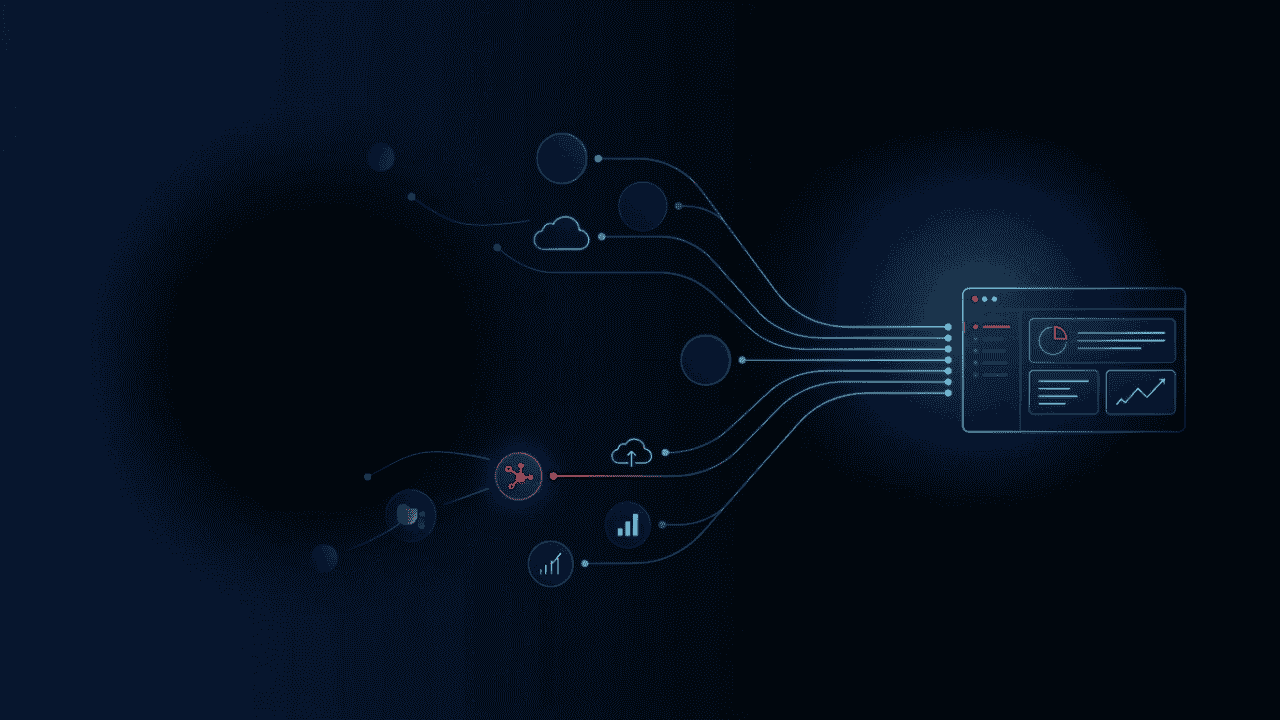
Modern enterprises generate massive volumes of data across multiple systems. Customer interactions are captured within CRM platforms, financial transactions are stored in ERP systems, operational data resides within supply chain applications, and analytics platforms process information to produce insights.
Each of these systems plays an important role in supporting business operations. However, the real value of enterprise data emerges only when information from these platforms can be accessed, combined, and analyzed together.
This is where enterprise data integration becomes essential.
Without effective integration, enterprise data remains fragmented across multiple platforms. Teams struggle to obtain a unified view of operations, reports take longer to generate, and decision-makers often rely on incomplete or inconsistent information. Data integration solves this challenge by connecting enterprise data sources and enabling information to flow seamlessly across systems.
Data is one of the most valuable assets within modern organizations. However, when data exists in isolated systems, its value becomes significantly limited.
Different departments often operate with their own data environments. Marketing teams manage campaign analytics, finance teams track financial performance, and operations teams monitor supply chain metrics. Without integration, these data sources remain disconnected and unable to tell a complete story.
This fragmentation creates challenges such as:
Enterprise data integration enables organizations to unify these data environments, allowing information from multiple systems to be consolidated and analyzed together.
One of the most common challenges in enterprise IT environments is the presence of data silos. A data silo occurs when information is stored within a specific system but cannot be easily accessed by other applications across the organization.
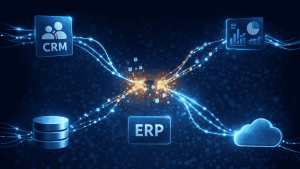
For instance, customer purchase data may reside in an ERP system while customer interaction data exists within a CRM platform. Without integration, teams cannot combine these datasets to gain a complete view of the customer journey.
Data silos create several operational risks, including fragmented insights, duplicate data across systems, and delays in reporting and analysis. As organizations adopt more applications and cloud platforms, the number of disconnected data sources often grows, compounding these challenges.
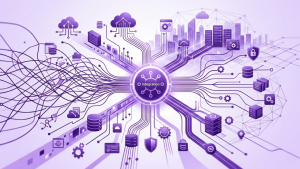
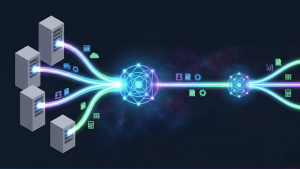
Enterprise data integration solves this problem by establishing structured pathways that allow information to move seamlessly between systems, enabling a unified, accurate, and actionable view of enterprise data.
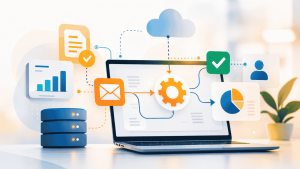
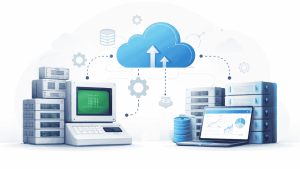
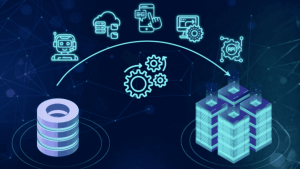
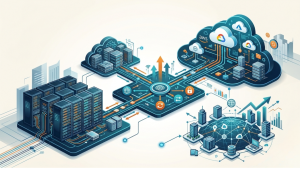
Enterprise data integration involves connecting multiple data sources so that information can be accessed, processed, and shared across applications. This process typically includes three key components:
Information is collected from various enterprise systems such as ERP platforms, CRM applications, databases, and cloud services.
Data from different systems is often stored in different formats. Transformation processes standardize this information so that it can be used consistently across platforms without conflicts or errors.
Once the data is prepared, it is transferred to a centralized repository such as a data warehouse, analytics platform, or integrated data environment where it becomes accessible for analysis and reporting.
Through these processes, organizations create unified data environments where information from multiple sources becomes accessible for reporting, analytics, and operational workflows.
Organizations that implement effective data integration strategies gain several strategic advantages:
Integrated data environments allow leadership teams to access comprehensive insights that combine information from multiple systems, giving them a single, trusted view of the business.
Real-time data access enables organizations to respond more quickly to operational changes and market opportunities without waiting for manual reports to be compiled.
By synchronizing data across platforms, organizations reduce inconsistencies and eliminate duplicate records that lead to unreliable reporting.
Integrated data flows reduce manual processes, allowing teams to focus on analysis and strategic initiatives rather than managing fragmented data sources.
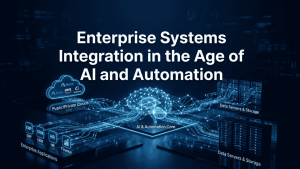
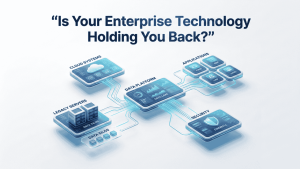
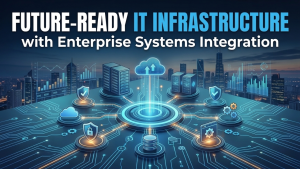
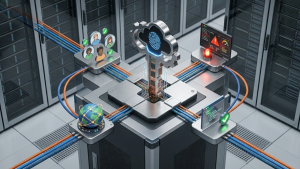
Today’s enterprise IT environments are increasingly complex. Organizations rely on a mix of on-premise infrastructure, cloud applications, analytics platforms, and legacy systems. Enterprise data integration plays a central role in connecting these diverse environments.
Modern data integration strategies leverage technologies such as:
These technologies allow organizations to build scalable data environments capable of supporting advanced analytics, artificial intelligence, and long-term digital transformation initiatives.
Implementing enterprise data integration requires both technical expertise and a strategic understanding of enterprise IT architecture.
At Team Computers, data integration initiatives begin with a detailed assessment of the organization’s data landscape. This includes identifying fragmented data sources, analyzing existing data workflows, and mapping integration requirements across systems. Based on this analysis, the team designs scalable integration frameworks that enable secure and reliable data exchange across enterprise platforms.
Team Computers supports organizations with:
By transforming fragmented data environments into connected data ecosystems, Team Computers helps organizations unlock the full value of their enterprise information.
As enterprises continue to generate and rely on large volumes of data, the ability to connect and integrate data platforms becomes increasingly important. Without integration, organizations face fragmented data environments that limit visibility and slow decision-making.
Enterprise data integration addresses this challenge by creating unified data ecosystems where information flows seamlessly across systems. Key benefits include:
Organizations that invest in data integration strategies position themselves to fully leverage their data assets and drive smarter, more informed business decisions.
Discover how Team Computers helps enterprises connect data platforms, applications, and infrastructure to build scalable, high-performance digital ecosystems.