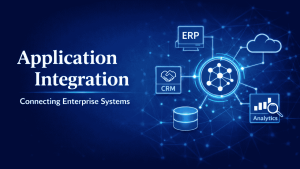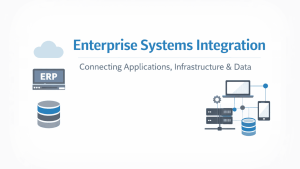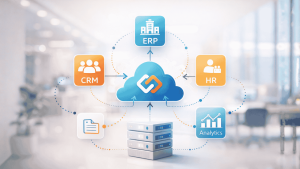

Most enterprises today rely on a complex mix of technology platforms. ERP systems manage financial operations, CRM platforms track customer interactions, analytics tools generate business insights, and cloud infrastructure supports modern digital workloads. Each of these systems plays a critical role in day-to-day operations.
However, the real value of enterprise technology emerges only when these systems work together seamlessly.
Without effective integration, organizations often face disconnected workflows, fragmented data, and operational inefficiencies that limit the value of their technology investments. This is why choosing the right enterprise systems integration partner becomes a strategic decision rather than a purely technical one.
The right partner does far more than connect applications. They help design scalable architectures, ensure reliable data exchange, and create technology environments where systems support business goals rather than complicate them.
Enterprise integration is rarely a simple technical task. Large organizations often operate dozens or even hundreds of applications across multiple departments, cloud platforms, and legacy environments.
When these systems evolve independently, integration becomes increasingly complex. Data must move securely between platforms, workflows must remain consistent, and the overall architecture must support future growth.
An experienced partner approaches integration strategically. Instead of creating temporary connections between systems, they design integration frameworks that support long-term scalability. They analyze the existing IT landscape, identify communication gaps between platforms, and develop integration strategies aligned with business objectives.
Without this structured approach, organizations often end up with fragile integrations that require constant maintenance and fail to scale as new technologies are introduced. Choosing the right partner ensures that integration becomes a foundation for innovation rather than a source of operational complexity.
One of the first qualities enterprises should evaluate in an integration partner is technical depth. Enterprise technology environments are rarely standardized. They typically include a mix of modern cloud applications, enterprise platforms, and legacy infrastructure, and integrating such environments requires expertise across multiple technologies and integration methods.
A capable enterprise systems integration partner understands how enterprise systems interact and how data flows across platforms. They evaluate APIs, infrastructure dependencies, data structures, and workflow requirements before implementing any integration solutions.
Rather than relying on quick fixes, experienced partners design integration mechanisms that remain stable even as systems evolve. Technology environments change constantly, and integration frameworks must be flexible enough to accommodate new applications, cloud services, and data platforms without disrupting operations.
Successful integration projects always begin with a well-defined architecture strategy. Connecting systems without a clear structure may solve short-term problems, but it often introduces long-term complexity.
A strong enterprise systems integration partner focuses on building a structured architecture that allows systems to communicate consistently and efficiently. This architecture typically relies on several foundational components:
By establishing these foundations, organizations create standardized communication pathways between systems. This reduces integration complexity and allows new technologies to be added without disrupting existing workflows. Enterprises that invest in structured integration architectures gain a major advantage: their technology ecosystems become easier to scale, maintain, and optimize over time.
Integration challenges become significantly more complex as organizations grow. Large enterprises often operate across multiple geographies, business units, and technology environments. As a result, integration projects rarely involve just two systems. They often require coordination across dozens of applications and infrastructure platforms.
An experienced integration partner brings valuable insights gained from working with large, complex IT ecosystems. They understand how enterprise systems behave in real-world operational environments and can anticipate challenges before they affect business operations.
When evaluating potential partners, organizations should consider:
Partners with proven enterprise experience are better equipped to design integration strategies that remain stable under real-world conditions.
Integration connects systems that often contain critical business data. Customer records, financial information, operational metrics, and proprietary data all flow through integrated platforms. Without proper governance, these connections can create significant security risks.
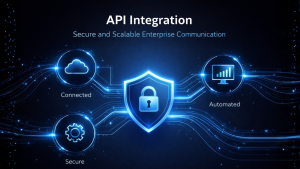
A reliable enterprise systems integration partner ensures that security is embedded within the integration architecture from the beginning. This includes implementing secure API management practices, controlling system access, and monitoring data flows between platforms.
Governance frameworks are equally important. As integration environments expand, organizations must maintain visibility into how systems interact and how data moves across the enterprise. Partners who prioritize security and governance help organizations build integration environments that remain both efficient and resilient.
Integration is not a one-time initiative. Enterprise technology environments evolve continuously as new platforms are adopted, legacy systems are modernized, and business requirements change.
The most valuable integration partners offer ongoing support beyond the initial implementation. Over time, integration frameworks may need adjustments to support new workflows, updated applications, or changes in infrastructure. Continuous monitoring and optimization ensure that integrations remain stable and efficient.
Organizations that work with long-term integration partners benefit from proactive improvements, performance optimization, and expert guidance as their technology ecosystems evolve. In many cases, this ongoing collaboration becomes essential for sustaining enterprise digital transformation initiatives.
Selecting the right enterprise systems integration partner is not only about technical capability. It’s about working with a partner who understands how technology supports business growth.
At Team Computers, enterprise integration projects begin with a comprehensive evaluation of the organization’s existing technology landscape. Instead of implementing isolated connections between applications, the focus is on designing scalable integration architectures that support long-term digital transformation.
Understanding the current IT environment, identifying disconnected systems, and mapping integration requirements across applications, infrastructure, and data platforms.
Designing scalable integration frameworks using APIs, middleware platforms, and hybrid cloud integration models to ensure systems communicate efficiently and securely.
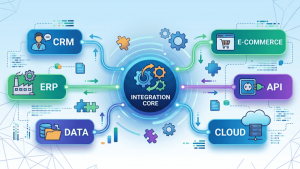
Connecting enterprise platforms such as ERP, CRM, analytics environments, and infrastructure systems through reliable and secure integration mechanisms.
Monitoring integration performance, optimizing data flows, and ensuring the integration architecture evolves as the organization adopts new technologies.
By combining deep technical expertise with a strategic approach to enterprise architecture, Team Computers helps organizations transform fragmented systems into connected, high-performing digital ecosystems.
“Many enterprises focus heavily on selecting the right software platforms, but the real value of technology comes from how effectively those systems work together. The right integration partner ensures that enterprise tools operate as a unified ecosystem rather than isolated solutions.”
— Head of IT Services, Team Computers
Choosing the right enterprise systems integration partner plays a crucial role in how effectively an organization’s technology ecosystem supports business growth. When systems remain disconnected, enterprises face operational inefficiencies, fragmented data environments, and limited visibility into business performance.
Organizations evaluating integration partners should prioritize:
Enterprises that approach integration strategically transform fragmented systems into connected technology environments capable of supporting innovation, agility, and long-term growth.
Discover how Team Computers helps enterprises design and implement scalable integration solutions that connect applications, infrastructure, and data platforms seamlessly.