Modern enterprises rely on a wide range of digital technologies to manage operations, deliver customer experiences, and support business growth. From ERP systems and customer relationship management platforms to cloud infrastructure and data analytics tools, organizations deploy multiple technologies across different departments.
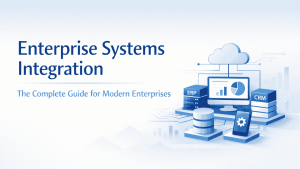
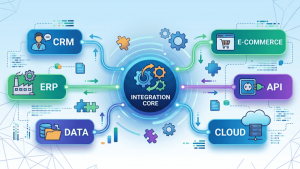
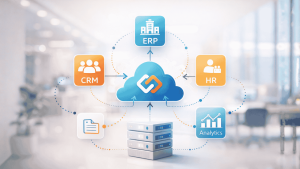
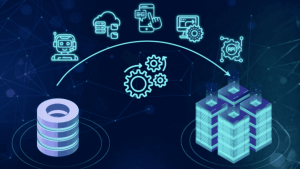
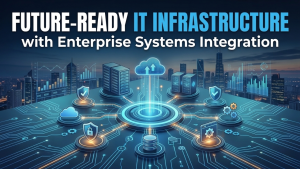
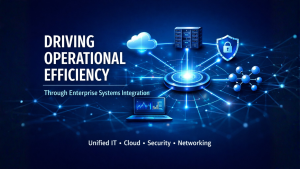
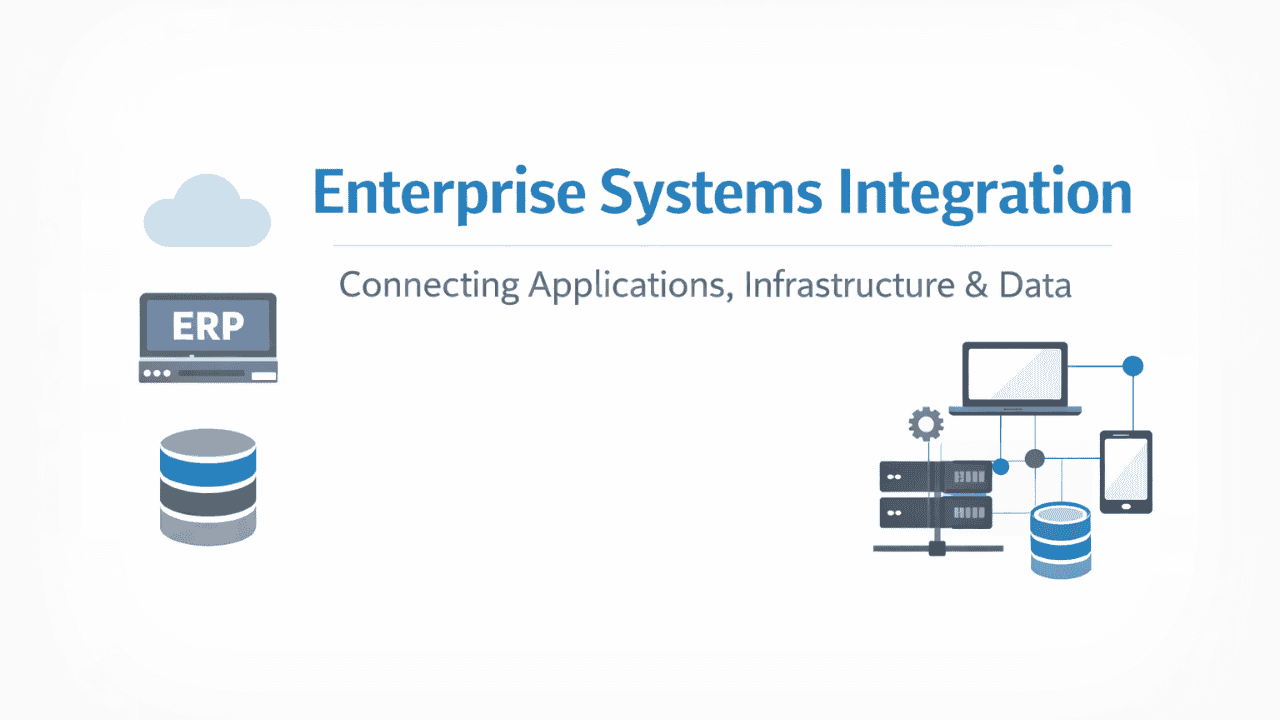
However, when these systems operate independently, enterprises often face fragmented workflows, inconsistent data environments, and operational inefficiencies. To overcome these challenges, organizations increasingly rely on enterprise systems integration services that connect applications, infrastructure, and data into a unified technology ecosystem.
Selecting the right integration services is a crucial decision for businesses undergoing digital transformation. The right integration partner helps organizations streamline operations, improve visibility across systems, and build scalable IT environments capable of supporting future growth.
Understanding what to look for in enterprise systems integration services enables organizations to choose a partner that delivers long-term strategic value rather than temporary technical fixes.
One of the most important factors enterprises should evaluate when selecting systems integration services is the provider’s expertise across diverse enterprise technology environments.
Modern IT infrastructures are rarely simple. Most organizations operate across a combination of on-premise systems, cloud platforms, enterprise applications, and analytics environments. Successfully integrating these technologies requires deep knowledge of enterprise architecture, networking, application integration, and infrastructure management.
A capable systems integration provider understands how these technology components interact within complex enterprise ecosystems. This expertise enables them to design integration frameworks that allow systems to communicate efficiently while maintaining performance, security, and reliability.
Organizations benefit most from integration partners that combine strong technical capabilities with a strategic understanding of enterprise IT environments.
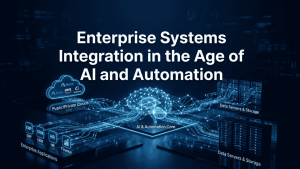
Cloud adoption has transformed enterprise technology environments. Many organizations now operate across hybrid infrastructures that combine on-premise systems with public and private cloud platforms.
While cloud technologies offer flexibility and scalability, they also introduce new integration challenges. Applications and data must move securely across different environments without disrupting operations.
Effective systems integration services must therefore support hybrid and multi-cloud connectivity.
Integration partners should be able to design architectures that connect applications across cloud platforms, enable secure data exchange between systems, and maintain consistent performance across distributed IT environments.
Enterprises planning cloud transformation initiatives should prioritize integration providers that have proven experience managing connectivity across hybrid and multi-cloud infrastructures.
Enterprise integration initiatives involve connecting business-critical systems that manage sensitive data. Without proper security controls, integration frameworks may introduce vulnerabilities that expose organizations to cyber risks.
Security must therefore be a central component of enterprise systems integration strategies.
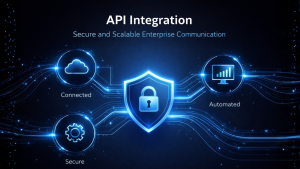
Integration providers should implement secure APIs, encrypted communication protocols, and robust access control mechanisms to ensure that data remains protected as it moves between systems. They must also ensure that integration architectures comply with industry regulations and internal governance policies.
By prioritizing security within integration frameworks, enterprises can maintain data integrity while protecting mission-critical operations.
Enterprise technology environments are constantly evolving. As organizations expand operations, adopt new applications, and introduce advanced digital capabilities, their IT infrastructure must adapt accordingly.
Systems integration solutions should therefore be designed with scalability in mind.
A scalable integration architecture allows organizations to introduce new technologies, connect additional applications, and expand digital services without disrupting existing systems.
Such architectures typically rely on standardized APIs, modular integration layers, and centralized monitoring platforms that simplify the management of connected technologies.
Organizations should seek systems integration services that focus not only on solving current connectivity challenges but also on building integration frameworks capable of supporting long-term growth.
Successful enterprise integration projects require more than technical expertise. They require a strategic approach that aligns technology environments with long-term business goals.
Team Computers helps enterprises design and implement structured systems integration frameworks that connect applications, infrastructure, and data environments seamlessly.
By leveraging deep expertise in enterprise IT environments, cloud infrastructure, and digital transformation initiatives, Team Computers enables organizations to eliminate technology silos and build connected IT ecosystems.
Through its enterprise systems integration services, Team Computers helps businesses streamline operations, improve system visibility, and create scalable technology environments capable of supporting future innovation.
Expert Insight
“Successful enterprise systems integration requires more than connecting technologies. It requires designing architectures that remain scalable, secure, and adaptable as business needs evolve.”
– Enterprise Integration Specialist
As enterprises continue to adopt new technologies, maintaining a connected and efficient IT ecosystem becomes increasingly important. Disconnected systems can create inefficiencies, reduce visibility, and increase operational complexity across organizations.
Choosing the right enterprise systems integration services is therefore a critical step for organizations looking to build scalable and future-ready technology environments.
Enterprises should prioritize integration partners that offer deep technical expertise, strong security capabilities, and scalable architecture frameworks capable of supporting evolving business needs.
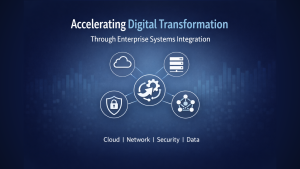
When implemented effectively, systems integration enables organizations to streamline workflows, improve data visibility, and accelerate digital transformation initiatives.
Looking to simplify enterprise technology integration?
Discover how Team Computers helps organizations implement enterprise systems integration services that connect applications, infrastructure, and data into a unified and scalable IT ecosystem.
Start building a connected enterprise technology environment today.