Enterprise IT environments rarely remain simple. As organizations adopt new technologies, expand operations, and digitize processes, their IT ecosystems become increasingly complex. Multiple applications, cloud platforms, security tools, and infrastructure systems must work together to support business operations. Without effective enterprise systems integration services, these technologies often operate in isolation, creating inefficiencies across the organization.
Disconnected systems can slow down business processes, create data inconsistencies, and make IT management more complicated. Teams spend valuable time manually transferring information between systems, troubleshooting compatibility issues, and managing fragmented infrastructure environments. Over time, these inefficiencies can impact productivity, decision-making, and overall business agility.
This is where enterprise systems integration services become essential. By connecting infrastructure, applications, and data into a unified environment, organizations can create seamless workflows, improve operational visibility, and scale technology more efficiently. In this blog, we explore the challenges enterprises face without integration and how Team Computers helps organizations build connected, future-ready IT ecosystems through strategic systems integration.
Modern enterprises rely on a wide range of digital platforms to run their operations. From ERP and CRM systems to cloud infrastructure and cybersecurity tools, each technology plays a critical role in supporting business functions. However, when these systems are not properly integrated, organizations often face operational inefficiencies.
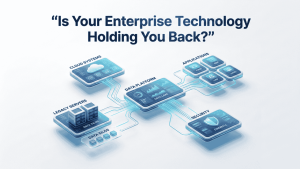
Fragmented IT environments can create several challenges for enterprises. Data becomes scattered across multiple platforms, making it difficult for leadership teams to gain a unified view of business performance. IT teams must manage multiple tools and systems independently, increasing administrative complexity. At the same time, security monitoring becomes more difficult when different systems operate in silos.
Many organizations also experience delays in decision-making because information must be manually consolidated from various systems. This not only slows operations but also increases the risk of errors and inconsistencies.
Enterprises often attempt to solve these challenges by adding more technology, but without integration, additional tools can actually increase complexity. A structured integration approach ensures that all components of the IT environment work together efficiently rather than operating as isolated systems.
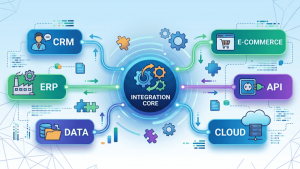
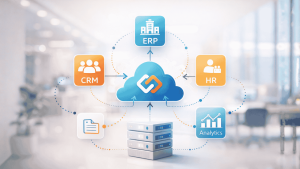
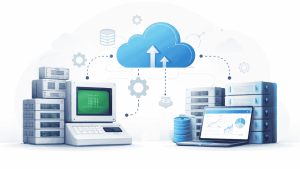
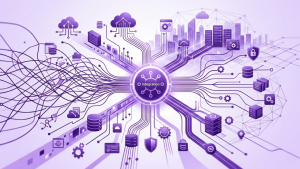
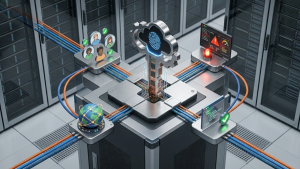
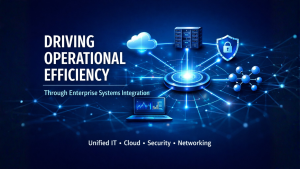
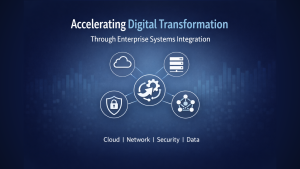
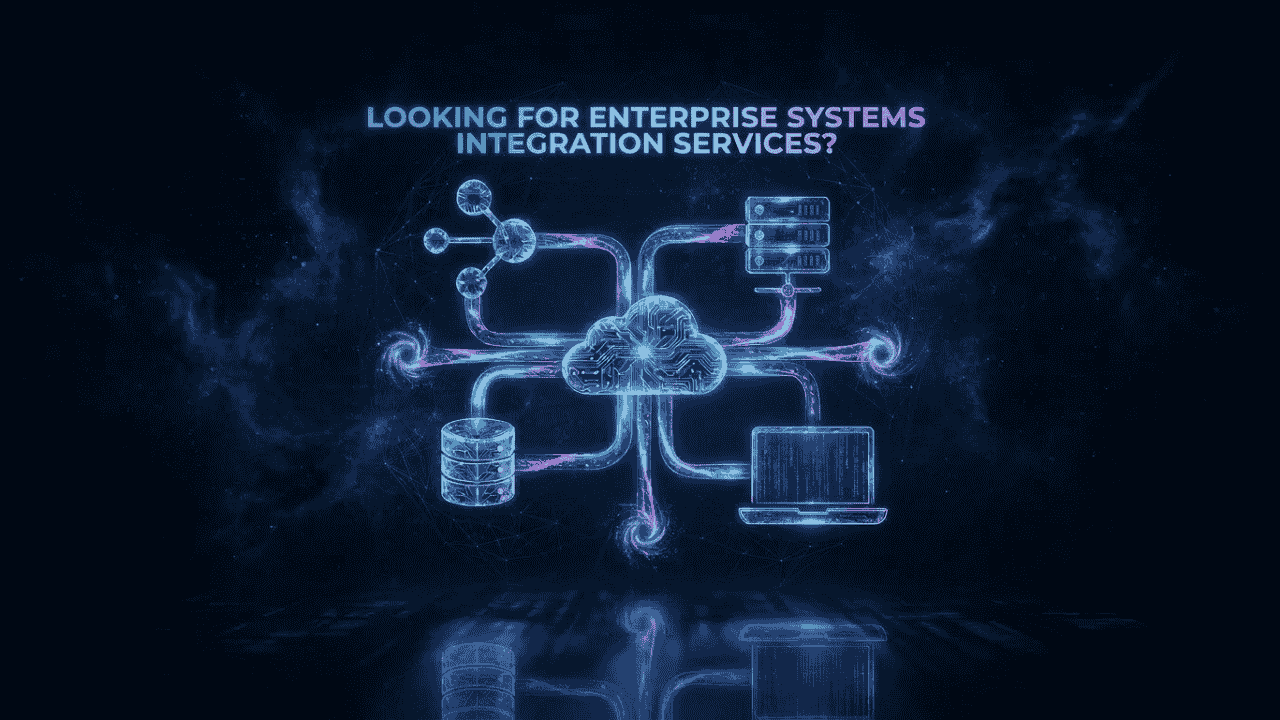
Effective enterprise systems integration services create a connected technology ecosystem where infrastructure, applications, and data can interact seamlessly. Instead of managing multiple disconnected systems, organizations benefit from a unified operational framework that improves collaboration and efficiency.
Integration enables automated data exchange between platforms, reducing the need for manual intervention. For example, when customer data flows automatically between CRM systems, analytics platforms, and operational tools, teams gain real-time insights that support faster decision-making.
Integrated IT environments also improve enterprise agility. As businesses introduce new applications or expand into new markets, integrated infrastructure allows new technologies to connect smoothly with existing systems. This flexibility supports innovation without disrupting operations.
Security and compliance also benefit from integrated environments. Centralized monitoring systems can detect anomalies across the entire IT ecosystem, improving threat detection and response capabilities.
Ultimately, enterprise systems integration allows organizations to move from fragmented technology environments to streamlined digital ecosystems that support long-term growth.
Delivering successful integration requires more than simply connecting systems. It involves understanding how enterprise technology environments function, identifying inefficiencies, and designing architectures that support long-term business objectives.
With decades of experience in enterprise IT transformation, Team Computers helps organizations implement structured integration strategies that align infrastructure, applications, and data.
The approach typically begins with a comprehensive assessment of the organization’s existing technology environment. This includes evaluating infrastructure, applications, networking systems, and security frameworks to identify integration opportunities.
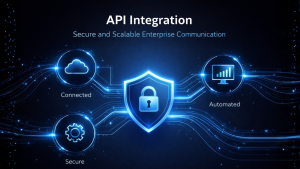
Once the current environment is understood, integration architects design a framework that enables seamless communication between systems while maintaining performance, security, and scalability. Implementation focuses on creating automated workflows, unified monitoring systems, and centralized management capabilities.
Throughout the process, the goal is not simply to connect technologies but to create a cohesive IT ecosystem that supports business operations more efficiently.
Organizations that implement structured integration strategies often experience measurable improvements in operational efficiency and IT performance. Integration enables enterprises to optimize their technology environments while reducing complexity.
Some of the most significant benefits include:
These benefits allow organizations to focus less on managing technology challenges and more on driving innovation and business growth.
Integrated environments also improve collaboration across departments. When systems share data seamlessly, teams across finance, operations, marketing, and customer support can work with consistent information, improving organizational alignment.
As enterprise IT environments grow more complex, the need for reliable enterprise systems integration services becomes increasingly important. Organizations that operate with fragmented technology environments often face operational inefficiencies, limited data visibility, and increased IT management challenges.
By implementing structured integration strategies, businesses can transform disconnected systems into unified digital ecosystems that support productivity, scalability, and innovation.
Key takeaways include:
For organizations seeking to modernize their technology environments, enterprise systems integration services provide the foundation for more efficient and scalable IT operations.
If your organization is navigating complex IT environments and looking for a reliable integration partner, Team Computers can help. Discover how our enterprise systems integration services connect infrastructure, applications, and data to create seamless digital ecosystems that support business growth. Connect with our experts to explore how integration can simplify and strengthen your IT environment.