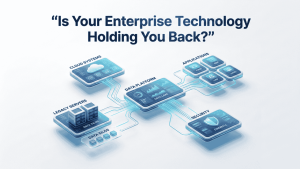
Enterprise IT environments have become significantly more complex over the past decade. Organizations now operate across hybrid cloud infrastructures, SaaS platforms, on-premise applications, and distributed data environments. While these technologies support innovation and digital transformation, they also introduce a major challenge – ensuring that all systems communicate effectively with one another.
Traditional integration models were often designed for smaller, centralized environments. As enterprises adopt cloud services and digital platforms at scale, these conventional approaches struggle to keep up with the speed and flexibility modern businesses require.
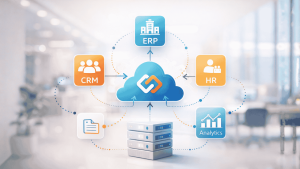
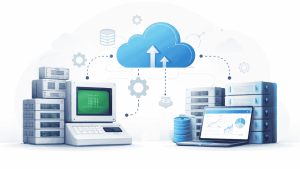
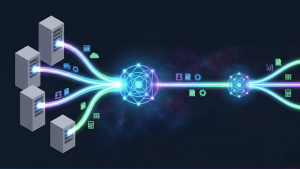
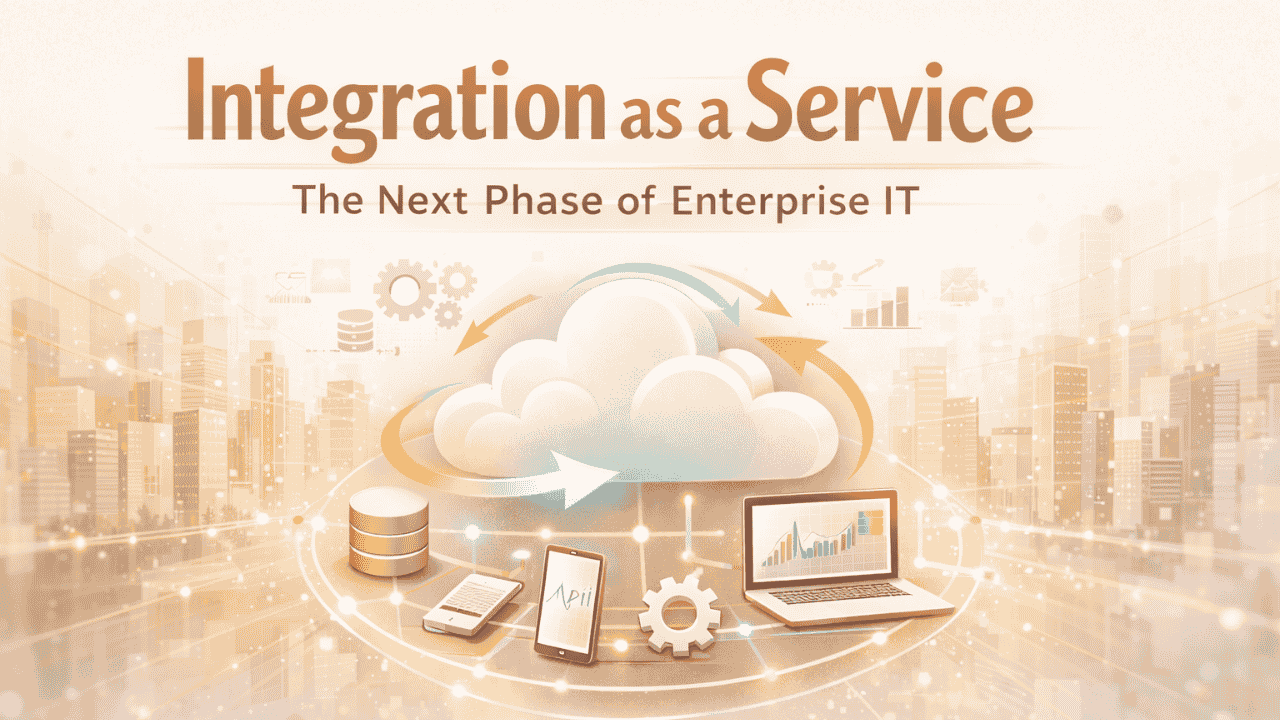
This shift has led to the rise of Integration as a Service (iPaaS) – a cloud-based approach that allows organizations to connect applications, data sources, and infrastructure through centralized integration platforms.
Integration as a Service represents the next phase of enterprise IT because it enables organizations to build scalable, flexible, and connected technology ecosystems. Instead of managing complex point-to-point integrations, enterprises can streamline connectivity across systems while supporting rapid innovation and business growth.
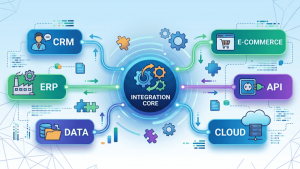
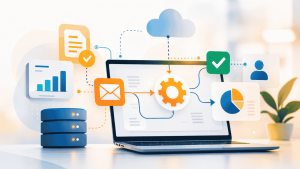
Integration as a Service is a cloud-based model that provides tools and frameworks for connecting applications, data sources, and IT systems across distributed environments. Rather than building and maintaining custom integrations for every application, organizations can use a centralized integration platform to manage data flows and system connectivity.
In traditional enterprise environments, integration often relied on custom code or tightly coupled middleware solutions. While these approaches worked in relatively stable IT environments, they became difficult to manage as organizations adopted multiple cloud platforms and SaaS applications.
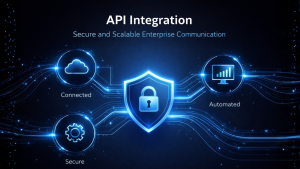
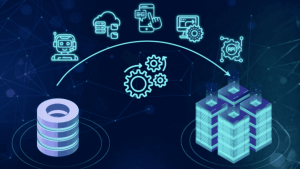
Integration as a Service addresses this challenge by providing scalable integration capabilities delivered through the cloud. These platforms allow IT teams to design, deploy, and monitor integrations using standardized connectors, APIs, and automation workflows.
Key capabilities of Integration as a Service typically include:
By simplifying how systems connect and exchange data, iPaaS platforms enable enterprises to manage complex IT ecosystems more efficiently.
The growing adoption of cloud technologies has transformed the way enterprises build and operate their IT environments. Organizations no longer rely on a single centralized infrastructure. Instead, they operate across multiple platforms, applications, and data environments.
This distributed architecture creates new integration challenges. Connecting systems across cloud platforms, on-premise environments, and third-party applications requires a flexible and scalable integration approach.
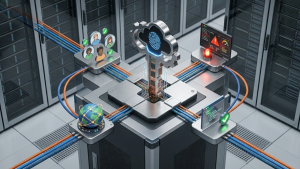
Integration as a Service addresses these challenges by enabling organizations to manage connectivity through a unified platform. Rather than developing custom integrations for every system, enterprises can establish standardized integration frameworks that simplify IT operations.
Several factors are driving enterprise adoption of iPaaS solutions. These include:
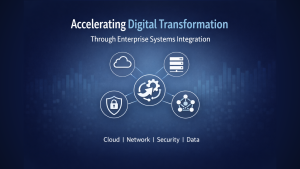
By adopting Integration as a Service, organizations can accelerate digital transformation initiatives while maintaining a connected and manageable IT ecosystem.
One of the most significant benefits of Integration as a Service is its ability to improve enterprise agility. Modern businesses must adapt quickly to changing market conditions, evolving customer expectations, and new digital opportunities.
Traditional integration models often slow innovation because new systems require lengthy development cycles to establish connectivity with existing platforms. In contrast, iPaaS platforms enable organizations to deploy integrations more quickly using standardized connectors and reusable workflows.
This flexibility allows enterprises to introduce new applications or digital services without disrupting existing operations.
Integrated cloud platforms also support real-time data sharing, enabling organizations to make faster, data-driven decisions. Business leaders gain immediate visibility into operational performance, customer interactions, and financial metrics across the enterprise.
Ultimately, Integration as a Service empowers organizations to innovate faster while maintaining a stable and connected technology environment.
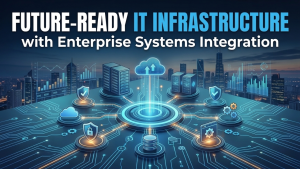
As enterprise IT ecosystems continue to expand, organizations need structured integration strategies that align with both current infrastructure and future digital initiatives.
Team Computers helps enterprises design and implement modern integration frameworks that connect applications, infrastructure, and data environments seamlessly.
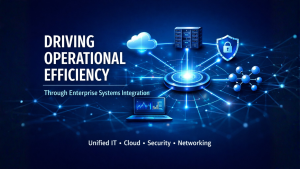
By leveraging deep expertise in enterprise systems integration, cloud infrastructure, and digital transformation, Team Computers helps organizations adopt integration models that support scalability, security, and operational efficiency.
Through strategic consulting and implementation services, the company enables enterprises to build connected technology environments that reduce complexity while supporting innovation and long-term growth.
With the right integration strategy in place, organizations can move beyond fragmented systems and create agile IT ecosystems that support evolving business needs.
Enterprise IT environments are evolving rapidly as organizations adopt cloud technologies, digital platforms, and advanced analytics capabilities. While these innovations bring significant opportunities, they also increase the complexity of managing enterprise technology ecosystems.
Integration as a Service provides a modern solution to this challenge by enabling organizations to connect applications, data, and infrastructure through scalable cloud-based platforms.
Enterprises that adopt iPaaS frameworks gain several key advantages:
As digital transformation continues to accelerate, Integration as a Service is becoming an essential component of modern enterprise IT strategies.
Looking to build a more connected and agile enterprise IT environment?
Explore how Team Computers helps organizations implement modern systems integration and cloud connectivity strategies that support scalable, future-ready IT ecosystems.