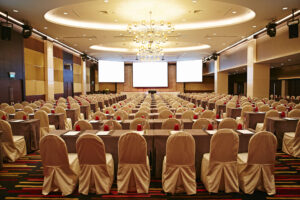
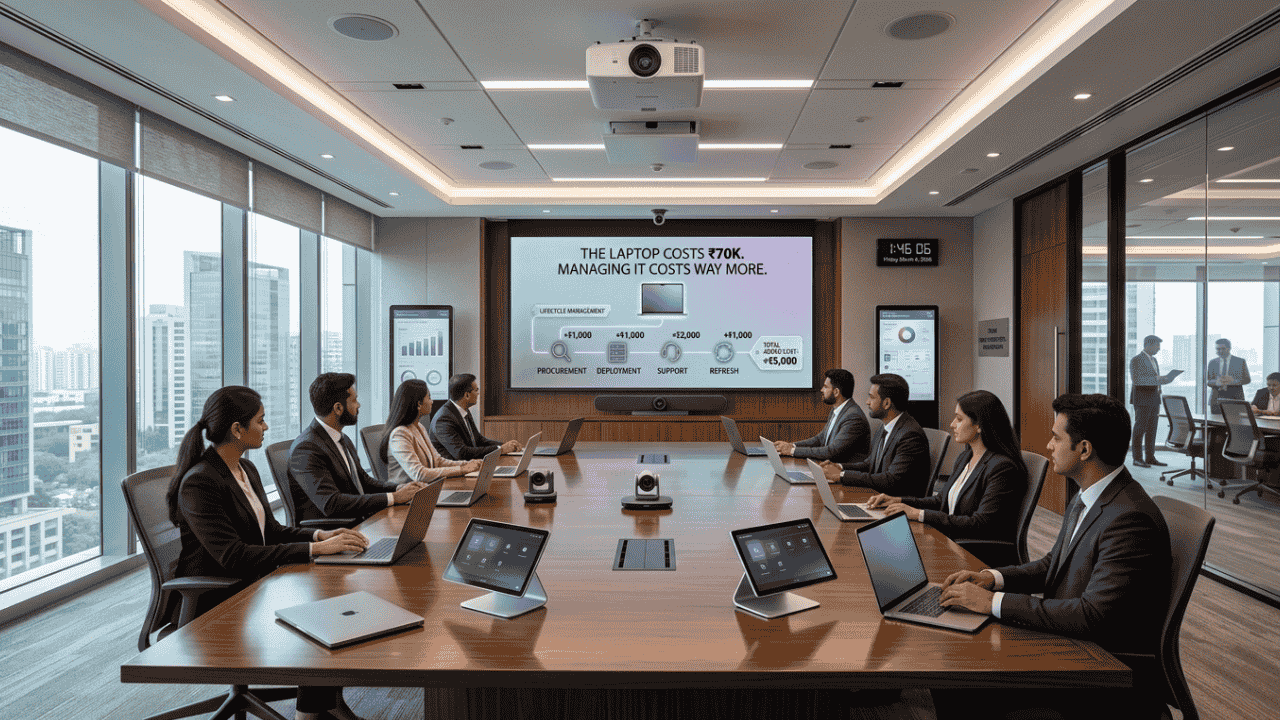
In most enterprises today, the boardroom is more than just a meeting room. It is where leadership teams review performance, discuss strategy, and take decisions that impact the entire organization.
However, the way meetings happen has changed. Teams are distributed across multiple offices, senior leaders often join remotely, and discussions rely Audio Visual Solutions on presentations, dashboards, and real-time collaboration tools.
Because of this shift, organizations are moving towards a modern boardroom setup that combines reliable technology, seamless connectivity, and simple user experiences.
For IT heads and procurement leaders managing large office environments, the objective is clear: create meeting spaces that work every single time without technical friction.
Traditional boardrooms were designed for in-person meetings. A projector, a conference phone, and a large table were often enough.
But today’s enterprise environment is very different.
Leadership teams regularly connect with stakeholders across locations. CXOs may join meetings from another city or country. Teams need to present dashboards, collaborate on documents, and conduct video meetings with external partners.
A modern boardroom setup ensures that these meetings happen smoothly without wasting time on device compatibility, audio issues, or complicated room controls.
For organizations with multiple offices across Tier 1 cities, consistency becomes even more important. Every boardroom should offer the same experience so users don’t audio Visual Solutions to relearn the technology each time they walk into a meeting room.
A well-designed boardroom focuses on reliability, simplicity, and performance. The goal is to ensure that meetings start on time and run without interruptions.
Several technology components play a key role in making this possible.
Video meetings audio Visual Solutions become standard in leadership discussions. Whether it is a strategy review or a vendor discussion, remote participants are almost always part of the meeting.
Modern boardrooms are equipped with intelligent cameras that capture the entire room clearly. Features such as auto-framing and speaker tracking ensure that remote participants can see who is speaking without constant manual adjustments.
This creates a more natural meeting experience and improves engagement for remote attendees.
Audio quality can make or break a meeting. Poor sound leads to repeated questions, interruptions, and meeting fatigue.
A modern boardroom setup uses professional microphone arrays and speaker systems that capture voices evenly across the room. Technologies like noise suppression and echo cancellation ensure that remote participants hear conversations clearly.
For larger boardrooms, distributed microphones help maintain consistent audio coverage across the table.
Leadership meetings often involve financial reports, dashboards, presentations, and analytics. These require clear and large visual displays.
Modern boardrooms typically use large 4K displays or LED screens that make content visible from anywhere in the room. Some environments also include dual displays, allowing teams to view both the presentation and remote participants simultaneously.
This improves collaboration and keeps discussions more focused.
One of the most common frustrations in meeting rooms is connecting laptops to displays.
A modern boardroom eliminates this problem with wireless presentation systems. Users can share content directly from their laptops or mobile devices without using cables or adapters.
This reduces setup time and ensures meetings start immediately.
Hybrid meetings are now the norm across enterprises. Some participants sit in the boardroom while others join remotely from different offices.
A modern boardroom setup ensures that both groups audio Visual Solutions an equal meeting experience.
Strategic camera placement ensures the entire room is visible. High-quality microphones ensure remote participants hear every discussion clearly. Integration with collaboration platforms like Microsoft Teams or Zoom allows meetings to start quickly without complicated setup.
For IT teams managing multiple offices, standardizing these systems across boardrooms helps maintain a consistent meeting experience across locations.
From an IT management perspective, simplicity is critical. Meeting room technology should not require technical support every time someone uses it.
Modern boardrooms often include centralized control systems. With a single touch panel, users can:
This simple interface reduces dependency on IT support and allows executives to focus on the meeting instead of the technology.
Boardroom discussions often involve sensitive business information such as financial data, client discussions, or internal strategies.
A reliable modern boardroom setup must therefore support enterprise-grade security. This includes secure network connectivity, encrypted video meetings, and controlled access to wireless presentation systems.
IT teams also look for solutions that integrate easily with their existing collaboration platforms and device management frameworks. This ensures smooth deployment and easier long-term management.
Investing in modern boardroom infrastructure offers several operational benefits for enterprise IT teams.
First, it reduces meeting downtime caused by technical issues. Reliable systems mean fewer complaints from leadership teams.
Second, it standardizes meeting room technology across locations. This simplifies training, maintenance, and support.
Third, it improves collaboration across distributed teams. Leaders can connect with stakeholders across offices without worrying about technical barriers.
For organizations with multiple offices and large employee bases, these improvements audio Visual Solutions a direct impact on productivity and operational efficiency.
Boardrooms remain one of the most important spaces in any organization. They are where leaders align on strategy, review business performance, and make critical decisions.
A well-designed modern boardroom setup ensures that these meetings happen efficiently, whether participants are sitting in the room or joining remotely. By combining reliable video conferencing, high-quality audio systems, large displays, and simple control interfaces, organizations can create boardrooms that truly support modern enterprise collaboration.
For IT heads and procurement leaders managing multiple offices, investing in the right boardroom technology is not just about upgrading meeting rooms. It is about enabling leadership teams to collaborate, communicate, and make decisions without disruption.