Cyber threats have become more sophisticated, persistent, and damaging than ever before. Enterprises today operate across complex digital ecosystems that include on-premise infrastructure, cloud platforms, remote work environments, and numerous third-party applications. While these technologies drive innovation and productivity, they also expand the attack surface that cybercriminals can exploit.
Many organizations deploy multiple security solutions to protect their environments. However, when these tools operate independently without proper coordination, visibility gaps emerge. Security teams struggle to detect threats quickly, investigate incidents efficiently, and respond with confidence. This is where systems integration improves enterprise cybersecurity in a meaningful way.
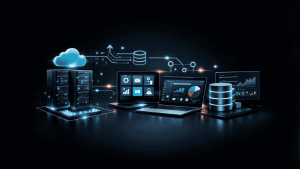
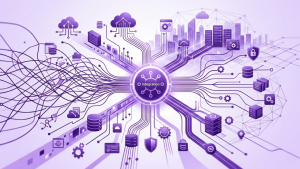
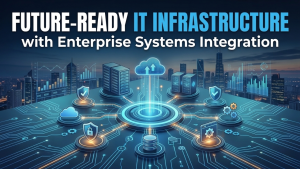
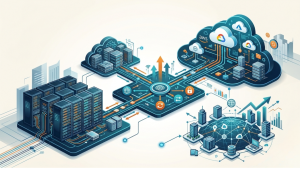
Systems integration aligns infrastructure, networking, cloud environments, and cybersecurity technologies into a unified architecture. By connecting security tools and creating centralized monitoring frameworks, enterprises gain stronger visibility, faster response capabilities, and improved control over their IT ecosystems.
In this blog, we will explore why cybersecurity challenges are increasing in modern enterprises, how fragmented security architectures create risk, and how systems integration helps organizations build a resilient and proactive security posture.
Enterprise IT environments have evolved dramatically in recent years. Businesses now rely on hybrid infrastructure, distributed networks, cloud-based applications, and remote workforces to operate efficiently. While these changes accelerate digital growth, they also introduce new cybersecurity complexities.
Traditional security models were designed for centralized infrastructure where most systems operated within a controlled network perimeter. Today, enterprise environments are far more distributed, making it harder to maintain consistent protection across all assets.
Several factors contribute to this growing challenge:
Without proper alignment, security teams often rely on fragmented monitoring tools that generate large volumes of alerts without meaningful context. According to cybersecurity research, organizations handle thousands of alerts daily, yet a significant percentage remain uninvestigated due to limited visibility and resource constraints.
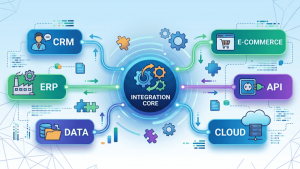
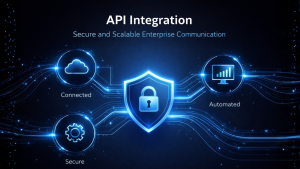
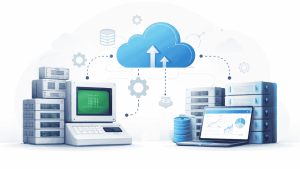
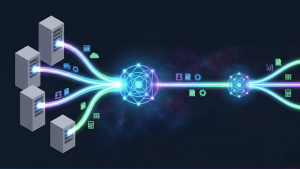
Systems integration addresses these issues by connecting infrastructure, applications, and security technologies into a coordinated framework where information flows seamlessly across systems.
Many enterprises invest heavily in cybersecurity technologies but still experience security incidents. The issue is rarely the absence of tools; it is the lack of integration between them.
When cybersecurity platforms operate in isolation, organizations encounter several operational challenges. Security events generated by firewalls, endpoint protection systems, identity platforms, and cloud environments remain scattered across different dashboards. This fragmentation slows down threat detection and increases the likelihood of overlooked vulnerabilities.
Fragmented security architectures create significant vulnerabilities for enterprises. When monitoring systems are disconnected, threat detection is often delayed, leaving organizations exposed to potential attacks. Incident response becomes inefficient as security teams struggle to coordinate actions across multiple platforms.
Policy enforcement can be inconsistent across different parts of the infrastructure, making compliance difficult to maintain. Additionally, correlating security events across diverse environments becomes a complex and time-consuming task, increasing operational overhead for IT and security teams.
For example, a suspicious login event detected by an identity management system may not automatically correlate with abnormal network activity identified by a firewall. Without integration, security teams must manually investigate these signals, wasting valuable time during a potential attack.
As enterprises scale their digital operations, this lack of coordination becomes even more problematic. Systems integration solves this challenge by creating a unified ecosystem where security technologies communicate, share insights, and support coordinated defense mechanisms.
When organizations adopt integrated IT architectures, cybersecurity becomes more proactive and intelligent. Systems integration improves enterprise cybersecurity by aligning security frameworks with infrastructure, networking, cloud platforms, and identity systems.
Rather than relying on disconnected tools, integrated environments enable centralized visibility and automated coordination between security controls.
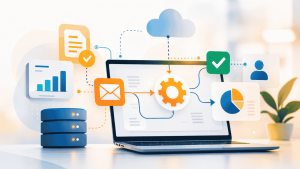
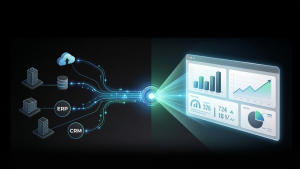
Systems integration enables security teams to monitor events across the entire IT environment from a unified dashboard. Logs from servers, endpoints, cloud platforms, and network devices feed into centralized security platforms, enabling faster threat detection.
Integrated systems allow security tools to share intelligence and correlate alerts across different environments. This reduces false positives and helps security teams focus on genuine threats.
Systems integration ensures that security policies remain consistent across infrastructure layers. Whether workloads run on-premise or in the cloud, policies governing identity access, network segmentation, and endpoint protection remain aligned.
When systems are integrated, automated workflows can trigger containment actions immediately. For example, suspicious endpoint behavior can automatically isolate devices from the network before threats spread further.
Together, these capabilities allow enterprises to shift from reactive security to proactive threat management.
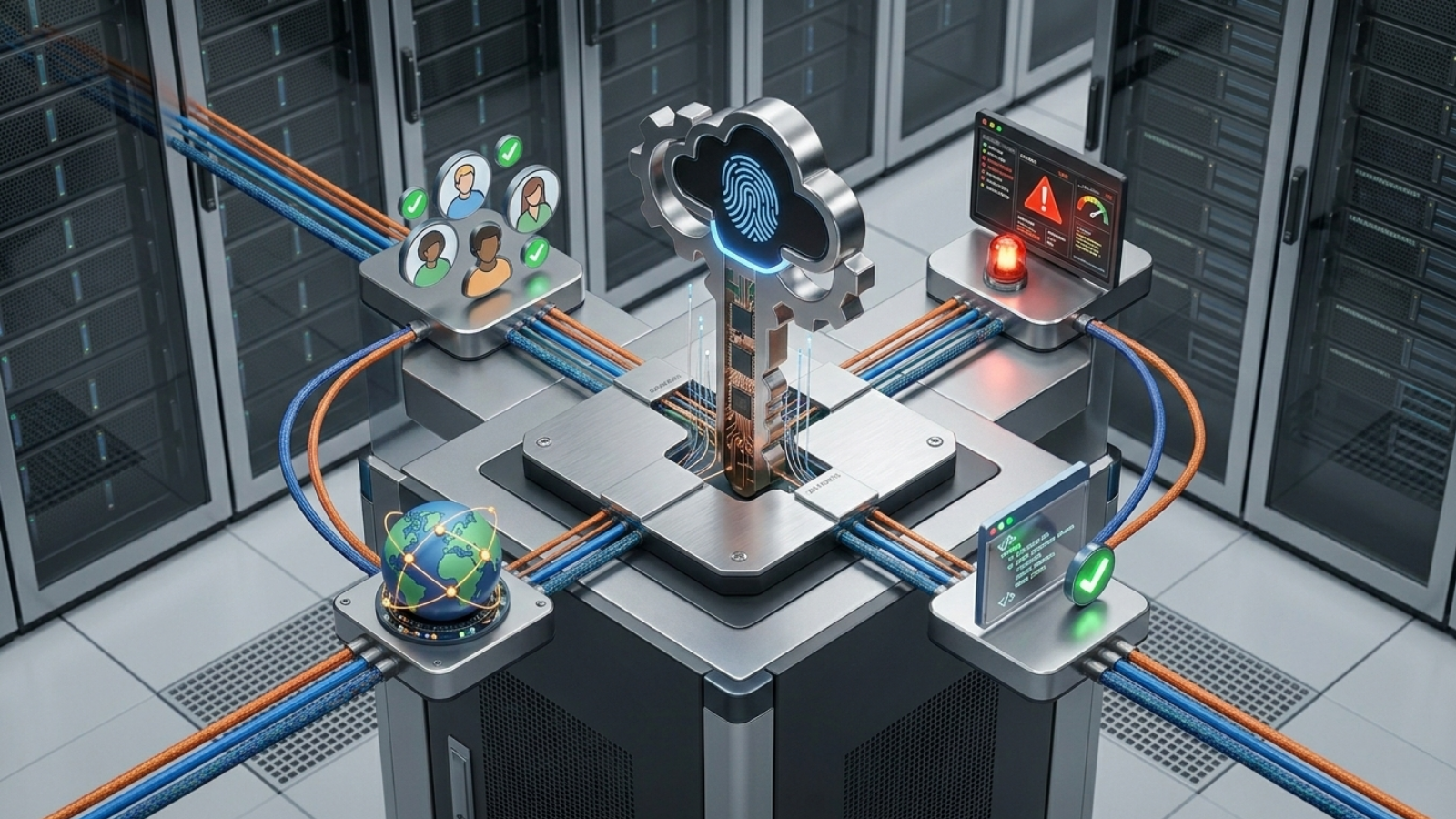
Cybersecurity is no longer limited to firewalls and antivirus software; effective protection requires coordination across multiple domains, including identity management, network security, endpoint protection, cloud security, and data protection. Systems integration enables enterprises to design security architectures where these domains operate together seamlessly.
An integrated security approach typically includes identity and access management unified across applications, network segmentation aligned with security policies, endpoint detection connected to centralized monitoring systems, cloud security integrated with enterprise governance frameworks, and continuous monitoring with automated incident response. By embedding security directly into the IT ecosystem, organizations can detect threats earlier and respond more accurately.
At Team Computers, enterprise systems integration focuses on creating secure, resilient IT environments where cybersecurity is an integral part of the infrastructure architecture, rather than an afterthought.
Enterprises require more than technology tools to build strong cybersecurity frameworks. They need experienced integration partners who understand how infrastructure, networking, cloud platforms, and security solutions interact.
Team Computers brings nearly four decades of experience in designing enterprise IT environments where security and performance coexist seamlessly. Through structured systems integration services, organizations gain the ability to connect diverse technologies into unified operational ecosystems. The approach focuses on building integrated infrastructure and security architecture while enabling centralized monitoring and enhanced security visibility across systems.
It also ensures that cloud security is aligned with enterprise governance policies, allowing organizations to maintain compliance and control across hybrid environments. Additionally, identity-driven security models support distributed workforces by securing access across multiple platforms, while continuous optimization and lifecycle management help maintain performance, reliability, and long-term scalability of enterprise IT systems.
By integrating security technologies into a cohesive framework, enterprises gain better control over their digital environments while maintaining the agility required for modern business operations.
Cybersecurity challenges will continue to evolve as enterprises adopt new technologies, expand digital operations, and operate across distributed environments. Fragmented security architectures cannot keep pace with these changes. Organizations must adopt integrated approaches that unify their security ecosystems.
When implemented strategically, systems integration improves enterprise cybersecurity by creating environments where technologies communicate, policies remain consistent, and threats are detected faster.
Key takeaways include:
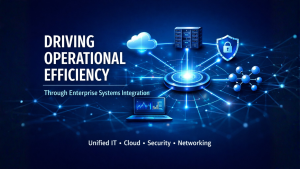
By aligning infrastructure, cloud platforms, networking, and security technologies, organizations can build resilient digital ecosystems capable of defending against modern cyber threats.
Discover how integrated IT environments can strengthen your organization’s cybersecurity strategy. Team Computers helps enterprises design secure, scalable infrastructures where systems integration enhances visibility, resilience, and protection.
Connect with our experts to explore how systems integration can improve your enterprise cybersecurity posture and prepare your IT environment for evolving digital threats.