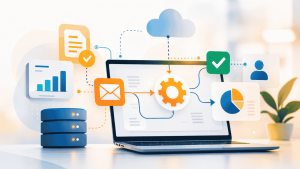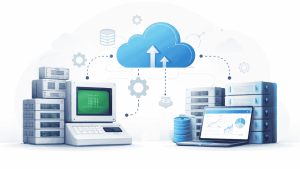
Many enterprises invest heavily in digital tools, ERP platforms, CRM systems, analytics dashboards, cybersecurity solutions, and cloud applications. Yet despite these investments, organizations often struggle to achieve the efficiency they originally expected.
The reason is simple: their systems don’t communicate with each other.
When enterprise systems are not integrated, critical business data becomes fragmented across departments. Workflows slow down, teams operate with incomplete information, and decision-makers struggle to gain a clear, unified view of the organization.
This problem rarely appears overnight. It begins with small inefficiencies: duplicate data entry, delayed reports, or inconsistent customer records. Over time, these minor issues compound and create serious operational challenges that affect the entire business.
Enterprise IT environments rarely evolve through a single, unified strategy. Instead, systems are typically introduced over time by different departments to address specific operational needs.
Sales teams adopt CRM platforms to manage customer relationships. Finance teams rely on ERP systems to track financial performance. Marketing teams deploy automation tools to run campaigns, while operations teams implement supply chain software to streamline logistics.
Each system delivers value individually. The problem emerges when these platforms operate independently without a shared enterprise systems integration framework.
Technology fragmentation usually develops gradually. Organizations adopt new tools to solve immediate business challenges, but long-term integration planning often receives less attention. Common contributing factors include:
When these conditions exist, systems begin to operate in isolation. Executives may assume that digital transformation initiatives are failing, when in reality the issue lies not in the tools themselves but in the lack of connectivity between them.
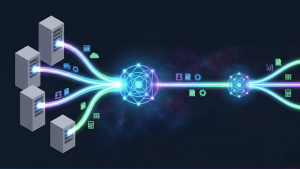
One of the most visible outcomes when enterprise systems are not integrated is the emergence of data silos. A data silo occurs when information exists within a particular system but cannot be easily accessed by other applications across the organization.
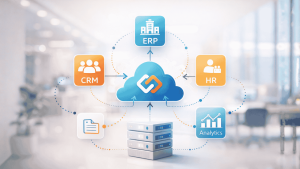
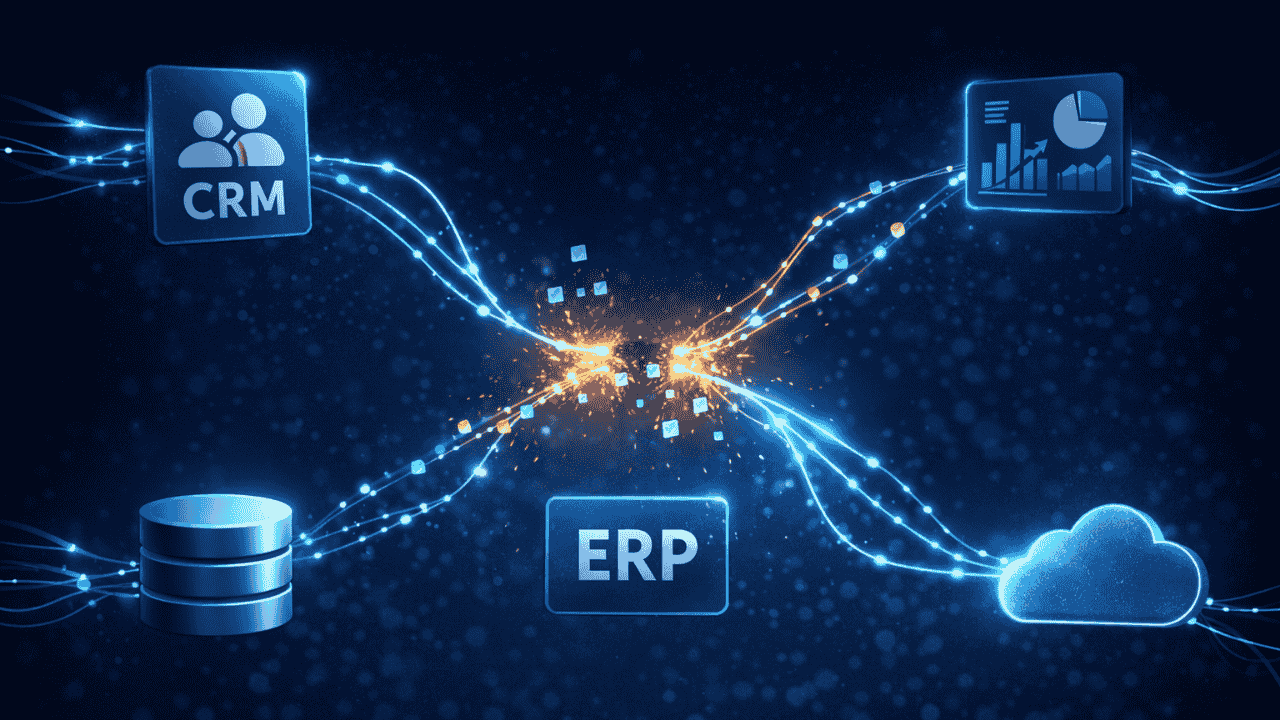
This fragmentation creates significant operational blind spots. For example, customer engagement data may exist within a CRM platform while billing information resides in the ERP system. If these systems do not communicate, customer service teams lack visibility into payment histories, while finance teams remain unaware of customer interactions or service issues.
Data silos create several long-term business risks:
As the volume of enterprise data continues to grow, the impact of disconnected information becomes even more severe. Organizations that eliminate data silos through integration unlock the full value of their enterprise data and gain a competitive advantage.
When enterprise systems cannot communicate with one another, automation becomes difficult to implement. Instead of data flowing automatically between platforms, employees often have to move information manually through exported spreadsheets, copied records, or duplicate updates across multiple systems.
While these tasks may seem manageable in small volumes, they quickly become time-consuming as organizations scale.
Manual processes introduce several operational challenges that many organizations underestimate:
Over time, these inefficiencies reduce productivity and increase operational costs. Teams that should focus on strategic initiatives instead spend significant time managing fragmented data. Enterprise systems integration solves this problem by enabling automated communication between applications, allowing data to flow seamlessly across the organization.
Accurate, real-time insights are essential for modern business leadership. However, when enterprise systems operate independently, obtaining reliable insights becomes extremely difficult.
Disconnected systems often produce inconsistent metrics and delayed reports. Executives may receive different performance figures depending on which system generated the data, making it harder to identify trends or make strategic decisions with confidence.
Without integrated systems, organizations struggle to answer critical operational questions:
When enterprise systems are integrated, organizations gain a unified data environment where information flows across platforms in real time. This enables leadership teams to monitor performance more accurately and respond quickly to emerging opportunities or risks.
Disconnected enterprise systems also place a significant burden on IT teams. Each platform requires separate management processes, security configurations, and maintenance efforts. As organizations adopt more tools over time, the complexity of managing these systems increases dramatically.
When integration is absent, IT teams frequently face:
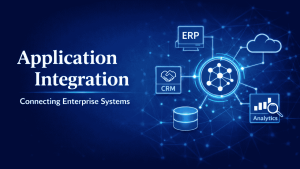
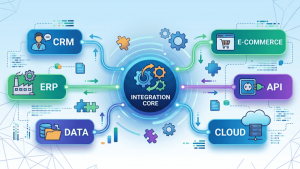
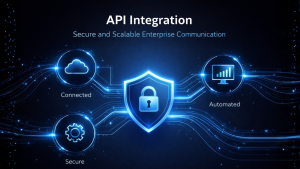
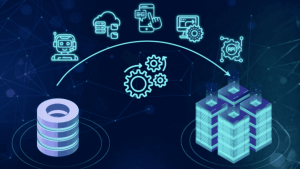
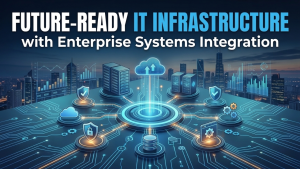
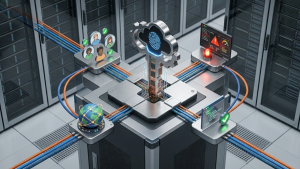
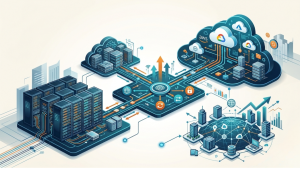
By contrast, organizations that implement enterprise systems integration architectures can manage their technology ecosystems more efficiently. Integration frameworks such as APIs, middleware platforms, and integration layers allow systems to communicate through standardized connections, reducing complexity while improving scalability.
Solving enterprise integration challenges requires more than simply connecting applications. Organizations need a structured integration strategy that aligns with their existing IT architecture, data workflows, and long-term digital transformation goals.
At Team Computers, enterprise systems integration begins with a detailed assessment of the organization’s technology environment. This includes identifying disconnected systems, mapping data flows, and understanding operational dependencies between platforms. Based on these insights, the team designs integration frameworks that enable secure and reliable communication across enterprise applications.
Team Computers supports organizations with:
This approach helps enterprises eliminate data silos, streamline operations, and build scalable technology ecosystems where systems work together efficiently. By transforming fragmented IT environments into connected digital platforms, Team Computers enables organizations to unlock the full value of their technology investments.
“Many organizations believe their biggest challenge is adopting new technology. In reality, the bigger challenge is ensuring that existing systems work together. Enterprise systems integration turns isolated tools into a coordinated digital ecosystem.”
— Head of IT Services, Team Computers
When enterprise systems are not integrated, organizations face a range of operational challenges that affect productivity, decision-making, and long-term scalability. Disconnected systems rarely appear as a single large problem. Instead, inefficiencies accumulate gradually across departments, making it harder for enterprises to operate efficiently and respond quickly to market changes.
Key takeaways:
Organizations that invest in integration strategies create technology environments where systems, data, and workflows operate seamlessly together.
Discover how Team Computers helps enterprises connect applications, infrastructure, and data platforms to build scalable, efficient digital environments.