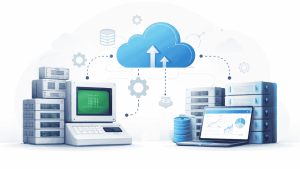
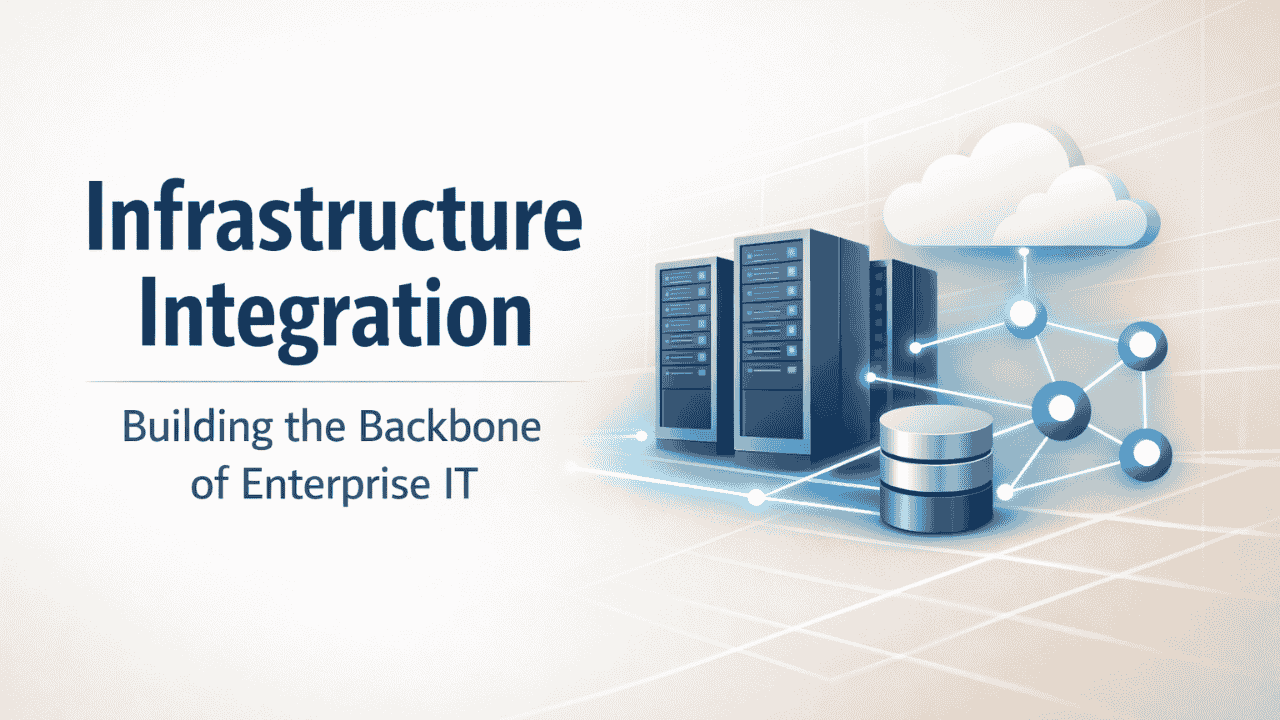
Modern enterprises rely on complex IT infrastructure environments consisting of servers, storage systems, networking components, virtualization platforms, and data centers. As organizations scale their operations and adopt new technologies, these infrastructure components often expand across multiple locations and platforms.
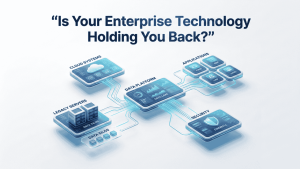
Without proper integration, enterprise infrastructure can become fragmented and difficult to manage. Systems may operate independently, creating operational inefficiencies, limited visibility, and increased maintenance challenges.
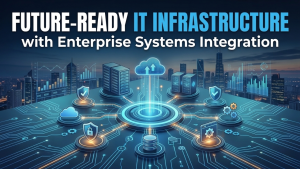
Infrastructure integration addresses these challenges by connecting core IT components into a cohesive environment that supports reliable performance, efficient resource utilization, and scalable operations.
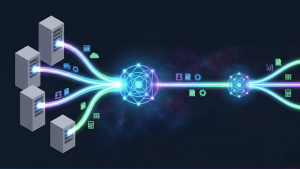
Infrastructure integration refers to the process of connecting and coordinating different infrastructure components so that they function as part of a unified IT architecture.
Rather than managing servers, storage, networking, and virtualization platforms independently, organizations integrate these systems to enable seamless communication and optimized performance.
A well-integrated infrastructure environment allows enterprises to manage workloads efficiently, ensure system availability, and support growing digital demands.
Servers form the computing foundation of enterprise IT environments. Integrating servers ensures that workloads can be distributed efficiently and managed centrally across the organization.
Modern enterprises generate vast amounts of data. Storage integration ensures that storage systems across data centers and cloud environments work together to support accessibility, performance, and data protection.
Networking infrastructure connects systems across the organization. Network integration ensures seamless communication between devices, applications, and platforms regardless of location.
Virtualization technologies allow organizations to run multiple workloads on shared infrastructure resources. Integrating virtualization environments improves flexibility and overall resource utilization.
Integrated infrastructure environments provide several measurable advantages for modern enterprises:
Many enterprises face significant challenges when infrastructure components operate independently. Legacy systems, diverse hardware vendors, and distributed environments can create compatibility issues that slow down operations.
Without integration, IT teams may struggle with monitoring performance, managing resources efficiently, and maintaining consistent system availability across locations. These gaps lead to higher operational costs and greater exposure to downtime risk.
Team Computers helps enterprises design, implement, and manage integrated infrastructure environments that support modern digital operations. With decades of experience in enterprise IT services, the company enables organizations to connect diverse infrastructure components into unified, high-performance ecosystems.
Rather than treating infrastructure elements as separate systems, Team Computers focuses on building integrated architectures that improve performance, reliability, and scalability across the enterprise.
Data centers remain a critical foundation for enterprise IT operations. However, many organizations operate multiple data centers with diverse technologies, legacy systems, and varying configurations.
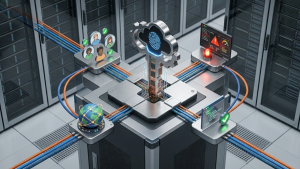
Team Computers provides data center infrastructure integration services that help organizations streamline these environments. By integrating servers, storage systems, networking infrastructure, and management tools, enterprises gain a centralized and efficient data center architecture that improves system availability and simplifies management.
Managing large numbers of physical and virtual servers can become complex when systems are deployed across multiple environments. Team Computers supports organizations in integrating server infrastructure to create scalable and efficient computing environments through workload consolidation, optimized resource allocation, and centralized management platforms.
Integrated server environments allow organizations to improve performance, reduce infrastructure complexity, and support high-availability workloads.
Modern enterprises generate enormous volumes of data that must be stored, accessed, and protected efficiently. Data is often distributed across multiple storage platforms, creating challenges for accessibility and management.
Team Computers provides storage integration solutions that unify storage environments across data centers, cloud platforms, and enterprise applications. These solutions ensure that data can be accessed securely and efficiently by the systems and users that need it, while optimizing storage utilization across the organization.
Networking infrastructure forms the communication backbone of enterprise IT systems. As organizations adopt distributed environments, remote work models, and hybrid infrastructure architectures, reliable network connectivity becomes increasingly important.
Team Computers helps enterprises integrate networking infrastructure across locations, data centers, and cloud environments to enable seamless communication between systems, applications, and users. These integrated environments also deliver improved network performance, enhanced security, and better visibility into enterprise connectivity.
Virtualization technologies allow organizations to run multiple applications and workloads on shared infrastructure resources. However, virtualization environments must be integrated with the broader infrastructure architecture to deliver their full value.
Team Computers supports enterprises in implementing virtualization and software-defined infrastructure solutions that improve resource utilization and operational flexibility. By integrating virtualization platforms with servers, storage systems, and networking infrastructure, organizations can create dynamic IT environments that scale easily as business requirements evolve.
Many organizations today operate hybrid environments that combine on-premise infrastructure with cloud platforms. Managing these hybrid systems can be challenging when infrastructure components operate independently without a unified strategy.
Team Computers helps enterprises integrate hybrid infrastructure environments so that on-premise systems, private clouds, and public cloud platforms work together seamlessly. This integrated approach enables organizations to move workloads efficiently, maintain consistent performance, and support long-term digital transformation initiatives.
Infrastructure integration is a foundational element of modern enterprise IT strategies. By connecting servers, storage systems, networking platforms, and virtualization technologies, organizations can build resilient environments that support performance, scalability, and digital transformation.
Enterprises that invest in a structured infrastructure integration approach reduce operational complexity, improve system reliability, and create IT environments capable of supporting long-term business growth.
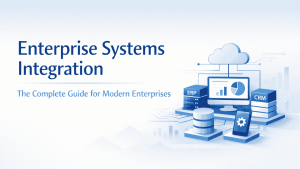
Also Read: Enterprise Systems Integration: The Complete Guide for Modern Enterprises