Today’s hotel guests expect more than comfortable rooms and good service. They expect memorable experiences.
From the moment they walk into a lobby to the time they attend a conference or relax in their room, guests interact with technology everywhere.
This is where AV integration in hospitality is making a major difference.
Hotels, resorts, and event venues are using modern audio-visual systems to transform ordinary spaces into immersive environments that enhance comfort, engagement, and convenience.
For hospitality leaders, AV is no longer just a support system for conference rooms. It has become a core part of the guest experience strategy.
An immersive hospitality experience goes beyond décor or luxury amenities. It combines technology, environment, and personalization to create memorable moments.
Examples include:
These elements work together to create spaces that feel modern, intuitive, and engaging.
Guests notice the difference immediately.
Hotels today serve multiple functions. They are not just accommodation spaces but also:
Each of these spaces requires a different type of experience.
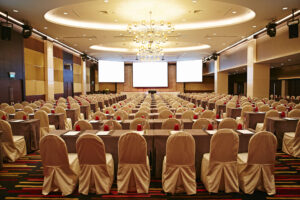
AV integration in hospitality allows venues to transform environments dynamically. A conference room can host a corporate meeting in the morning and a wedding event in the evening. A restaurant can adjust lighting, visuals, and music to match the mood throughout the day.
The result is a flexible environment that adapts to guest expectations.
Several audio-visual technologies are helping hospitality providers create richer guest experiences.
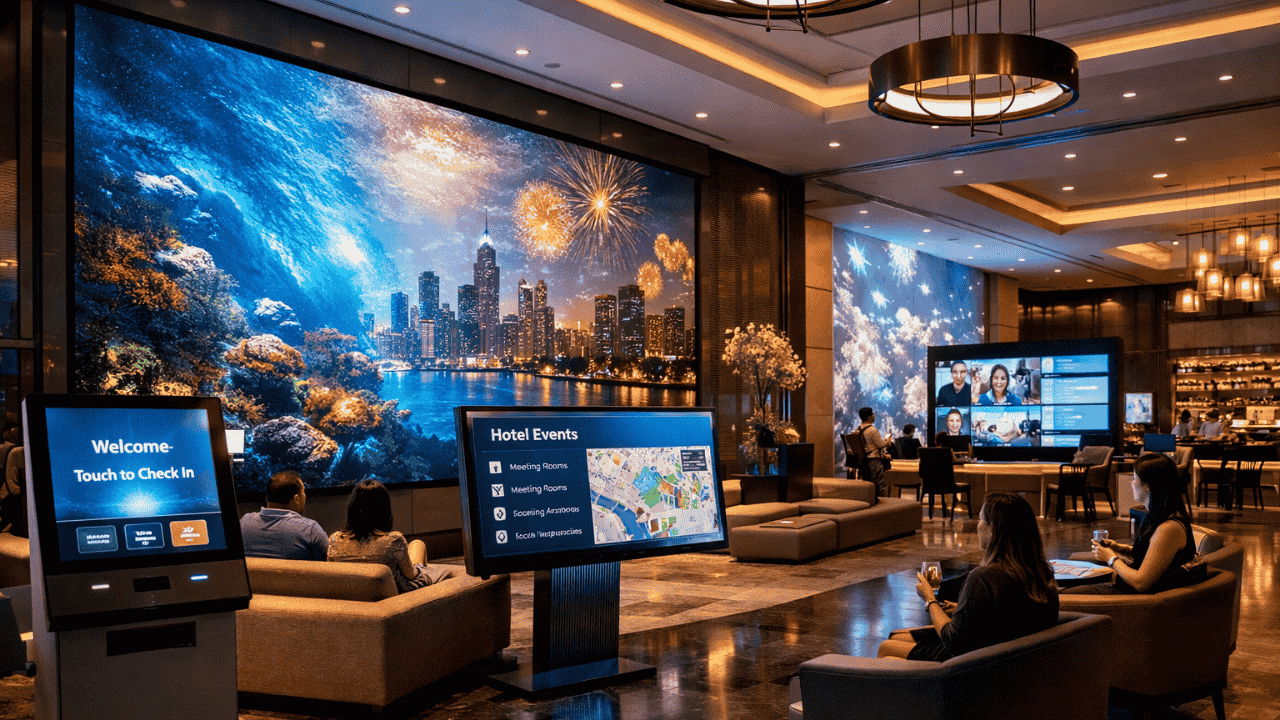
Digital signage has become a central feature in modern hotels.
Large displays provide:
Interactive kiosks also allow guests to access information quickly without waiting at reception.
For large resorts and convention hotels, these tools significantly improve navigation and guest convenience.
Sound plays a subtle but powerful role in hospitality environments.
High-quality audio systems create the right atmosphere in different areas of the property:
Well-designed soundscapes help hotels create consistent brand experiences across spaces.
Projection mapping technology is increasingly used in hospitality venues and event spaces.
It allows ordinary surfaces such as walls or ceilings to transform into dynamic visual displays.
Hotels use projection mapping to:
For guests, these experiences feel unique and memorable.
AV solutions help hotels deliver more personalized and convenient experiences.
Modern guest rooms increasingly include integrated AV systems that allow guests to control their environment.
Using a single interface, guests can manage:
These features add convenience while creating a more premium experience.
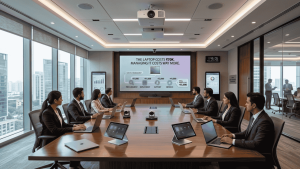
Hotels with strong AV capabilities attract more corporate events.
Conference organizers look for venues that offer:
With the rise of hybrid meetings and corporate gatherings, AV-ready venues are becoming a major competitive advantage.
While the benefits are significant, implementing AV systems requires careful planning.
AV infrastructure requires upfront investment. However, hotels often see long-term returns through:
When aligned with the guest experience strategy, AV systems can deliver strong ROI.
Technology failures during events or guest stays can damage reputation.
Hotels must ensure their AV infrastructure is:
This ensures consistent performance during peak operations.
The next phase of AV integration in hospitality will be driven by intelligent and immersive technologies.
Hotels are beginning to explore innovations such as:
As guest expectations continue to evolve, technology will play an even bigger role in shaping hospitality experiences.
In modern hospitality, experience is everything.
Guests remember how a place felt, not just how it looked.
Through AV integration in hospitality, hotels can create dynamic spaces that engage guests, enhance events, and deliver memorable experiences.
For hospitality leaders looking to stay competitive, investing in the right AV infrastructure is no longer optional.
It is becoming a key part of delivering the next generation of guest experiences.