
With most CIOs expecting significant shifts in plans and outcomes, execution has become the defining factor of success. The difference is no longer in strategy alone but in how effectively organizations adapt, manage risk, and deliver measurable results.
Leading CIOs are now focusing on three critical capabilities: agility, risk-readiness, and a relentless drive for outcomes.
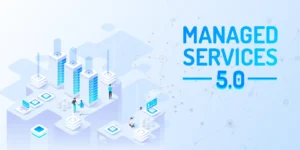
In this environment, Managed IT Services are evolving beyond operational support. They are becoming the foundation that enables IT leaders to execute with speed, flexibility, and financial impact.
Many digital initiatives fail not because of poor planning, but because they are too rigid.
Modern CIOs are increasingly adopting a model of continuous reprioritization adjusting IT priorities in response to changing business conditions.
However, this level of agility is difficult to achieve when internal teams are heavily focused on maintaining day-to-day operations.
Managed IT Services enable agility by:
This creates the flexibility to pivot stopping what no longer delivers value and investing in what does.
Efficiency is no longer the end goal of IT operations—outcomes are.
CIOs are now expected to demonstrate how technology investments contribute directly to business growth, cost optimization, and revenue impact.
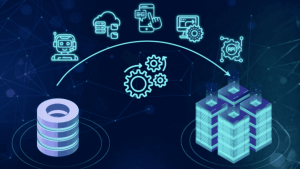
One of the most significant shifts enabling this is the rise of AI-driven service models within Managed IT Services.
These models allow organizations to:
This shift reflects a broader change from managing IT for efficiency to leveraging IT as a driver of financial performance.
Risk is no longer limited to cybersecurity, it now includes geopolitical, regulatory, and operational challenges.
With increasing focus on data sovereignty and regional compliance, CIOs must rethink how infrastructure and vendors are managed.
Managed IT Services support risk-readiness by:
This allows organizations to operate confidently in complex and rapidly changing environments.
The role of Managed IT Services is shifting.
It is no longer about maintaining systems—it is about enabling execution.
Modern enterprises are looking for partners that can:
Providers like Team Computers are helping organizations make this transition by delivering Managed IT Services that focus on flexibility, resilience, and measurable impact.
Execution Is the New Differentiator
In today’s environment, success is not defined by having the perfect plan—it is defined by the ability to execute.
Key takeaways include:
The most successful CIOs are not just managing IT, they are using it to drive business momentum.
Is your IT strategy built for execution or still optimized for stability?
Discover how Team Computers can help you transform your IT operations with Managed IT Services designed to deliver agility, resilience, and measurable business outcomes.