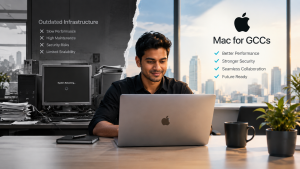
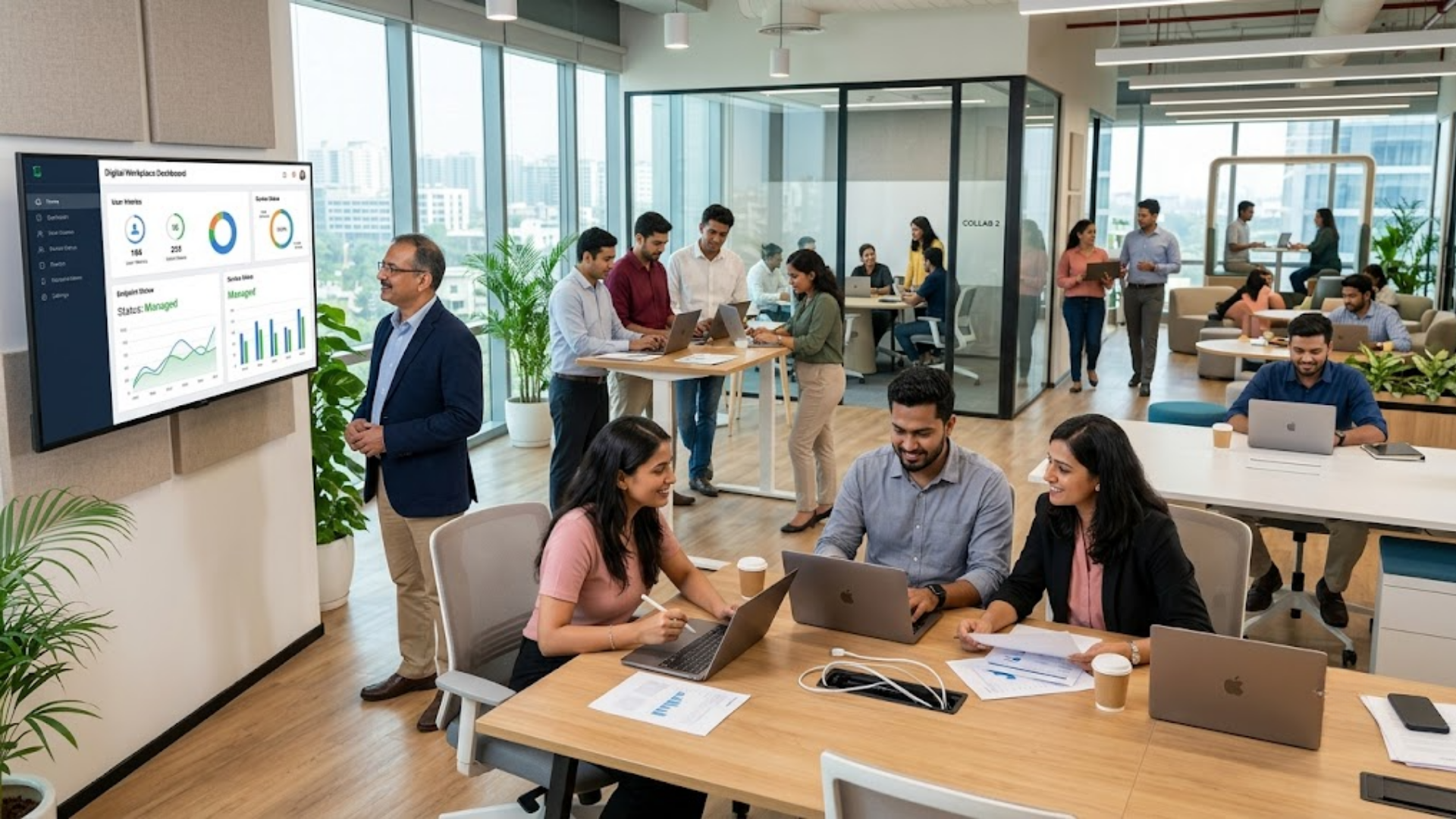
A few years ago, employees had little say in the laptops they used. IT teams selected a standard device, procurement purchased it in bulk, and every new employee received the same machine on their first day.
That model is changing.
Today’s workforce expects technology that matches the way they work. Whether it’s software developers, designers, consultants, senior executives, or customer-facing teams, many employees are actively asking for Macs—not because they’re fashionable, but because they believe they’ll be more productive using the tools they’re already comfortable with.
For CIOs and IT leaders, this presents a new challenge. Supporting employee choice without increasing security risks, management complexity, or operational costs isn’t as simple as approving a different laptop.
The conversation is no longer about giving employees what they want. It’s about creating a workplace where employee experience and enterprise governance can exist together.
At Team Computers, we’ve seen this shift across enterprises in BFSI, IT services, GCCs, healthcare, manufacturing, and consulting. Organisations that respond strategically to employee demand aren’t creating exceptions—they’re building modern workplace strategies that improve productivity while keeping IT firmly in control.
Employee expectations have changed—and enterprise IT is adapting
Think about how employees work today.
A software engineer collaborates across multiple time zones. A consultant spends half the week with clients. A sales leader joins meetings from airports and hotels. A designer moves between creative applications while collaborating with distributed teams.
The device has become the primary workplace.
Employees no longer compare workplace technology only with what other companies provide. They compare it with the experience they have using technology in their personal lives.
That’s one of the reasons Mac adoption continues to grow in enterprise environments.
When employees believe a device helps them work more efficiently, they become more engaged with it.
For IT leaders, however, the challenge isn’t simply choosing between Windows and Mac.
It’s answering bigger questions.
- How do we support employee choice without increasing support tickets?
- Can Apple devices integrate with existing enterprise systems?
- Will security become more complicated?
- How do we manage devices consistently across thousands of employees?
- Can procurement support multiple endpoint strategies without increasing operational complexity?
These questions deserve strategic answers—not assumptions.
Why employees are asking for Macs
The reasons vary by role, but the underlying theme is remarkably consistent.
Employees want technology that helps them do their best work.
They want fewer interruptions
Modern work is continuous.
Employees move between email, meetings, collaboration platforms, presentations, spreadsheets, and customer conversations throughout the day.
Every delay, reboot, or performance issue interrupts momentum.
Many employees believe Macs provide a smoother day-to-day experience, particularly when handling multiple workflows simultaneously.
They already know the platform
For many professionals, especially younger employees entering the workforce, Apple devices are already familiar.
That familiarity reduces onboarding friction and helps new hires become productive more quickly.
Hybrid work has changed expectations
Employees no longer spend every working hour inside a corporate office.
They’re working from home, client locations, airports, and coworking spaces.
They expect a device that performs consistently wherever work happens.
The workplace has become mobile.
The endpoint has become critical.
Employee experience has become a competitive advantage
In highly competitive industries such as technology, consulting, financial services, and Global Capability Centers (GCCs), workplace technology increasingly influences employer branding.
While compensation, career growth, and culture remain the biggest factors in attracting talent, providing employees with the tools they prefer can contribute to a stronger workplace experience.
Forward-looking CIOs recognise that endpoint strategy is becoming part of the broader employee value proposition.
Why IT doesn’t simply say “yes”
If employees are asking for Macs, why don’t organisations immediately approve them?
Because IT has responsibilities that employees rarely see.
Every new device affects:
- Security policies
- Identity management
- Device provisioning
- Software deployment
- Compliance
- Support operations
- Lifecycle management
- Procurement
- Asset tracking
Introducing a new endpoint platform without planning can create operational complexity.
That’s why successful enterprises don’t respond by purchasing devices.
They respond by building an Apple strategy.
At Team Computers, we often begin these conversations by understanding the organisation’s existing workplace architecture. Apple adoption should strengthen enterprise operations—not create parallel IT environments.
When implemented thoughtfully, Macs become part of the same governed workplace ecosystem, integrated with enterprise identity, security policies, and device management frameworks.
Smart enterprises aren’t offering Macs to everyone
One of the biggest misconceptions is that adopting Apple means replacing every Windows laptop.
In practice, most organisations take a far more strategic approach.
They begin with employee groups where Macs deliver the greatest business value.
Common starting points include:
- Software development teams
- Design and creative professionals
- Product management teams
- Senior leadership
- Consulting and client-facing teams
- Engineering and innovation groups
This phased approach allows IT to refine deployment processes, security policies, user support, and lifecycle management before expanding to additional departments.
It’s a practical strategy that balances flexibility with operational control.