Artificial intelligence and automation are rapidly transforming how enterprises operate. Organizations are adopting AI-powered analytics, intelligent automation platforms, and machine learning systems to improve efficiency, enhance decision-making, and streamline operations.
However, these advanced technologies cannot function effectively in isolation. AI models require access to large volumes of accurate and connected data, while automation tools depend on seamless communication between enterprise applications. When enterprise systems operate independently, AI and automation initiatives often struggle to deliver their full value.
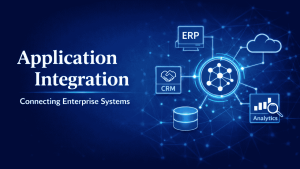
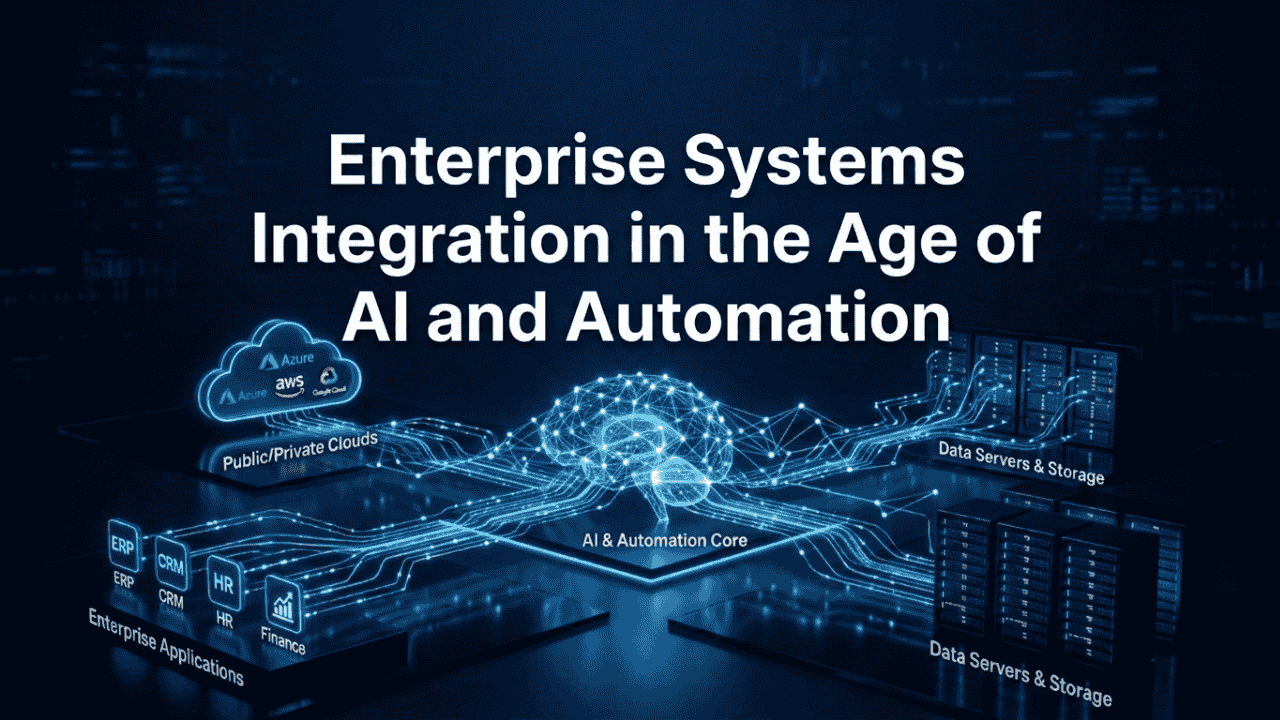
This is where enterprise systems integration becomes essential. By connecting applications, infrastructure, and data environments, systems integration enables AI platforms and automation tools to access consistent information and operate across multiple business processes.
In the age of intelligent technologies, enterprises that prioritize enterprise systems integration are better positioned to unlock the full potential of AI and automation. This article explores how integration supports these technologies and why it has become a critical foundation for modern enterprise innovation.
Artificial intelligence and automation platforms rely heavily on connected data and seamless communication between enterprise technologies. AI models analyze information from multiple sources to generate insights, predictions, and recommendations. Automation platforms execute workflows by interacting with various enterprise applications.
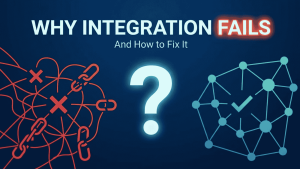
When enterprise systems are not integrated, these technologies face significant limitations. Data may remain isolated within individual systems, preventing AI tools from accessing the comprehensive datasets required for accurate analysis. Similarly, automation workflows may fail when applications cannot communicate with each other effectively.
For example, an AI-driven customer analytics platform may require data from CRM systems, marketing platforms, and support applications. Without integration, gathering this information becomes complex and time-consuming.
Integrated enterprise systems ensure that AI and automation technologies operate with complete and consistent information, allowing organizations to achieve more accurate insights and more reliable automated processes.
Automation has evolved far beyond simple task execution. Modern enterprises are implementing intelligent automation platforms that combine robotic process automation (RPA), machine learning, and advanced analytics.
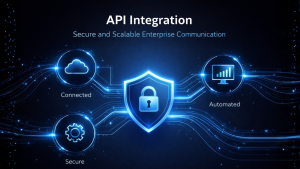
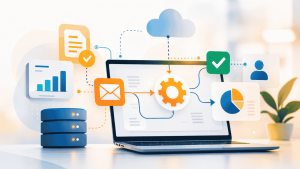
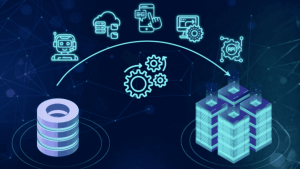
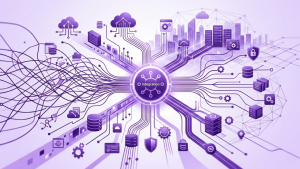
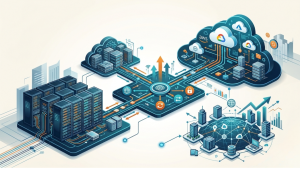
These automation initiatives require seamless communication between enterprise platforms. Systems integration enables this connectivity by linking applications, databases, and infrastructure environments into a unified technology ecosystem.
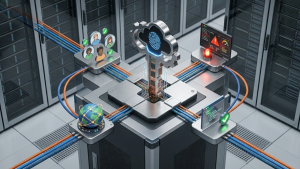
With integrated systems, automation platforms can trigger workflows across multiple departments and systems. For example, an automated procurement process may involve ERP systems, supplier platforms, and financial systems. Integration ensures that information flows smoothly across these platforms without manual intervention.
Organizations that implement integrated environments can scale automation initiatives more effectively, reducing operational workloads while improving process accuracy.
Data is the foundation of any successful AI initiative. Machine learning models require large datasets that are accurate, consistent, and accessible across enterprise platforms.
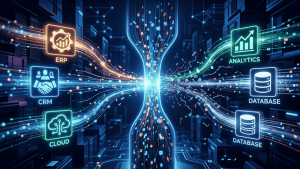
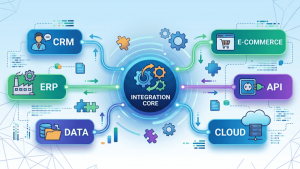
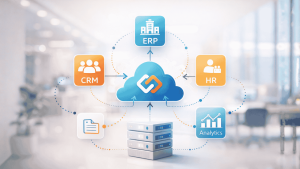
In many organizations, data remains scattered across multiple applications and databases. CRM systems store customer information, ERP platforms manage operational data, and analytics tools track performance metrics. When these systems operate independently, AI tools cannot easily access the full dataset required for reliable insights.
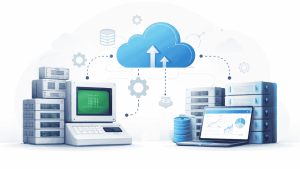
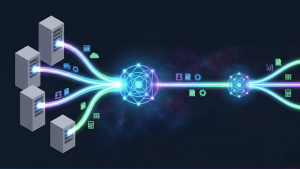
Enterprise systems integration solves this challenge by enabling seamless data exchange between systems. Integration frameworks allow enterprises to synchronize information across applications and create unified data environments.
With integrated data ecosystems, AI platforms can analyze information from multiple sources simultaneously. This improves the accuracy of predictive models, enhances analytics capabilities, and enables organizations to make more informed decisions.
Adopting AI and automation technologies requires more than simply implementing new software tools. Organizations must ensure that their technology environments can support these advanced capabilities.
Enterprises preparing for AI-driven operations typically focus on several key areas:
When these elements are in place, enterprises can implement AI and automation technologies more effectively. Integrated technology environments allow organizations to deploy intelligent tools across departments while maintaining operational consistency.
This approach ensures that AI and automation initiatives deliver measurable business value rather than becoming isolated technology experiments.
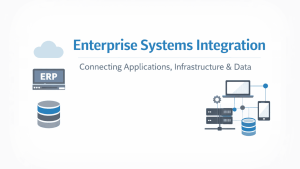
Implementing AI and automation successfully requires a strong integration foundation. Enterprises must connect applications, infrastructure environments, and data systems to ensure that intelligent technologies can operate across the organization.
Team Computers helps enterprises design and implement enterprise systems integration frameworks that support modern AI and automation initiatives.
With extensive experience in enterprise IT environments, Team Computers enables organizations to integrate critical business applications, align infrastructure platforms, and create unified data ecosystems. These integration strategies allow enterprises to deploy AI-driven analytics, automate workflows, and enhance operational efficiency.
By building connected technology environments, Team Computers helps organizations unlock the full potential of intelligent technologies while maintaining scalability and security.
Artificial intelligence and automation are reshaping enterprise operations, but their success depends on a strong technological foundation. Organizations must ensure that applications, infrastructure, and data environments are connected so intelligent systems can access the information they need.
Enterprise systems integration provides the framework required to support these advanced technologies.
Key takeaways include:
Enterprises that prioritize integration will be better equipped to implement intelligent technologies and drive long-term innovation.
AI and automation initiatives can only succeed when enterprise technologies operate as a connected ecosystem. Discover how Team Computers helps organizations implement enterprise systems integration strategies that support AI-driven innovation and intelligent automation.
Explore how integrated enterprise systems can power the next phase of your digital transformation.