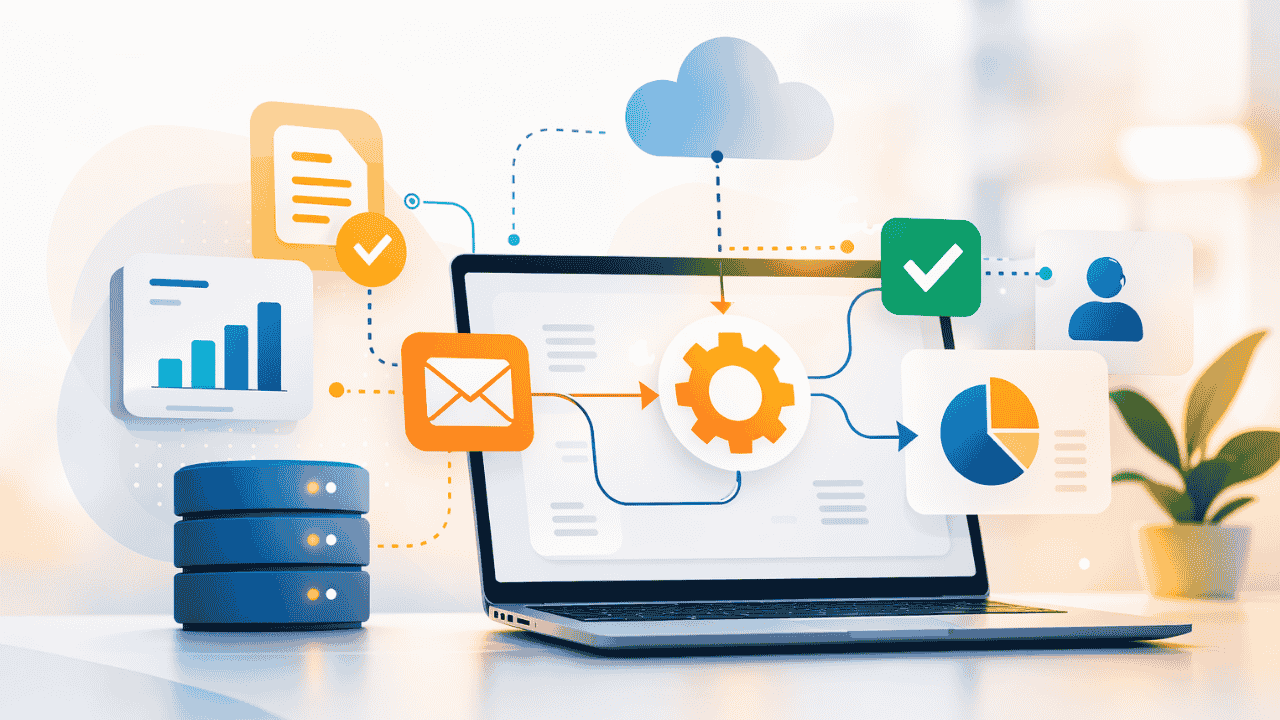
In many enterprises, critical business processes still rely on manual coordination between systems. Employees transfer data between applications, update spreadsheets, and send emails to trigger the next step in a workflow.
These manual processes slow operations and increase the risk of human error.
Enterprise Workflow Automation addresses this challenge by connecting systems so that processes execute automatically.
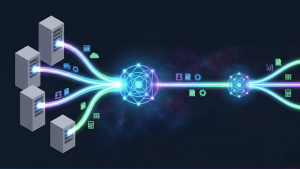
When supported by systems integration, workflows can move seamlessly between enterprise applications – triggering actions, updating data, and notifying teams without manual intervention.
Studies show that organizations implementing workflow automation can reduce operational processing times by [STAT: up to 40%].
This blog explores how Enterprise Workflow Automation powered by systems integration enables organizations to streamline operations and improve productivity.
Many enterprise processes involve coordination across multiple systems and departments, which can make workflows complex and time-consuming. Common examples include employee onboarding, customer order processing, invoice approvals, and supply chain coordination, all of which often require data to move between several applications. When these workflows depend heavily on manual actions, organizations face several operational challenges.
Teams may deal with repetitive administrative tasks, delayed approvals, and inconsistent data updates across systems, leading to inefficiencies and errors. As a result, employees spend a significant portion of their time performing routine activities that automation could easily handle. This lack of streamlined processes ultimately reduces productivity, slows operational efficiency, and limits business growth.
By implementing integrated automation frameworks, enterprises can significantly improve workflow performance and operational outcomes. For deeper insights, see Driving Operational Efficiency Through Enterprise Systems Integration.
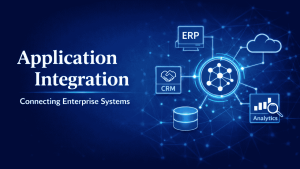
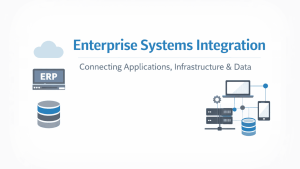
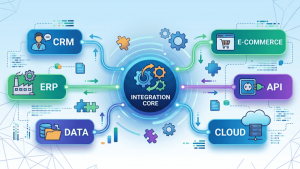
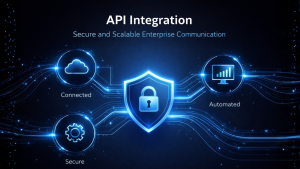
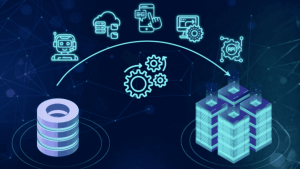
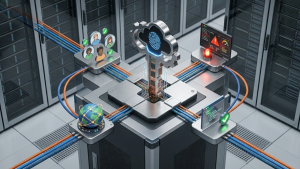
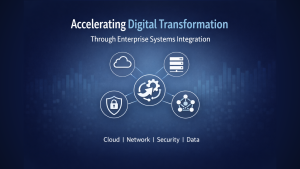
Enterprise workflow automation relies on integrated enterprise systems that allow applications to communicate seamlessly with one another. When systems such as CRM, ERP, HR platforms, and accounting tools are connected, organizations can automate processes end-to-end without manual intervention.
For example, in customer order processing, orders placed through digital platforms can automatically update CRM, ERP, and inventory systems in real time. In finance operations, invoices generated in accounting platforms can trigger automated approval workflows, reducing delays and administrative effort.
Similarly, during HR onboarding, employee information entered into HR systems can automatically provision access to enterprise applications and internal tools. These integrated workflows significantly improve operational speed while minimizing manual tasks.
As a result, organizations adopting Enterprise Workflow Automation experience measurable efficiency gains, including reduced operational costs, improved process accuracy, faster business operations, and enhanced employee productivity, as teams are freed from repetitive tasks and can focus on higher-value strategic work.
Team Computers helps enterprises implement Enterprise Workflow Automation solutions powered by robust systems integration. By connecting critical business applications and infrastructure, we enable organizations to automate complex processes and improve operational efficiency.
Our capabilities include enterprise application integration, workflow orchestration frameworks, and hybrid infrastructure integration, ensuring seamless communication between systems across cloud and on-premise environments.
By bringing enterprise systems together into cohesive, automated workflows, we help organizations streamline operations, reduce manual intervention, and scale their business processes more efficiently. For deeper insights, explore: Hybrid IT Systems Integration for Scalable Enterprise Infrastructure.
Manual workflows can significantly slow enterprise operations.
By implementing Enterprise Workflow Automation powered by systems integration, organizations can transform fragmented processes into streamlined digital workflows.
Key takeaways:
Explore how Team Computers can help automate enterprise workflows through intelligent systems integration, enabling faster operations and greater productivity across your organization.