For most growing enterprises, bulk device procurement is a routine exercise. Whether it is laptops for new employees, tablets for frontline teams, or desktops for branch offices, IT and procurement teams frequently purchase devices in large volumes to support expansion.
At first glance, bulk purchasing seems efficient. Organizations secure better pricing, simplify vendor negotiations, and standardize hardware across teams.
However, many enterprises overlook a critical aspect after procurement: device lifecycle management.
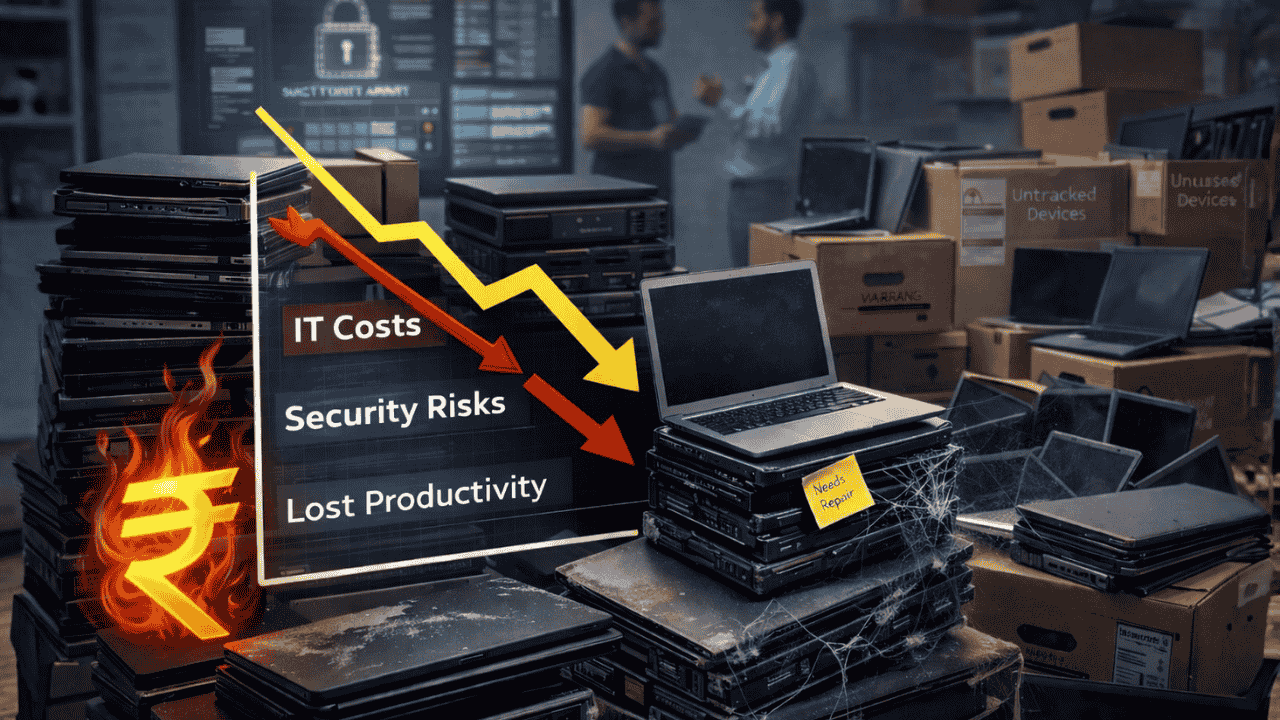
Without a structured approach to tracking, maintaining, and securing devices across their lifecycle, organizations often face hidden operational costs. These costs rarely appear in the procurement budget but surface later through downtime, security incidents, asset loss, and support inefficiencies.
For IT heads managing multiple offices and thousands of endpoints, ignoring lifecycle management can quickly turn a cost-saving decision into a long-term operational challenge.
Bulk procurement solves one problem—hardware acquisition. But devices continue to generate operational responsibilities long after they are delivered.
Once deployed, each device requires:
Without proper device lifecycle management, IT teams struggle to maintain visibility over these processes.
In organizations with distributed offices, this lack of control becomes even more pronounced. Devices may move between teams, remain unused, or operate with outdated software—all of which increase risk and inefficiency.
One of the most common issues in large enterprises is losing track of devices after deployment.
When organizations purchase hundreds or thousands of devices in bulk but lack centralized tracking systems, IT teams often face questions such as:
Without proper asset visibility, organizations may unknowingly purchase new devices while existing ones remain unused.
This leads to unnecessary capital expenditure and poor asset utilization.
A structured device lifecycle management system helps maintain a real-time inventory of all endpoints, ensuring devices are used effectively across teams and locations.
Unmanaged devices tend to create more support tickets.
Employees may operate outdated operating systems, miss critical patches, or install unauthorized software. When devices are not monitored centrally, IT teams often learn about these issues only after they disrupt productivity.
For organizations with multiple branch offices, the situation becomes even more complex. Supporting devices across locations without centralized management increases response time and operational overhead.
With proper lifecycle management, IT teams can automate updates, enforce security policies, and monitor device health remotely. This significantly reduces the support workload and ensures devices remain reliable.
Security risks increase significantly when devices are not actively managed.
Unpatched operating systems, outdated applications, or unsecured devices can become entry points for cyber threats. In industries such as BFSI, healthcare, or manufacturing, these vulnerabilities may also lead to compliance violations.
A single compromised device can expose sensitive corporate data or disrupt business operations.
A robust device lifecycle management strategy ensures that:
This proactive approach reduces security risks and protects enterprise data.
Device failures often occur gradually. Batteries degrade, storage fills up, and system performance declines over time.
Without lifecycle monitoring, IT teams typically react only when devices fail completely. This results in unexpected downtime and lost productivity for employees.
For frontline teams or customer-facing roles, even short disruptions can affect business performance.
Lifecycle management enables IT teams to monitor device health, anticipate failures, and schedule replacements proactively. This ensures minimal disruption to day-to-day operations.
Most enterprises follow informal replacement cycles based on employee complaints or device failures. While this may seem practical, it often leads to inconsistent hardware performance across teams.
Some employees may use outdated devices for years, while others receive upgrades prematurely.
Without proper lifecycle data, IT teams cannot accurately determine when devices should be replaced.
A structured device lifecycle management framework provides insights into device age, performance trends, and warranty status. This allows organizations to plan upgrades strategically rather than reactively.
Bulk device purchases often include warranties and vendor support agreements. However, these benefits are frequently underutilized because organizations fail to track them properly.
Devices may remain unused during their warranty period or may require repairs after the warranty expires.
This leads to avoidable repair costs.
Lifecycle management systems track warranty coverage, enabling IT teams to take timely action when devices require service or replacement.
For enterprises managing large device fleets, device lifecycle management must be integrated into IT operations from day one.
A strong lifecycle strategy typically includes:
These processes ensure that devices remain secure, efficient, and productive throughout their lifecycle.
For IT heads and procurement leaders, the focus is gradually shifting from device procurement to device optimization.
The goal is not just to buy devices at the best price but to ensure those devices deliver value throughout their operational life.
When implemented correctly, device lifecycle management helps organizations:
These benefits translate into lower operational costs and better overall productivity.
Bulk device procurement may seem like a straightforward cost-saving strategy, but without proper management, it often leads to hidden operational expenses.
From lost assets and increased support requests to security risks and unplanned downtime, unmanaged devices create challenges that affect both IT teams and business operations.
A structured device lifecycle management approach ensures that organizations maintain visibility, security, and performance across their entire device fleet.
For enterprises managing thousands of endpoints across multiple offices, this shift is no longer optional. It is essential for maintaining operational efficiency and maximizing the return on technology investments.