
For decades, Service Level Agreements (SLAs) have been the gold standard of IT. They measure performance through cold, hard metrics: uptime percentages, response times, and ticket resolution speeds.
However, the modern workplace has moved beyond just “keeping the lights on.” Employees now rely on a complex web of cloud apps and distributed networks. In this environment, a system might technically be “up” (meeting its SLA), but if an application is lagging or a login process takes three minutes, the employee’s productivity is effectively zero.
This gap between technical metrics and actual reality is why enterprises are shifting toward Experience Level Agreements (XLAs). Unlike SLAs, which measure system performance, XLAs focus on the quality of the human experience and the business outcomes IT delivers.
Common SLA metrics like 99.9% uptime are useful for operational monitoring, but they often tell an incomplete story. For example:
This highlights the “Watermelon Effect”: the dashboard looks green, but the user experience is seeing red. As organizations prioritize employee retention and digital efficiency, SLAs alone are no longer enough.
XLAs shift the focus from “Is the server running?” to “Is the employee empowered?” Instead of just tracking technical indicators, XLAs evaluate the impact of IT on the person behind the screen.
Key XLA metrics often include:
The shift is being driven by the reality of 2026:
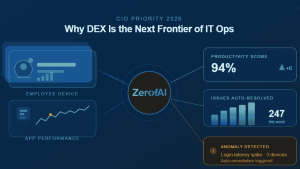
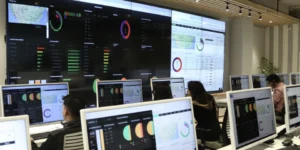
Moving to an XLA model requires deeper visibility than traditional monitoring tools provide. This is where the marriage of Managed Services and AIOps becomes critical.
By leveraging intelligent automation and predictive analytics, IT teams can:
While Service Level Agreements (SLAs) and Experience Level Agreements (XLAs) both aim to measure the effectiveness of IT services, they focus on very different aspects of performance.
Traditional SLAs primarily measure system performance. They track technical metrics such as uptime, response time, and incident resolution time to ensure that infrastructure and services remain available. The primary objective of an SLA is to ensure that operational targets are met and that IT systems function within predefined service thresholds.
XLAs, on the other hand, shift the focus from infrastructure performance to user experience. Instead of evaluating only technical availability, XLAs measure how IT services impact employee productivity and satisfaction. Metrics in an XLA framework often include user feedback, digital workplace experience, and the time it takes for employees to regain productivity after an issue occurs.
In essence, SLAs focus on whether systems are running, while XLAs focus on how effectively those systems support the people using them. This shift from operational metrics to outcome-driven measurements enables organizations to align IT services more closely with business performance and employee experience.
In a digital-first world, success is no longer measured by how many tickets you closed, it’s measured by how few tickets were needed in the first place. Experience Level Agreements (XLAs) represent a necessary evolution in IT Service Management, aligning technology with the people it serves.
Ready to close the gap between your IT metrics and your employee experience? Discover how Team Computers Managed Services, powered by our intelligent automation engine ZerofAI, can help your organization transition to an outcome-driven IT strategy that prioritizes user productivity and business growth.