The Future of Hybrid Work: Leveraging AV Integration for Seamless Collaboration

    • The modern workplace has evolved dramatically, ushering in hybrid work as the dominant model. This blend of in-office and remote work offers unparalleled flexibility but also demands advanced solutions for seamless collaboration. Audio-visual (AV) integration has emerged as a cornerstone for bridging physical and virtual workspaces, ensuring efficiency, equity, and engagement.

Defining Hybrid Work: A New Era

  • Hybrid work merges the benefits of traditional office settings with the freedom of remote work. It prioritizes flexibility, enabling employees to alternate between locations without compromising productivity or collaboration.

Why Seamless Collaboration Matters

  • In hybrid models, teams often operate across different locations and time zones. Seamless collaboration ensures that these barriers don’t hinder performance. It’s about creating an environment where employees, regardless of location, feel equally connected and empowered.

AV Integration: The Engine of Hybrid Collaboration

  • Audio-visual solutions are no longer optional—they are essential. From enabling crystal-clear communication to fostering real-time collaboration, AV systems play a pivotal role in making hybrid work feasible and efficient.

Key AV Technologies Revolutionizing Hybrid Work

  • Video Conferencing Systems: Platforms like Zoom and Microsoft Teams enable high-definition video meetings, allowing participants to engage visually and emotionally.
  • Advanced Audio Solutions: High-quality microphones and noise-canceling technologies ensure every voice is heard with clarity.
  • Interactive Displays: Smart screens and virtual whiteboards allow for dynamic collaboration, mimicking the in-person brainstorming experience.
  • Virtual Reality (VR) and Augmented Reality (AR): These emerging technologies create immersive environments, transforming remote interactions into engaging, shared experiences.

Challenges in Hybrid Collaboration

  • Ensuring Equity: Remote employees often feel excluded from critical discussions. AV systems must bridge this gap by giving all participants an equal presence.
  • Technical Barriers: Poor AV setup or lack of compatibility between systems can derail productivity, emphasizing the need for robust solutions.
  • Participation Imbalance: Without effective tools, remote workers may struggle to contribute actively in meetings dominated by in-office attendees.

Designing AV-Enhanced Hybrid Workspaces

  • Optimized Meeting Rooms: Equipped with strategically placed cameras and microphones, these spaces allow remote participants to feel as though they’re physically present.
  • Virtual-Friendly Layouts: Physical spaces must complement virtual tools, ensuring fluid transitions between in-person and online collaboration.
  • User-Centric Systems: Technology should be intuitive, minimizing the learning curve and enhancing adoption.

Benefits of AV Integration

  • Improved Productivity: Seamless communication fosters focus and efficiency, eliminating barriers to effective teamwork.
  • Enhanced Communication: High-quality AV systems reduce misunderstandings, ensuring clarity in all interactions.
  • Cost Savings: Over time, reduced travel expenses and operational efficiencies justify the investment in AV technologies.
  • Employee Satisfaction: Flexibility combined with effective tools contributes to higher morale and job satisfaction.
  • The Future of AV in Hybrid Work

  • As technology evolves, so does the potential of AV integration. Artificial intelligence and 5G connectivity promise even faster, smarter systems. With these advancements, hybrid work will become increasingly immersive, efficient, and inclusive.

Conclusion

  • Hybrid work is here to stay, and organizations must adapt by embracing AV integration. These systems not only facilitate communication but also redefine collaboration, ensuring every employee thrives—no matter where they work.

Team Computers: Great Place to Work Certified – Third Time in a Row!

It’s a moment of immense pride for us at Team Computers as we announce that we’ve been certified as a Great Place to Work for the third consecutive year! This recognition is more than just an accolade; it’s a reflection of the heart and soul we pour into creating a workplace that cherishes people. Together, we continue to grow, support one another, and thrive as one big family. What began as a small, close-knit team of 20 members has now grown into a family of 5,000 strong. Through every challenge and success, we’ve stayed united by a common purpose: to create a culture where everyone can grow, contribute, and feel valued.

A Culture Driven by People and Passion

At Team Computers, people are at the heart of everything we do. Our culture is built on the principles of inclusivity, respect, and teamwork, and we are proud to create an environment where each member can contribute meaningfully, share ideas openly, and grow alongside the company.

We don’t just work together – we inspire one another. It’s this passion that has earned us the honour of being certified as a Great Place to Work once again.

Here’s to Many More Milestones

Being recognized as a Great Place to Work for the third time is not just a celebration of our past achievements – it’s a promise for the future. Thank you to each and every member of #Teamfam for being an integral part of this journey. Here’s to many more milestones, countless achievements, and the continued growth of our incredible team.

OpenAI releases GPT-4o, a speedier model accessible to all ChatGPT users

OpenAI’s recent announcement of GPT-4o, a faster and freely accessible model for all ChatGPT users, marks a significant milestone in the realm of artificial intelligence. Here’s what CIOs need to know:

Faster, Smarter, Stronger:

  • GPT-4o represents a leap forward in AI capabilities, boasting enhanced speed and efficiency compared to its predecessors. With improved processing power and optimized algorithms, this new model promises quicker response times and increased productivity for ChatGPT users across various applications.

Accessible to All:

  • One of the most compelling aspects of GPT-4o is its accessibility. Unlike previous iterations that may have been limited to specific user groups or subscription tiers, GPT-4o is available to all ChatGPT users, regardless of their subscription level. This democratization of advanced AI technology opens doors for organizations of all sizes to harness its potential.

Seamless Integration:

  • CIOs will find that integrating GPT-4o into existing workflows is a seamless process. Whether used for customer support, content generation, data analysis, or any other application, ChatGPT’s intuitive interface makes it easy for teams to leverage the power of GPT-4o without extensive training or technical expertise.

Enhanced Capabilities:

  • With GPT-4o at their disposal, CIOs can expect enhanced capabilities across various AI-driven tasks. From generating personalized marketing content to analyzing complex datasets for business insights, the speed and accuracy of GPT-4o empower organizations to tackle challenges with newfound efficiency and precision.

Future-Proofing Strategies:

  • Embracing GPT-4o is not just about leveraging the latest technology; it’s also about future-proofing organizational strategies. By adopting cutting-edge AI models like GPT-4o, CIOs position their organizations at the forefront of innovation, ensuring they remain agile and competitive in an increasingly AI-driven landscape.

OpenAI’s release of GPT-4o signals a significant advancement in AI technology, offering CIOs a powerful tool to drive organizational growth and success. By embracing GPT-4o and integrating it into their workflows, CIOs can unlock new possibilities, optimize processes, and chart a course towards a more intelligent and efficient future.

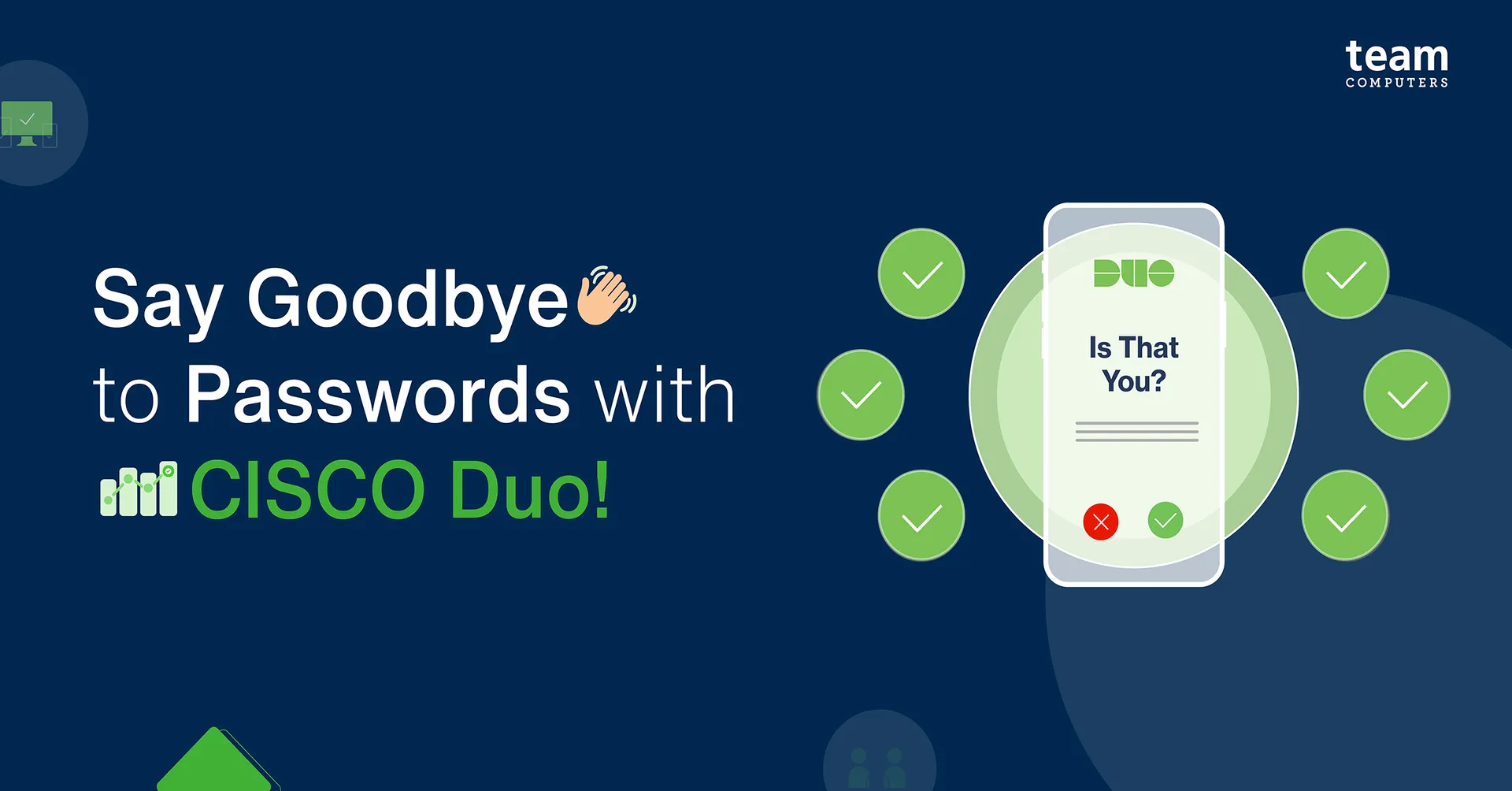
Say Goodbye to Passwords with CISCO Duo!

Tired of the hassle of passwords? Say hello to the future of secure access with Cisco Duo’s Password less Protection!

Experience the Benefits:

Enhanced Security: Eliminate the risk of password breaches and phishing attacks with password less authentication methods.
Simplified Access: Say goodbye to the headache of forgotten passwords and enjoy seamless, frictionless access.
User-Friendly: Cisco Duo makes authentication easy and convenient for users while ensuring rock-solid security.
Multi-Factor Authentication (MFA): Enhance your security posture by combining something you know, something you have, and something you are – without the password!

Key Features:

Biometric Authentication: Use your fingerprint or facial recognition for quick and secure access.
Mobile Push Notifications: Approve logins with a simple tap on your smartphone.
Secure Email Links: Verify your identity effortlessly by clicking a secure link in your inbox.
Secure Single Sign-On (SSO): Password less access to all your applications, cloud services, and network resources.

Protect Your Business and Data: With Cisco Duo’s Password less Protection, you’re not only securing your organization but also staying ahead of evolving threats.

Whether you’re a business owner, IT administrator, or a user seeking a more convenient and secure way to access your digital world, Cisco Duo’s Password less Protection has got you covered.

Reach out to us to know more : rashi.verma@teamcomputers.com

Simplify Your IT Infrastructure with Cisco Meraki!

Are you tired of dealing with complex IT setups that drain your time and resources? Cisco Meraki has got your back!

Say goodbye to the headaches of managing multiple networking and security devices. With Cisco Meraki’s cloud-managed technology, you can streamline your entire IT infrastructure from a single, intuitive dashboard.

Here’s how Cisco Meraki can transform your business:

Centralized Management: No more juggling between different interfaces and systems. Meraki allows you to monitor and control your network, security, and mobility solutions seamlessly from one place.

Ease of Deployment: Setting up new sites or expanding your network has never been easier. With zero-touch provisioning, you can configure and deploy devices remotely in a snap.

Enhanced Security: Protect your business with enterprise-grade security features, including advanced malware protection, content filtering, and intrusion prevention.

Scalability: Whether you have a small office or a global enterprise, Cisco Meraki scales effortlessly to meet your changing business needs.

Insights and Analytics:  Make informed decisions with real-time insights and analytics on network performance and user behavior.

Seamless Integration: Meraki’s open APIs enable smooth integration with third-party applications, customizing your network to suit your unique requirements.

Don’t let your IT infrastructure hold you back! Join the thousands of businesses that have already simplified their operations with Cisco Meraki.

Reach out to us today to learn how Meraki can empower your organization and propel it to new heights! Every Big Thing starts with Little steps. Start your cloud journey with us! Reach out on rashi.verma@teamcomputers.com

Elevating Productivity with Cisco Collaboration Technology

In today’s fast-paced business landscape, seamless communication and collaboration are paramount for driving productivity and success. Cisco Collaboration Technology offers a comprehensive suite of tools and solutions that can significantly enhance productivity within organizations. Let’s explore how Cisco Collaboration Technology can bring about a transformative impact:

Unified Communication: Cisco Collaboration Technology integrates various communication channels, including voice, video, messaging, and conferencing, into a single platform. This streamlines communication, making it easier for teams to connect, share ideas, and make decisions in real time, regardless of their location.

Efficient Remote Work: With the rise of remote work, Cisco Collaboration Technology enables teams to collaborate as effectively as if they were in the same room. Video conferencing and virtual meeting capabilities foster engagement, facilitate brainstorming, and encourage interaction among remote team members.

Enhanced Collaboration: Cisco’s collaboration tools provide a dynamic environment for team collaboration. Features like file sharing, screen sharing, and interactive whiteboards enable teams to work together on projects seamlessly, fostering creativity and innovation.

Flexibility and Mobility: Cisco Collaboration Technology supports a mobile workforce by offering mobile apps that enable access to communication and collaboration tools on-the-go. This flexibility ensures that employees can remain connected and productive from anywhere.

Time and Cost Savings: By reducing the need for frequent travel and face-to-face meetings, Cisco Collaboration Technology helps organizations save both time and costs associated with traditional communication methods. Virtual meetings reduce downtime, allowing for quicker decision-making.

Streamlined Workflows: Cisco’s integrations with other business applications like CRM, project management, and customer support systems create a unified ecosystem. This integration minimizes the need to switch between different tools, leading to more streamlined and efficient workflows.

Global Reach: For companies with a global presence, Cisco Collaboration Technology breaks down geographical barriers. Teams can collaborate across different time zones and regions, facilitating 24/7 productivity and reducing delays in project timelines.

Security and Compliance: Cisco places a strong emphasis on security, ensuring that sensitive information shared through collaboration tools is protected. Compliance features help organizations meet industry regulations and data privacy requirements.

In conclusion, Cisco Collaboration Technology offers a comprehensive suite of tools that can greatly increase productivity within organizations. By fostering effective communication, facilitating collaboration, and providing flexible solutions for remote work, Cisco Collaboration Technology empowers teams to work smarter, faster, and more efficiently, ultimately driving business success in the digital age.

Get in touch with us for Quick Connect to explore the technology and Reduce your TCO and Increase your Productivity while being in the Safe Zone. Reach out on Rashi.verma@teamcomputers.com

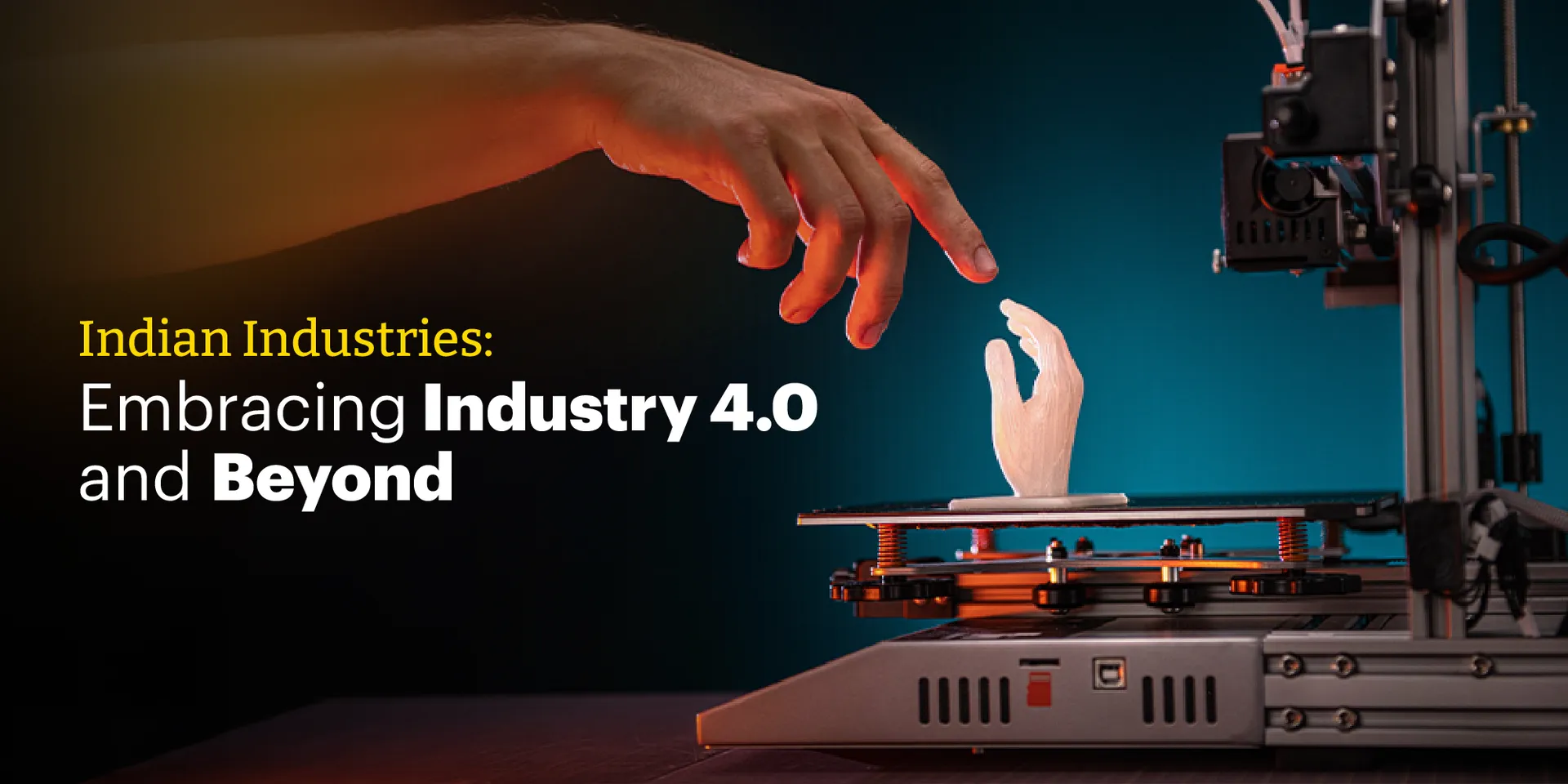
Indian Industries: Embracing Industry 4.0 and Beyond

Introduction

India, a powerhouse in various industries, is rapidly embracing the transformative wave of Industry 4.0. This global trend, characterized by the integration of advanced technologies into manufacturing processes, is revolutionizing traditional factories and paving the way for a more connected and intelligent future. In this blog, we will explore how Indian industries are embracing Industry 4.0 and also
touch upon the concept of Industry 5.0.

Industry 4.0: Transforming Indian Manufacturing

Automation and Robotics: With the adoption of automation and robotics, Indian factories are witnessing significant improvements in productivity, efficiency, and quality. Automated systems are streamlining assembly lines, reducing human error, and allowing for round-the-clock production. This technology is particularly valuable in labor-intensive industries, such as automotive manufacturing and electronics.

Internet of Things (IoT): The IoT has found its way into Indian industries, enabling the interconnection of machines, devices, and systems. Real-time data collection and analysis help optimize operations, enhance predictive maintenance, and minimize downtime. IoT integration is revolutionizing supply chain management, enabling companies to monitor inventory levels, track shipments, and optimize logistics.

Big Data and Analytics: Indian industries are leveraging big data and analytics to extract valuable insights from the vast amounts of data generated. Analyzing production data helps identify bottlenecks, optimize processes, and improve overall efficiency. Data-driven decision-making enables companies to respond swiftly to market demands, identify trends, and develop targeted strategies.

Artificial Intelligence (AI): AI technologies, such as machine learning and cognitive computing, are empowering Indian industries to automate complex tasks and make intelligent decisions. AI-powered systems can analyze patterns, detect anomalies, and predict maintenance requirements. This transformative technology is driving innovation, enhancing product development, and enabling
personalized customer experiences.

India’s Factories: Embracing Industry 4.0 and Looking Towards Industry 5.0 While Industry 4.0 is already making waves in Indian industries, there is growing anticipation for the next wave, Industry 5.0. Industry 5.0 aims to combine the efficiency of automation with the unique problem-solving abilities of humans. It envisions a future where humans and machines work
collaboratively, each leveraging their strengths.

Collaborative Robotics: Industry 5.0 emphasizes the use of collaborative robots, or cobots, that can work alongside humans in factory environments. These robots are designed to assist humans in tasks that require precision, strength, or repetitive actions, freeing up human workers to focus on more creative and complex aspects of production.

Human-Machine Interaction: Industry 5.0 places a strong emphasis on human-machine interaction, enabling workers to communicate with machines intuitively. Advanced user interfaces, such as augmented reality (AR) and virtual reality (VR), provide immersive experiences and simplify complex

operations. Workers can receive real-time guidance, training, and assistance, enhancing their skills and productivity.

Conclusion

The Indian industries are undergoing a significant transformation as they embrace the principles of Industry 4.0. Automation, IoT, big data, and AI are revolutionizing manufacturing processes, leading to increased productivity, efficiency, and competitiveness. Moreover, the concept of Industry 5.0 is on the horizon, promising a future where humans and machines collaborate harmoniously to drive innovation
and problem-solving.

As India’s factories continue their journey towards Industry 4.0 and beyond, it is essential for businesses to invest in technological advancements, upskill their workforce, and foster a culture of innovation. By embracing the power of Industry 4.0 and exploring the possibilities of Industry 5.0, Indian industries are poised to make remarkable strides towards a digitally empowered future.


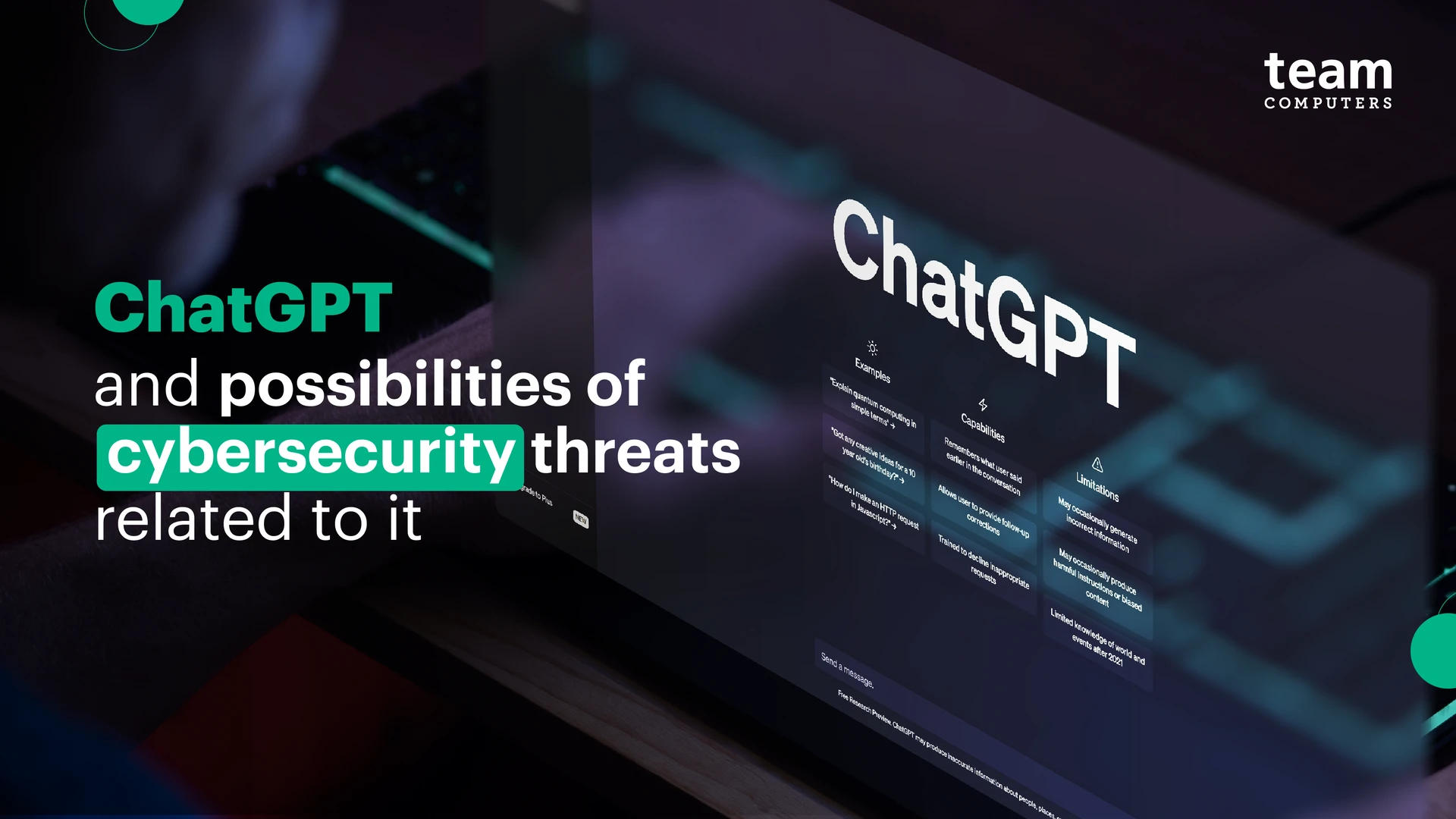
ChatGPT and possibilities of cybersecurity thats related to it

ChatGPT is a state-of-the-art language model developed by OpenAI that uses artificial intelligence to generate human-like responses to user queries. While ChatGPT has numerous benefits, it is also vulnerable to cybersecurity threats.

Possibilities of cybersecurity threats related to ChatGPT and ways to mitigate them.

One of the biggest threats related to ChatGPT is the possibility of it being used to spread misinformation or fake news. Since ChatGPT is trained on a vast corpus of text, it can generate responses that appear to be legitimate but are, in fact, false or misleading. This could be particularly dangerous in situations where people rely on ChatGPT for information, such as in customer service or healthcare settings. To mitigate this threat, it is important to carefully monitor the responses generated by ChatGPT and ensure that they are accurate and trustworthy.

Another potential cybersecurity threat related to ChatGPT is the possibility of it being hacked or manipulated. If an attacker gains access to the ChatGPT system, they could potentially modify the model’s parameters to generate responses that serve their interests. This could include spreading propaganda or even engaging in criminal activities. To prevent this, it is essential to implement strong security measures, such as robust encryption and access control protocols, to protect the ChatGPT system from unauthorized access.

ChatGPT could also be used to conduct phishing attacks or other forms of social engineering. By impersonating a legitimate user or system, an attacker could use ChatGPT to trick people into divulging sensitive information, such as passwords or financial data. To prevent this, it is important to educate users about the risks of social engineering and to implement anti-phishing measures, such as two-factor
authentication and email filters.

So, ChatGPT could be used to conduct automated attacks on websites or other online services. By generating a large number of requests, ChatGPT could potentially overwhelm a target system, leading to a denial of service (DoS) attack. To prevent this, it is essential to implement robust security measures, such as firewalls and intrusion detection systems, to detect and block malicious traffic.

In conclusion, while ChatGPT offers numerous benefits, it is also vulnerable to a range of cybersecurity threats. To mitigate these threats, it is important to implement robust security measures, carefully monitor the responses generated by ChatGPT, and educate users about the risks of social engineering and phishing attacks. With these precautions in place, ChatGPT can continue to serve as a powerful tool for generating human-like responses and enhancing the way we interact with technology.

Modernize your Datacenter

In today’s rapidly evolving technological landscape, organizations are recognizing the immense potential of modernizing their datacenters and embarking on a hybrid journey towards the cloud. This strategic shift not only enhances operational efficiency but also offers substantial cost-saving opportunities. By leveraging the power of cloud computing while maintaining critical on-premises infrastructure,
businesses can achieve a harmonious balance that optimizes performance, scalability, and cost-effectiveness.

The Need for Modernization:

Traditional datacenters often struggle to keep pace with the increasing demands of modern workloads and dynamic business requirements. Aging hardware, limited scalability, and higher maintenance costs can impede innovation and hinder growth. To address these challenges, organizations are embracing datacenter modernization initiatives that leverage cutting-edge technologies and agile methodologies.

Benefits of a Hybrid Cloud Approach:

Flexibility and Scalability: A hybrid cloud strategy enables organizations to scale their infrastructure resources seamlessly. By integrating on-premises datacenters with cloud services, businesses can tap into virtually unlimited computing power, storage, and networking capabilities whenever needed, allowing them to respond swiftly to fluctuating workloads and evolving business needs.

Cost Optimization: The hybrid cloud model offers a compelling cost advantage by allowing organizations to right-size their infrastructure. By moving non-critical workloads to the cloud, businesses can optimize their on-premises datacenters, reducing capital expenditures on hardware, maintenance, and upgrades. Additionally, cloud services offer a pay-as-you-go model, enabling organizations to pay only for the resources they consume, avoiding unnecessary expenses.

Enhanced Security and Compliance: Hybrid cloud solutions provide a robust framework for data security and compliance. While sensitive data can be retained on-premises, less-sensitive workloads can be migrated to the cloud with appropriate security measures in place. This approach allows businesses to meet regulatory requirements and leverage the advanced security features provided by cloud service
providers.

Business Continuity and Disaster Recovery: By leveraging the hybrid cloud, organizations can ensure business continuity and minimize downtime in the event of a disaster. Critical data can be replicated and stored securely in the cloud, providing redundancy and facilitating quick recovery. This approach reduces the risk of data loss and enables businesses to resume operations rapidly, safeguarding revenue and customer trust.

Reducing Total Costs to the Organization:

Infrastructure Consolidation: Modernizing your datacenter allows for infrastructure consolidation, reducing the physical footprint and associated costs such as power consumption, cooling, and facility maintenance. By leveraging virtualization technologies and advanced management tools, organizations can streamline operations and maximize resource utilization, leading to significant cost savings.

Operational Efficiency: Cloud-native technologies and automation tools enable streamlined operations, minimizing manual efforts and associated labor costs. Automated provisioning, monitoring, and

management of resources eliminate repetitive tasks and improve operational efficiency, freeing up IT personnel to focus on more strategic initiatives.

Cost-Effective Scaling: With a hybrid cloud approach, organizations can scale their infrastructure resources on-demand, eliminating the need for over-provisioning and upfront investments in hardware. This pay-as-you-go model ensures that businesses only pay for what they use, optimizing costs while maintaining the flexibility to accommodate changing workload requirements.

Reduced Maintenance and Upgrade Costs: By shifting to the cloud for non-critical workloads, organizations can reduce the burden of maintaining and upgrading on-premises hardware and software. Cloud service providers handle infrastructure maintenance, software updates, and security patches, saving both time and costs associated with routine maintenance activities.

Conclusion:

Modernizing your datacenter and embarking on a hybrid cloud journey holds immense potential for organizations seeking to enhance operational efficiency and reduce total costs. By leveraging the flexibility, scalability, and cost optimization benefits of the hybrid cloud model, businesses can achieve. Reach out to Team Computers to know how to make a hassle free journey towards modernizing your datacenter at rashi.verma@teamcomputers.com

Necessity of Cyberinsurance

The Necessity of Cyber Insurance for Enterprises in India’s Current Threat Landscape

In today’s digital age, where technology powers businesses, cyber threats have become a growing concern for enterprises worldwide, including in India. With the ever-increasing cyber exposure and evolving threat landscape, it has become crucial for Indian businesses to adopt comprehensive cybersecurity measures, including investing in cyber insurance. 

India’s Cyber Exposure and Threats

Rising Cybercrimes in India 

India has witnessed a significant rise in cybercrimes in recent years. From data breaches to ransomware attacks, enterprises across various sectors have fallen victim to sophisticated cyber threats. The evolving threat landscape poses a constant risk to businesses, their sensitive information, and their reputation.

Vulnerabilities in the Digital Infrastructure 

India’s rapid digitization has led to an expansion of the attack surface, making businesses vulnerable to cyber threats. The interconnectedness of systems, increasing use of cloud services, and the proliferation of mobile devices have created new avenues for cybercriminals to exploit. Enterprises need to recognize the importance of cybersecurity and take proactive measures to safeguard their digital infrastructure.

Combating Cyber Threats in India

Strengthening Cybersecurity 

Measures Indian enterprises have been increasingly investing in robust cybersecurity measures to counter cyber threats. From implementing advanced firewalls and intrusion detection systems to conducting regular security audits, businesses are taking steps to fortify their defenses. However, no security system is foolproof, and cyber insurance provides an additional layer of protection.

Importance of Cyber Insurance

Cyber insurance offers financial protection and assistance to businesses in the event of a cyber incident. It covers various aspects such as data breach response, legal costs, public relations efforts, and even potential business interruption losses. Cyber insurance helps enterprises mitigate the financial and reputational risks associated with cyberattacks, facilitating a faster recovery and minimizing the impact on operations.

Conclusion

In India’s current threat landscape, cyber insurance is a necessary tool for enterprises to effectively manage cyber risks. The rising cybercrimes and vulnerabilities in the digital infrastructure highlight the need for comprehensive cybersecurity measures. While organizations strive to strengthen their security defenses, cyber insurance serves as a safety net, providing financial support in the aftermath of a cyber incident.

By investing in cyber insurance, Indian enterprises can transfer a portion of their cyber risks to insurance providers, allowing them to focus on their core business activities without constantly worrying about potential cyber threats. As the threat landscape continues to evolve, cyber insurance will play a crucial role in helping businesses navigate the challenges of the digital age and safeguard their operations, reputation, and customer trust.

In conclusion, cyber insurance is no longer an optional consideration but a necessary component of an enterprise’s risk management strategy. Enterprises in India must recognize the importance of cyber insurance and work closely with insurance providers to tailor policies that align with their unique cybersecurity needs. By doing so, they can effectively navigate the complex and ever-changing threat landscape, protecting their business interests and ensuring long-term resilience in the face of cyber threats.

To know more on cyberinsurance Reach out to us at esmarketing@teamcomputers.com