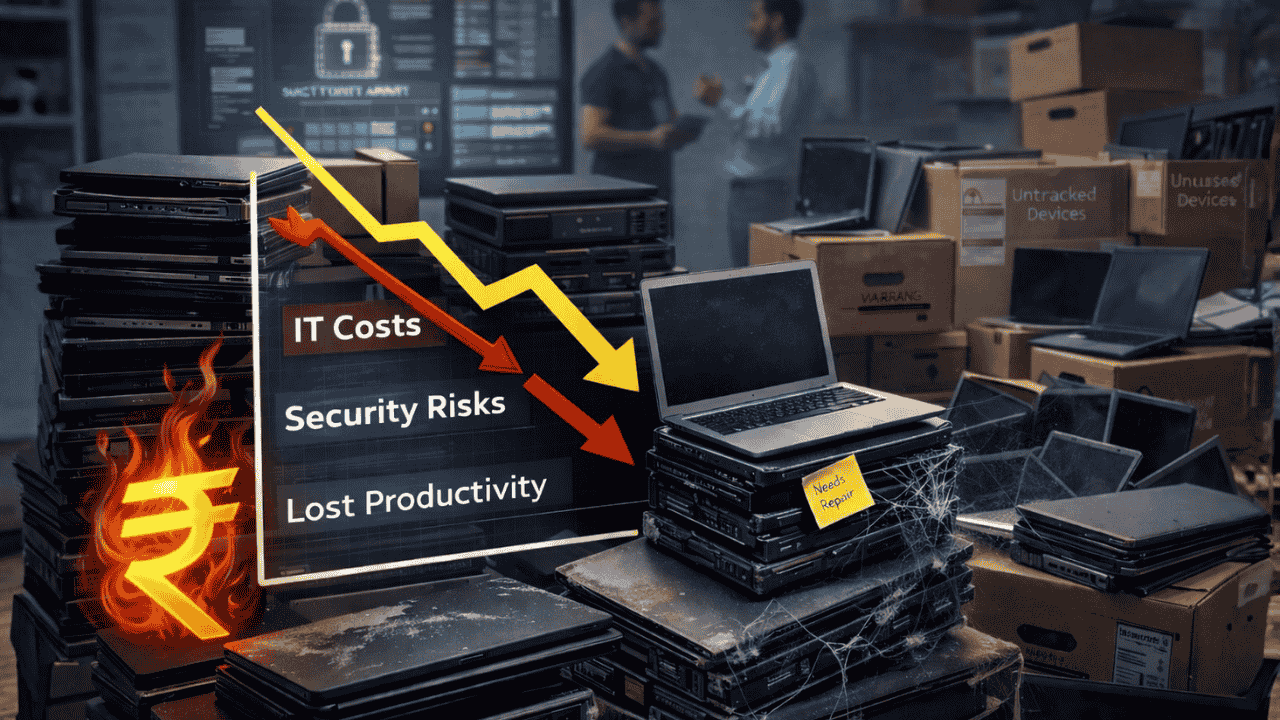
Old Devices May Be Quietly Draining Lakhs from Your IT Budget

Most IT leaders track procurement costs carefully.

But what if the real cost of devices isn’t the purchase price?

Across large organizations, outdated laptops, unmanaged endpoints, and poorly tracked devices quietly drain IT budgets every year. Individually, these issues appear minor—a slow laptop here, a support ticket there. But across hundreds or thousands of employees, the hidden cost can quickly escalate into lakhs lost annually.

For CIOs and IT leaders responsible for enterprise infrastructure, this isn’t just an operational issue. It’s a financial one.

The challenge is simple: most of these losses remain invisible in traditional IT budgeting.

The Hidden Cost of Aging Devices

Devices don’t usually fail overnight. They degrade slowly.

Performance drops. Boot times increase. Applications crash more frequently. Batteries deteriorate. Security vulnerabilities grow.

Each problem seems manageable in isolation.

But across an enterprise environment, aging devices often create four major hidden costs.

1. Productivity Loss Across Teams

Slow devices directly affect employee productivity.

Imagine an employee losing 10 minutes per day due to slow boot times, freezing applications, or system crashes.

Across a workforce of 500 employees, that equals:

  • 5,000 minutes lost daily
  • Over 1,600 hours lost every month

Multiply that by average employee cost, and the impact becomes clear. What looks like a small inconvenience quickly becomes a major operational expense.

2. Rising IT Support Costs

Older devices generate more support tickets.

Common issues include:

  • System crashes
  • Storage failures
  • Battery problems
  • OS compatibility issues
  • Application instability

IT teams often spend a disproportionate amount of time managing devices that should have been refreshed years earlier.

Instead of focusing on strategic initiatives like digital transformation or security upgrades, IT teams become stuck in constant troubleshooting cycles.

For large organizations, this means higher support costs and slower innovation.

3. Increased Security Risk

Outdated devices also create serious security exposure.

Older systems are more vulnerable because they often:

  • Miss security updates
  • Run outdated operating systems
  • Support legacy software
  • Have weaker hardware security protections

In regulated industries like BFSI, healthcare, and manufacturing, unmanaged devices can create compliance issues.

Security breaches today are rarely caused by sophisticated attacks alone. In many cases, they exploit old devices that were never upgraded or monitored properly.

4. Unplanned Replacement Costs

One of the biggest financial surprises in IT budgets comes from reactive replacements.

When devices fail unexpectedly, organizations must replace them urgently. This leads to:

  • Emergency procurement
  • Higher purchase costs
  • Delayed employee productivity
  • Increased IT workload

Reactive replacements are always more expensive than planned refresh cycles.

Without a structured device lifecycle strategy, organizations often find themselves replacing large numbers of devices suddenly—creating unpredictable budget spikes.

Why These Costs Often Go Unnoticed

The biggest challenge is visibility.

Most organizations track procurement spending, but very few track the total cost of ownership (TCO) of their devices.

Hidden costs such as:

  • employee downtime
  • IT troubleshooting hours
  • lost productivity
  • security risk exposure

are rarely captured in traditional IT reporting.

As a result, companies may believe they are saving money by delaying device upgrades—when in reality they are spending far more in indirect costs.

How Leading IT Teams Are Solving the Problem

Forward-thinking enterprises are moving away from reactive device management and adopting structured device lifecycle strategies.

Instead of treating devices as one-time purchases, they manage them as long-term assets with measurable performance and cost impact.

Here are four approaches leading IT teams are using today.

1. Device Lifecycle Tracking Across Locations

Large enterprises often operate across multiple offices, cities, or even countries.

Without proper tracking systems, devices can easily become invisible assets.

Lifecycle tracking helps IT teams monitor:

  • device age
  • performance metrics
  • warranty status
  • user assignments
  • service history

This visibility allows organizations to identify underperforming devices before they become operational problems.

2. Performance Monitoring Before Failures Occur

Modern endpoint management tools allow IT teams to monitor device performance in real time.

Metrics such as:

  • CPU utilization
  • battery health
  • storage performance
  • system errors

can indicate when a device is approaching failure.

Instead of reacting after employees experience issues, IT teams can resolve problems proactively.

3. Planned Device Refresh Cycles

Leading organizations typically follow structured 3-4 year refresh cycles for enterprise devices.

Planned refresh programs allow companies to:

  • avoid sudden large replacement costs
  • maintain consistent performance across teams
  • negotiate better pricing through bulk procurement

Most importantly, planned refresh cycles ensure that devices never reach the point where they significantly affect productivity.

5. Standardized Device Deployment

Another major improvement comes from device standardization.

When organizations deploy too many device models, IT teams face increased complexity.

Standardized deployments provide:

  • better compatibility
  • easier maintenance
  • faster troubleshooting
  • consistent user experience

This approach significantly reduces long-term support costs.

The Real Opportunity for Enterprises

For companies managing hundreds or thousands of devices, the real opportunity isn’t just buying devices smarter.

It’s managing them smarter.

Device lifecycle management focuses on the full journey of enterprise devices:

  • planning
  • procurement
  • deployment
  • monitoring
  • refresh
  • retirement

When managed strategically, this lifecycle approach helps organizations reduce hidden costs while improving operational efficiency.

Why Lifecycle Management Matters More Than Ever

Workplaces today are more digital than ever.

Employees depend on reliable devices for:

  • collaboration
  • productivity
  • security
  • customer service

A slow or failing device is no longer just an inconvenience—it directly impacts business outcomes.

That’s why enterprises are increasingly investing in structured device lifecycle management frameworks to ensure every device performs optimally throughout its life.

The Bottom Line

Sometimes the biggest IT savings don’t come from negotiating a better device price.

They come from eliminating the hidden costs that outdated devices create.

For organizations managing large device fleets, improving lifecycle visibility can reveal where money is quietly leaking—and help stop those losses before they affect productivity or budgets.

Because the real question isn’t just: “How much did we spend on devices?”

It’s: “How much are those devices costing us every day?”


If your organization manages hundreds or thousands of devices, it may be time to evaluate the hidden costs inside your device ecosystem.

A structured device lifecycle assessment can help identify:

  • aging devices affecting productivity
  • hidden support costs
  • refresh planning opportunities
  • lifecycle management improvements

Talk to the Team Computers experts to explore how smarter device lifecycle management can reduce IT costs and improve operational efficiency.
24×7 NOC Monitoring: The Foundation of Reliable IT Infrastructure

 Modern enterprises depend heavily on technology to drive customer experiences and daily operations. From cloud environments to complex on-premise networks, every component must function flawlessly. However, as IT environments scale, manual monitoring becomes an impossible task. A single system failure at 3:00 AM can lead to hours of downtime, lost revenue, and damaged reputation.

This is why 24×7 NOC Monitoring is no longer a luxury, it is a necessity. A dedicated Network Operations Center (NOC) ensures that your infrastructure is watched, managed, and optimized every second of the day, moving your IT strategy from reactive “firefighting” to proactive management.

What Is a Network Operations Center (NOC)?

A Network Operations Center is the heartbeat of IT reliability. It is a centralized hub where specialized engineers monitor and manage an organization’s entire digital ecosystem.

Key areas of focus include:

  • Network Performance: Ensuring seamless connectivity and bandwidth availability.
  • Server & Data Center Health: Monitoring physical and virtual server uptime.
  • Cloud & Application Tiers: Tracking performance across hybrid and multi-cloud environments.
  • Security Alerts: Identifying unauthorized access or unusual traffic patterns.

Why 24×7 NOC Monitoring Is Essential for Enterprises

In a global economy, “business hours” don’t exist. Your infrastructure must be as resilient as your ambitions.

  • Always-On Business: With customers and employees across time zones, a midnight crash in one region is a midday crisis in another.
  • Infrastructure Complexity: The mix of legacy systems and modern cloud apps requires sophisticated, continuous oversight.
  • Rapid Incident Mitigation: The goal of 24×7 monitoring isn’t just to see a problem—it’s to solve it before the end-user even notices.

Key Functions of Effective NOC Monitoring

A high-performing NOC does more than just watch green lights. It performs several critical roles:

  1. Continuous Infrastructure Tracking: Real-time visibility into every node of your network.
  2. Intelligent Alerting: Filtering through the “noise” to identify high-priority issues that require immediate action.
  3. Root Cause Analysis: Not just fixing the symptom, but identifying why the failure occurred to prevent it from happening again.
  4. Performance Optimization: Using historical data to suggest infrastructure upgrades or configuration changes.

Benefits of Professional 24×7 Monitoring

Partnering with a managed services provider for NOC monitoring offers distinct advantages:

  • Drastic Reduction in Downtime: Proactive detection means fewer outages.
  • Operational Cost Savings: Eliminates the need for an expensive, in-house, round-the-clock IT shift.
  • Enhanced Security: Constant vigilance over system logs helps catch threats early.
  • Scalability: As your business grows, your monitoring scales with you without adding internal overhead.

The Shift Toward Proactive IT Operations

Traditional monitoring is reactive, fixing things when they break. Modern NOC services have evolved. By utilizing advanced automation and data analytics, today’s NOC can predict potential failures. This transition to “Predictive IT” ensures that maintenance happens before a crash, not after.

Reliable IT infrastructure is the backbone of digital growth. 24×7 NOC Monitoring provides the visibility and control needed to stay competitive in an era where downtime is not an option. By integrating continuous monitoring into your operations, you ensure that your technology supports your business goals rather than hindering them.

Is your IT infrastructure ready for the demands of a 24×7 world? Discover how Team Computers Managed Services provides robust, proactive NOC monitoring to keep your business running at peak performance—day and night.

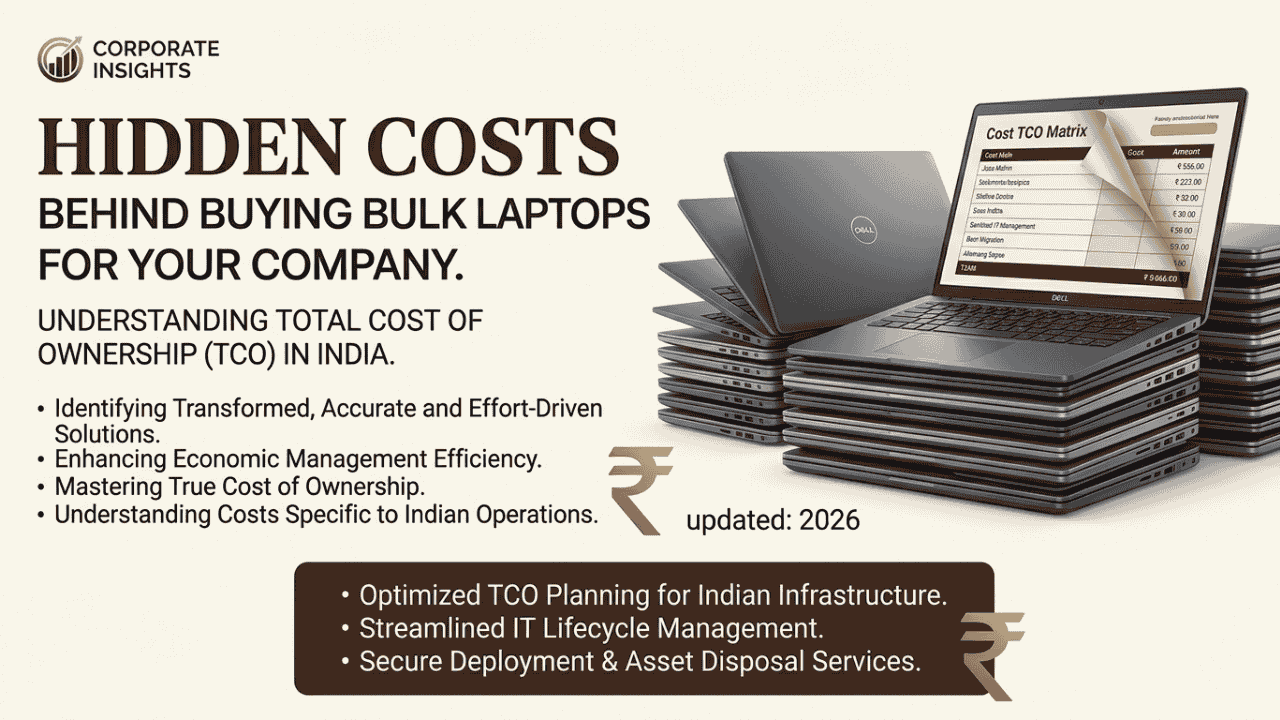
The Hidden Costs of Bulk Device Purchasing Without Proper Management

For most growing enterprises, bulk device procurement is a routine exercise. Whether it is laptops for new employees, tablets for frontline teams, or desktops for branch offices, IT and procurement teams frequently purchase devices in large volumes to support expansion.

At first glance, bulk purchasing seems efficient. Organizations secure better pricing, simplify vendor negotiations, and standardize hardware across teams.

However, many enterprises overlook a critical aspect after procurement: device lifecycle management.

Without a structured approach to tracking, maintaining, and securing devices across their lifecycle, organizations often face hidden operational costs. These costs rarely appear in the procurement budget but surface later through downtime, security incidents, asset loss, and support inefficiencies.

For IT heads managing multiple offices and thousands of endpoints, ignoring lifecycle management can quickly turn a cost-saving decision into a long-term operational challenge.

Bulk Procurement: Only the First Step

Bulk procurement solves one problem—hardware acquisition. But devices continue to generate operational responsibilities long after they are delivered.

Once deployed, each device requires:

  • Configuration and onboarding
  • Security policy enforcement
  • Software updates and patching
  • Asset tracking
  • Technical support
  • Replacement planning

Without proper device lifecycle management, IT teams struggle to maintain visibility over these processes.

In organizations with distributed offices, this lack of control becomes even more pronounced. Devices may move between teams, remain unused, or operate with outdated software—all of which increase risk and inefficiency.

Hidden Cost #1: Lost Asset Visibility

One of the most common issues in large enterprises is losing track of devices after deployment.

When organizations purchase hundreds or thousands of devices in bulk but lack centralized tracking systems, IT teams often face questions such as:

  • Which employee currently has the device?
  • Is the device still active?
  • Has it been reassigned or replaced?
  • Is it still under warranty?

Without proper asset visibility, organizations may unknowingly purchase new devices while existing ones remain unused.

This leads to unnecessary capital expenditure and poor asset utilization.

A structured device lifecycle management system helps maintain a real-time inventory of all endpoints, ensuring devices are used effectively across teams and locations.

Hidden Cost #2: Increased IT Support Burden

Unmanaged devices tend to create more support tickets.

Employees may operate outdated operating systems, miss critical patches, or install unauthorized software. When devices are not monitored centrally, IT teams often learn about these issues only after they disrupt productivity.

For organizations with multiple branch offices, the situation becomes even more complex. Supporting devices across locations without centralized management increases response time and operational overhead.

With proper lifecycle management, IT teams can automate updates, enforce security policies, and monitor device health remotely. This significantly reduces the support workload and ensures devices remain reliable.

Hidden Cost #3: Security and Compliance Risks

Security risks increase significantly when devices are not actively managed.

Unpatched operating systems, outdated applications, or unsecured devices can become entry points for cyber threats. In industries such as BFSI, healthcare, or manufacturing, these vulnerabilities may also lead to compliance violations.

A single compromised device can expose sensitive corporate data or disrupt business operations.

A robust device lifecycle management strategy ensures that:

  • Security patches are applied regularly
  • Devices comply with corporate security policies
  • Lost or stolen devices can be remotely locked or wiped

This proactive approach reduces security risks and protects enterprise data.

Hidden Cost #4: Device Downtime and Productivity Loss

Device failures often occur gradually. Batteries degrade, storage fills up, and system performance declines over time.

Without lifecycle monitoring, IT teams typically react only when devices fail completely. This results in unexpected downtime and lost productivity for employees.

For frontline teams or customer-facing roles, even short disruptions can affect business performance.

Lifecycle management enables IT teams to monitor device health, anticipate failures, and schedule replacements proactively. This ensures minimal disruption to day-to-day operations.

Hidden Cost #5: Inefficient Device Replacement Cycles

Most enterprises follow informal replacement cycles based on employee complaints or device failures. While this may seem practical, it often leads to inconsistent hardware performance across teams.

Some employees may use outdated devices for years, while others receive upgrades prematurely.

Without proper lifecycle data, IT teams cannot accurately determine when devices should be replaced.

A structured device lifecycle management framework provides insights into device age, performance trends, and warranty status. This allows organizations to plan upgrades strategically rather than reactively.

Hidden Cost #6: Warranty and Support Mismanagement

Bulk device purchases often include warranties and vendor support agreements. However, these benefits are frequently underutilized because organizations fail to track them properly.

Devices may remain unused during their warranty period or may require repairs after the warranty expires.

This leads to avoidable repair costs.

Lifecycle management systems track warranty coverage, enabling IT teams to take timely action when devices require service or replacement.

Building an Effective Device Lifecycle Strategy

For enterprises managing large device fleets, device lifecycle management must be integrated into IT operations from day one.

A strong lifecycle strategy typically includes:

  • Centralized device inventory tracking
  • Automated provisioning and onboarding
  • Remote monitoring and management
  • Regular patching and updates
  • Planned device refresh cycles

These processes ensure that devices remain secure, efficient, and productive throughout their lifecycle.

Why IT Leaders Are Prioritizing Lifecycle Management

For IT heads and procurement leaders, the focus is gradually shifting from device procurement to device optimization.

The goal is not just to buy devices at the best price but to ensure those devices deliver value throughout their operational life.

When implemented correctly, device lifecycle management helps organizations:

  • Improve asset utilization
  • Reduce IT support workload
  • Strengthen security posture
  • Extend device lifespan
  • Plan upgrades more efficiently

These benefits translate into lower operational costs and better overall productivity.

Conclusion

Bulk device procurement may seem like a straightforward cost-saving strategy, but without proper management, it often leads to hidden operational expenses.

From lost assets and increased support requests to security risks and unplanned downtime, unmanaged devices create challenges that affect both IT teams and business operations.

A structured device lifecycle management approach ensures that organizations maintain visibility, security, and performance across their entire device fleet.

For enterprises managing thousands of endpoints across multiple offices, this shift is no longer optional. It is essential for maintaining operational efficiency and maximizing the return on technology investments.

Why Enterprise Workflow Automation Is the Key to Faster Business Operations

In many enterprises, critical business processes still rely on manual coordination between systems. Employees transfer data between applications, update spreadsheets, and send emails to trigger the next step in a workflow.

These manual processes slow operations and increase the risk of human error.

Enterprise Workflow Automation addresses this challenge by connecting systems so that processes execute automatically.

When supported by systems integration, workflows can move seamlessly between enterprise applications – triggering actions, updating data, and notifying teams without manual intervention.

Studies show that organizations implementing workflow automation can reduce operational processing times by [STAT: up to 40%].

This blog explores how Enterprise Workflow Automation powered by systems integration enables organizations to streamline operations and improve productivity.

Why Manual Workflows Limit Enterprise Productivity

Many enterprise processes involve coordination across multiple systems and departments, which can make workflows complex and time-consuming. Common examples include employee onboarding, customer order processing, invoice approvals, and supply chain coordination, all of which often require data to move between several applications. When these workflows depend heavily on manual actions, organizations face several operational challenges.

Teams may deal with repetitive administrative tasks, delayed approvals, and inconsistent data updates across systems, leading to inefficiencies and errors. As a result, employees spend a significant portion of their time performing routine activities that automation could easily handle. This lack of streamlined processes ultimately reduces productivity, slows operational efficiency, and limits business growth.

By implementing integrated automation frameworks, enterprises can significantly improve workflow performance and operational outcomes. For deeper insights, see Driving Operational Efficiency Through Enterprise Systems Integration.

How Systems Integration Enables Enterprise Workflow Automation

Enterprise workflow automation relies on integrated enterprise systems that allow applications to communicate seamlessly with one another. When systems such as CRM, ERP, HR platforms, and accounting tools are connected, organizations can automate processes end-to-end without manual intervention.

For example, in customer order processing, orders placed through digital platforms can automatically update CRM, ERP, and inventory systems in real time. In finance operations, invoices generated in accounting platforms can trigger automated approval workflows, reducing delays and administrative effort.

Similarly, during HR onboarding, employee information entered into HR systems can automatically provision access to enterprise applications and internal tools. These integrated workflows significantly improve operational speed while minimizing manual tasks.

As a result, organizations adopting Enterprise Workflow Automation experience measurable efficiency gains, including reduced operational costs, improved process accuracy, faster business operations, and enhanced employee productivity, as teams are freed from repetitive tasks and can focus on higher-value strategic work.

How Team Computers Supports Workflow Automation Initiatives

Team Computers helps enterprises implement Enterprise Workflow Automation solutions powered by robust systems integration. By connecting critical business applications and infrastructure, we enable organizations to automate complex processes and improve operational efficiency.
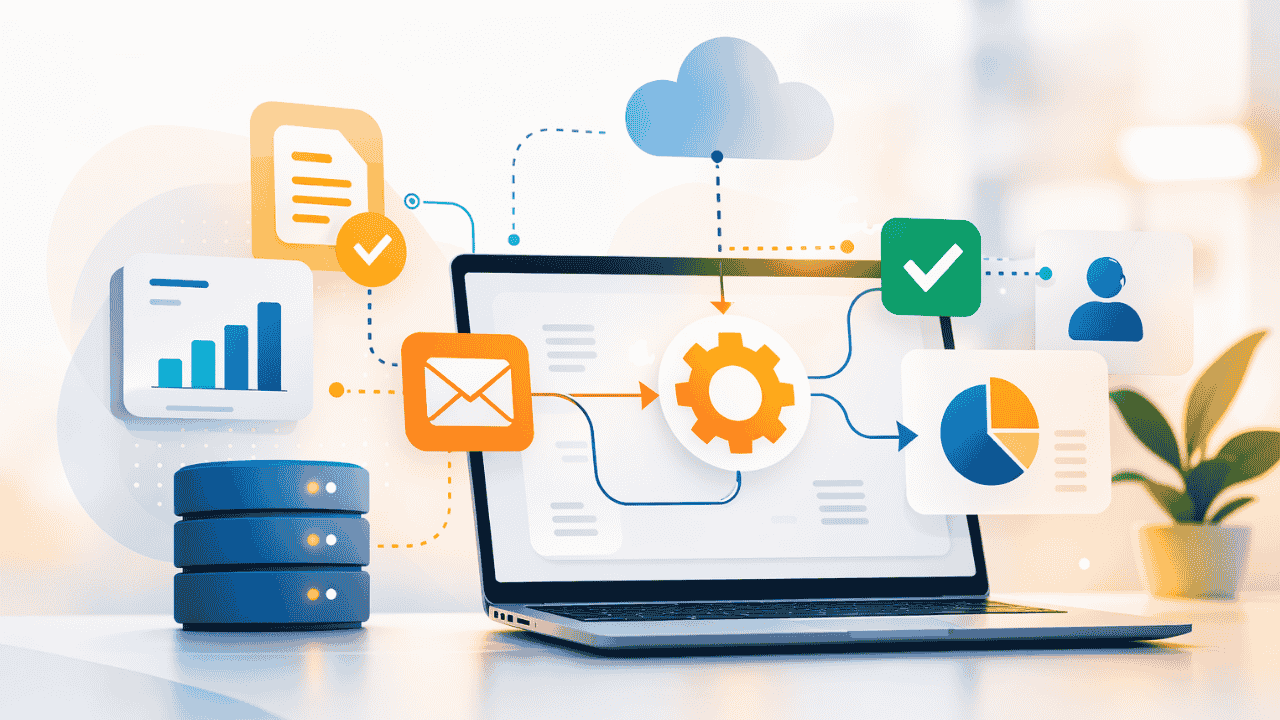
Our capabilities include enterprise application integration, workflow orchestration frameworks, and hybrid infrastructure integration, ensuring seamless communication between systems across cloud and on-premise environments.

By bringing enterprise systems together into cohesive, automated workflows, we help organizations streamline operations, reduce manual intervention, and scale their business processes more efficiently. For deeper insights, explore: Hybrid IT Systems Integration for Scalable Enterprise Infrastructure.

Manual workflows can significantly slow enterprise operations.

By implementing Enterprise Workflow Automation powered by systems integration, organizations can transform fragmented processes into streamlined digital workflows.

Key takeaways:

  • Automation eliminates repetitive manual tasks
  • Integrated systems enable seamless workflows
  • Operational efficiency improves across departments
  • Organizations gain faster and more reliable processes

Explore how Team Computers can help automate enterprise workflows through intelligent systems integration, enabling faster operations and greater productivity across your organization.

Modernizing Enterprise IT Through Legacy System Integration

Many large enterprises still rely on legacy systems that power critical business operations. These platforms often manage finance, supply chain processes, or customer data that organizations cannot easily replace.

However, legacy systems frequently struggle to integrate with modern technologies such as cloud platforms, analytics tools, and digital applications.

This creates a major challenge for IT leaders: how to innovate without disrupting systems that businesses still depend on.

Legacy system integration offers a practical path forward. Instead of replacing legacy platforms entirely, integration allows enterprises to connect them with modern applications and infrastructure.

In this blog, we explore how legacy system integration enables organizations to modernize their IT environments while preserving critical operational systems.

Why Legacy Systems Still Matter in Enterprises

Despite rapid technological innovation, legacy platforms remain essential for many enterprises because they continue to support critical business operations. These systems often handle key functions such as financial processing, supply chain operations, regulatory compliance systems, and mission-critical databases that organizations rely on daily.

Replacing these platforms entirely can be both risky and expensive, as it may disrupt core processes and require significant time and investment. However, legacy systems also present several challenges.

They often have limited compatibility with modern applications, outdated interfaces, and a lack of real-time data capabilities, which makes it difficult for organizations to integrate them with newer technologies. As a result, these limitations can slow down digital transformation initiatives and prevent enterprises from fully leveraging modern IT innovations.

How Legacy System Integration Enables IT Modernization

Legacy system integration bridges the gap between older infrastructure and modern technologies, allowing organizations to modernize their IT environments without replacing critical systems. Through effective integration, enterprises can connect legacy databases with modern analytics platforms, expose legacy system data through APIs, and automate workflows between legacy and cloud systems.

This approach enables businesses to leverage the capabilities of existing platforms while extending their functionality within modern digital ecosystems. As a result, organizations benefit from faster innovation without the need for full system replacement, improved access to enterprise data, and significantly lower modernization costs.

By integrating legacy systems into broader IT architectures, enterprises can continue using reliable platforms while supporting digital transformation initiatives. For more insights, read Future-Ready IT Infrastructure with Enterprise Systems Integration,

Integration Approaches for Legacy Systems

Organizations can modernize legacy environments through several effective legacy system integration strategies that connect older platforms with modern technologies. One common approach is API wrapping, where legacy system capabilities are exposed through APIs, allowing modern applications to access their data and functions easily.

This method enables faster application connectivity and improved system interoperability without altering the core legacy system. Another approach is middleware integration, where middleware platforms act as translators between legacy and modern systems, enabling seamless data transformation, communication, and workflow automation across different applications. Additionally, data synchronization tools allow legacy databases to sync with modern data platforms, ensuring that information remains consistent and accessible.

This integration enables enterprises to leverage real-time analytics and insights across enterprise systems, helping organizations modernize their IT environments while preserving the value of existing legacy infrastructure.

How Team Computers Supports Legacy System Integration

Team Computers helps enterprises integrate legacy systems into modern IT environments without disrupting business operations.

Our approach focuses on:

  • assessing legacy infrastructure
  • designing integration architectures
  • implementing scalable connectivity frameworks

With decades of experience in enterprise IT environments, we ensure legacy systems continue delivering value while supporting modern digital initiatives.

“Legacy systems still power many enterprise operations. Integration allows organizations to unlock their data and capabilities while adopting modern technologies.”
– Head of IT, Team Computers

Legacy systems remain deeply embedded in enterprise environments.

However, organizations do not need to replace them to achieve modernization.

Legacy system integration enables enterprises to connect existing platforms with modern applications and infrastructure.

Key takeaways:

  • Legacy systems still support critical business processes
  • Integration bridges the gap between old and new technologies
  • Modern APIs and middleware enable seamless connectivity
  • Integration supports digital transformation without disruption

Explore how Team Computers can help modernize your IT ecosystem through secure and scalable legacy system integration – allowing you to innovate without compromising critical business systems.

The CIO’s Guide to Enterprise Systems Integration Strategy

CIOs today face a difficult balancing act. They must modernize infrastructure, adopt cloud platforms, improve cybersecurity, and support data-driven innovation—all while managing complex legacy systems.

Without a clear Enterprise Systems Integration Strategy, technology investments often create more fragmentation rather than efficiency.

Disconnected platforms, incompatible applications, and inconsistent data flows slow down business operations and limit the return on IT investments.

An effective Enterprise Systems Integration Strategy provides the roadmap needed to connect enterprise systems into a cohesive technology ecosystem.

In this guide, we explore how CIOs can build integration strategies that support scalable infrastructure, improve data visibility, and accelerate digital transformation.

Why CIOs Must Prioritize Systems Integration Strategy

Enterprise IT environments are becoming increasingly complex as organizations adopt multiple technologies to support their operations. Today, most enterprises run a mix of cloud platforms, on-premise infrastructure, SaaS applications, and legacy enterprise systems. While each system serves a specific business function, they often operate independently without a structured integration framework.

This lack of connectivity can lead to fragmented enterprise data, inconsistent operational workflows, and higher infrastructure management costs. Over time, these challenges reduce the effectiveness of technology investments and slow down decision-making. A well-defined integration strategy helps connect these systems into a unified ecosystem, ensuring that enterprise technologies work together seamlessly rather than functioning in isolation.

Core Pillars of an Enterprise Systems Integration Strategy

A successful enterprise systems integration strategy is built on three critical pillars: integration architecture, data integration, and security integration. First, enterprises must define a clear integration architecture that determines how applications, data, and infrastructure interact across the IT ecosystem. Common approaches include API-driven integration, event-driven architecture, and middleware-based integration, each designed to support different business objectives and technology environments.

The second pillar, data integration, ensures that information flows consistently and accurately across systems, enabling organizations to achieve unified business intelligence, real-time analytics, and improved operational visibility.

Finally, security integration is essential because cybersecurity cannot exist as a separate layer in modern IT environments. Instead, security controls must extend across cloud infrastructure, enterprise applications, and endpoint environments, ensuring that all integrated systems remain protected while data moves seamlessly between them. For a deeper understanding of how integration strengthens security frameworks, read

Also read: How Systems Integration Services Improve Enterprise IT Performance

Best Practices for CIOs Implementing Integration Strategies

Successful enterprise systems integration strategies rely on clear implementation principles that guide organizations through complex IT environments. One of the first steps is conducting a comprehensive IT ecosystem assessment to understand how existing applications, infrastructure, and data platforms interact.

Once this visibility is established, enterprises should prioritize high-impact integrations that deliver immediate operational value while supporting long-term digital goals. Standardizing APIs and data formats is another critical practice, as it ensures seamless communication between systems and reduces compatibility issues.

Additionally, implementing centralized monitoring systems allows IT teams to track integrations, detect performance issues, and maintain operational stability. By following these best practices, organizations can significantly reduce integration risks while accelerating implementation outcomes and improving overall IT efficiency.

How Team Computers Helps CIOs Execute Integration Strategies

Team Computers supports enterprises in designing and implementing scalable Enterprise Systems Integration Strategy frameworks.

Our approach focuses on aligning integration architecture with business objectives.

Our capabilities include:

  • enterprise architecture consulting
  • hybrid IT integration
  • data platform connectivity
  • infrastructure modernization

With decades of experience supporting enterprise environments, we help CIOs transform fragmented systems into cohesive digital ecosystems.

Enterprise technology environments will continue to grow in complexity.

A well-defined Enterprise Systems Integration Strategy helps CIOs maintain control while enabling innovation.

Key takeaways:

  • Integration strategies align technology investments with business outcomes
  • Structured architectures reduce IT complexity
  • Unified data ecosystems improve decision-making
  • Strategic integration accelerates digital transformation

If your organization is navigating complex IT ecosystems, Team Computers can help you design a scalable Enterprise Systems Integration Strategy that connects systems, data, and infrastructure for long-term success.

What Happens at 3:07 AM During a Cyber Attack?

Most enterprise leaders have never seen a cyber attack in motion.

They’ve seen dashboards.
They’ve seen alerts.
They’ve seen post-incident reports.

But very few have walked through what actually happens between the moment a malicious email is opened and the moment data leaves the building.

Let’s simulate 3:07 AM.

No drama. No exaggeration. Just reality.

3:07 AM — The Entry

An employee credential was harvested two days ago through a convincingly written AI-generated email. No malware. No suspicious attachments. Just authentication reuse.

The attacker logs in using valid credentials.

There is no firewall breach.

There is no loud alarm.

From a system perspective, it looks like a user signing in from a slightly unusual location.

That anomaly is small enough to be ignored.

3:12 AM — Privilege Escalation

The attacker runs automated scripts to identify:

  • Admin accounts
  • Shared drives
  • Cloud storage repositories
  • Backup configurations

AI tools help map the environment in minutes.

This used to take hours.

Now it takes less than ten minutes.

3:19 AM — Lateral Movement

The system does not recognize it as malicious activity because:

  • The login credentials are valid
  • The behavior mimics human interaction
  • The movement pattern stays below detection thresholds

No ransomware yet.

Just quiet observation.

3:32 AM — Data Packaging

Sensitive files are compressed.

Financial records.
Intellectual property.
Customer databases.

Data exfiltration begins in small encrypted packets to avoid traffic spikes.

Most monitoring systems flag volume, not subtle patterns.

4:10 AM — The Decision

Now the attacker has options:

  • Sell data silently
  • Launch ransomware
  • Deploy double extortion

By the time employees log in at 9 AM, the breach has already matured.

Why This Scenario Matters

The majority of modern attacks do not “break in.”
They log in.

AI has removed friction from reconnaissance and automation from exploitation.

The uncomfortable truth:
Security designed around perimeter defense and signature detection cannot always identify identity-based threats early enough.

This is not about panic.

It is about clarity.

The Real Question

If an attack began tonight at 3:07 AM:

  • How quickly would you know?
  • Would detection happen before data exfiltration?
  • Would response be automated or manual?
  • Would leadership find out from internal alerts or public disclosure?

Cyber resilience is not about tools.
It is about time.

Detection time.
Response time.
Containment time.

The 3 AM question is simple:

Do you know what would happen?

Reducing IT Complexity Through Enterprise Systems Integration

Enterprise IT environments have grown significantly more complex over the past decade. Organizations now operate across hybrid cloud platforms, on-premise infrastructure, enterprise applications, and distributed networks. While these technologies enable innovation and digital transformation, they also introduce operational challenges when systems are deployed without coordination.

Many enterprises find themselves managing fragmented technology ecosystems where applications, infrastructure, and security tools operate independently. This lack of connectivity creates inefficiencies, limits visibility across operations, and increases the burden on IT teams.

Enterprise systems integration addresses this challenge by connecting technologies into a unified operational framework. Instead of managing isolated systems, organizations gain a cohesive architecture where platforms communicate seamlessly and data flows efficiently across the enterprise.

For companies pursuing digital growth, reducing IT complexity is not simply about simplifying infrastructure. It is about creating an integrated environment that supports scalability, operational efficiency, and long-term innovation. In this article, we explore how enterprise systems integration helps organizations streamline IT operations and build more resilient digital ecosystems.

The Growing Complexity of Enterprise IT Environments

Modern enterprises rely on a wide range of technologies to support daily operations and digital initiatives. Over time, these technologies accumulate across different departments, business units, and locations.

An enterprise environment today may include cloud platforms, on-premise data centers, SaaS applications, cybersecurity tools, and distributed user networks. While each system serves a specific purpose, they often evolve independently, resulting in fragmented IT infrastructures.

When systems operate without proper integration, IT teams must manage multiple monitoring tools, separate data environments, and disconnected workflows. This fragmentation makes troubleshooting slower and increases operational overhead.

Disconnected systems also make it difficult for leadership teams to gain a unified view of technology performance. When information is spread across different platforms, decision-makers struggle to access accurate insights about infrastructure health, application performance, and security posture.

Enterprise systems integration reduces this complexity by connecting platforms and aligning them within a structured architecture where every component operates as part of a coordinated ecosystem.

How Enterprise Systems Integration Simplifies IT Operations

Enterprise systems integration focuses on connecting applications, infrastructure, and security frameworks so they function as a unified system rather than independent components. When systems are integrated properly, information flows automatically between platforms, reducing manual processes and operational inefficiencies.

A well-designed integration strategy enables enterprises to standardize technology environments while improving collaboration between systems. Instead of managing isolated tools, IT teams gain centralized control over the entire infrastructure.

Integrated environments typically enable:

  • Consistent communication between enterprise applications
  • Unified monitoring across infrastructure and cloud environments
  • Automated data sharing between platforms
  • Simplified troubleshooting and incident management

These capabilities significantly reduce operational complexity. IT teams can identify issues faster, automate routine tasks, and manage infrastructure more efficiently.

More importantly, integration ensures that new technologies strengthen the ecosystem rather than adding another disconnected layer.

The Role of Integration in Scalable Digital Infrastructure

As organizations grow, their IT environments must support more users, applications, and workloads. Without structured integration, scaling infrastructure often introduces additional complexity instead of improving efficiency.

Enterprise systems integration provides the foundation for scalable IT architecture. By aligning infrastructure, cloud platforms, networking systems, and applications within a unified framework, organizations create environments that can expand without disrupting operations.

Integrated infrastructure allows enterprises to standardize deployment processes, automate system provisioning, and monitor performance from centralized platforms. This reduces the effort required to introduce new technologies or expand into new locations.

Scalable integration frameworks also enable enterprises to adopt emerging technologies such as artificial intelligence, automation, and advanced analytics. When systems are already connected through integration layers, these innovations can be implemented more easily.

For organizations pursuing digital transformation, integration ensures that technology growth remains structured rather than chaotic.

Also read: How Systems Integration Accelerates Enterprise Scalability

The Strategic Role of Integration Partners

Implementing enterprise systems integration requires more than connecting technologies. It involves architectural planning, deep technical expertise, and an understanding of how enterprise IT ecosystems evolve over time.

Integration partners play a critical role in helping organizations evaluate their existing infrastructure, identify inefficiencies, and design integration strategies that support both current operations and future innovation.

At Team Computers, systems integration initiatives focus on building connected enterprise environments where infrastructure, cloud platforms, applications, and security systems operate seamlessly together. By aligning these technologies within a unified architecture, organizations gain improved visibility, stronger security posture, and more efficient IT operations.

The integration approach typically includes infrastructure alignment, hybrid cloud connectivity, application interoperability, and centralized monitoring frameworks. These elements work together to reduce operational complexity while supporting enterprise scalability.

Organizations that partner with experienced integration providers can transform fragmented technology ecosystems into cohesive digital platforms that enable long-term business growth.

Conclusion

As enterprise technology environments continue to expand, managing complexity becomes a major challenge for IT leaders. Fragmented systems, disconnected applications, and siloed infrastructure can slow innovation and increase operational costs.

Enterprise systems integration provides a structured approach to simplifying IT ecosystems by connecting technologies into unified, scalable environments.

Key takeaways include:

  • Modern enterprises face growing IT complexity due to fragmented technology environments
  • Enterprise systems integration connects infrastructure, applications, and cloud platforms
  • Integrated environments improve visibility, efficiency, and operational control
  • Structured integration supports scalability and long-term digital transformation

By adopting a strategic integration approach, organizations can reduce operational friction and create IT environments that support innovation rather than hinder it.

If your organization is struggling with fragmented IT systems or operational complexity, enterprise systems integration can provide the clarity and control needed to move forward.

Discover how Team Computers helps enterprises design integrated technology ecosystems that reduce complexity, improve visibility, and support scalable digital growth. Connect with our experts to explore how integration can transform your IT environment.

How Systems Integration Improves Enterprise Data Visibility

Enterprise leaders rely on data to guide strategic decisions, monitor operations, and identify growth opportunities. Yet in many organizations, critical data remains scattered across multiple applications, cloud platforms, and legacy systems. When information is stored in disconnected environments, obtaining a clear and accurate view of business performance becomes extremely difficult.

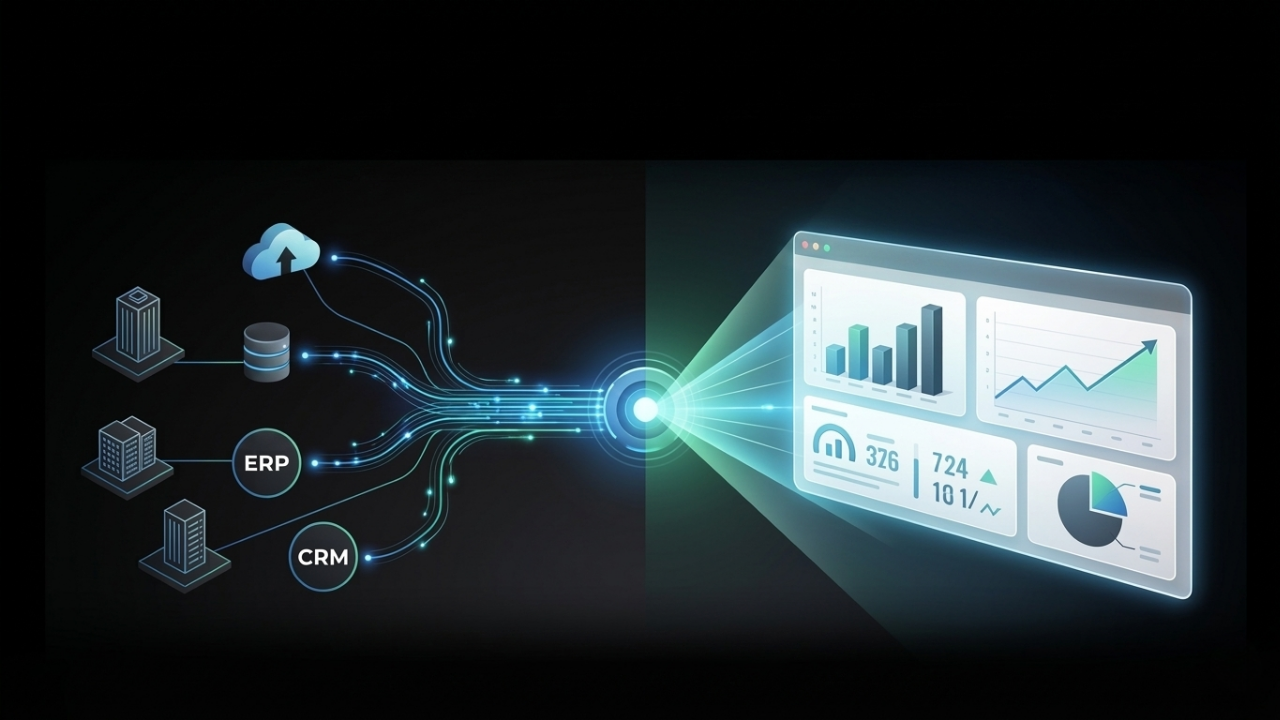
This is where systems integration for enterprise data visibility plays a crucial role. By connecting applications, infrastructure, and data platforms, integration enables organizations to consolidate information and create a unified operational view. Instead of relying on fragmented reports from isolated systems, enterprises gain access to consistent and real-time insights across departments.

For growing organizations, data visibility is more than a technical advantage. It becomes a strategic capability that improves decision-making, operational efficiency, and long-term scalability. In this article, we explore how systems integration improves enterprise data visibility and why it has become essential for modern digital enterprises.

The Data Visibility Challenge in Modern Enterprises

Most enterprises adopt new technologies over time to address evolving business needs. Finance teams deploy specialized accounting systems, marketing teams rely on CRM platforms, and operations teams manage supply chain tools. While each platform serves a specific function, they often operate independently from one another.

As a result, organizations frequently struggle with fragmented data ecosystems. Information may exist across on-premise servers, cloud platforms, SaaS applications, and departmental databases. Without proper connectivity between these systems, data becomes difficult to access, analyze, and trust.

Fragmented environments create several operational challenges. Leadership teams may rely on multiple reports from different departments that present inconsistent figures. IT teams spend significant time manually extracting and reconciling data across systems. Decision-making slows down because executives lack real-time insights into enterprise performance.

These challenges highlight why enterprises increasingly prioritize systems integration for enterprise data visibility. Integration connects data sources across the organization and ensures information flows seamlessly between platforms.

How Systems Integration Connects Enterprise Data

Systems integration creates a unified technology environment where applications, infrastructure, and data platforms communicate effectively. Instead of maintaining isolated systems, integration enables organizations to synchronize data across platforms and centralize visibility.

At its core, systems integration establishes structured connections between technologies through APIs, middleware platforms, and data orchestration frameworks. These connections allow systems to exchange information automatically and in real time.

For example, customer data captured in a CRM platform can automatically update financial systems, marketing automation tools, and analytics dashboards. Operational data from infrastructure monitoring systems can feed directly into centralized reporting platforms used by leadership teams.

This connectivity eliminates manual data transfers and reduces the risk of inconsistencies across systems. IT teams gain a single view of enterprise technology operations, while business leaders gain access to reliable insights that support faster decision-making.

Also Read: How Systems Integration Accelerates Enterprise Scalability

Key Benefits of Improved Enterprise Data Visibility

When organizations implement structured integration strategies, the impact extends beyond IT operations. Data visibility improves collaboration, operational transparency, and strategic planning across the enterprise.

One major advantage is improved decision-making. With integrated systems, executives can access real-time dashboards that combine financial, operational, and customer data from multiple platforms. This consolidated view enables leaders to identify trends and respond to opportunities more quickly.

Operational efficiency also improves significantly. Teams no longer need to manually collect and reconcile information from different systems. Automated data flows ensure that all departments work with consistent and up-to-date information.

Integration also enhances reporting accuracy. When data originates from a centralized ecosystem rather than multiple disconnected platforms, organizations reduce discrepancies and improve compliance with governance standards.

Over time, this visibility becomes a foundation for advanced capabilities such as predictive analytics, artificial intelligence, and automation.

Building a Unified Data Ecosystem Through Integration

Achieving enterprise-wide data visibility requires more than simply connecting a few applications. Organizations must adopt a structured integration architecture that aligns infrastructure, data platforms, and business applications within a cohesive ecosystem.

A well-designed integration framework typically includes centralized data pipelines, unified monitoring tools, and governance policies that maintain data consistency across systems. These frameworks ensure that information flows securely between platforms while maintaining compliance with enterprise security standards.

Organizations also benefit from integrating both legacy infrastructure and modern cloud platforms within the same architecture. Hybrid integration approaches allow enterprises to modernize technology environments while preserving operational continuity.

When implemented correctly, this integrated ecosystem becomes the foundation for enterprise intelligence. Data flows continuously across systems, enabling teams to access insights without delays or manual intervention.

How Team Computers Enables Enterprise Data Visibility

Enterprises often require specialized expertise to design and implement large-scale integration frameworks. Connecting infrastructure, cloud platforms, enterprise applications, and data systems requires deep understanding of both architecture and operational requirements.

Team Computers helps organizations implement systems integration strategies that improve enterprise data visibility across complex IT environments. By aligning infrastructure, applications, and analytics platforms, enterprises gain a unified view of operations and performance.

The approach focuses on creating integrated ecosystems where data flows seamlessly between systems. This includes connecting enterprise applications, aligning hybrid cloud environments, implementing centralized monitoring frameworks, and enabling real-time data exchange across platforms.

Through structured integration strategies, organizations can eliminate data silos, strengthen operational transparency, and empower leadership teams with reliable insights.

Conclusion

Modern enterprises generate enormous volumes of data across applications, cloud environments, and operational systems. Without structured integration, this data often remains fragmented, limiting its value to the organization.

By implementing systems integration for enterprise data visibility, organizations can transform disconnected information into actionable insights that support smarter business decisions.

Key takeaways include:

  • Fragmented systems reduce enterprise data visibility and operational efficiency
  • Systems integration connects applications, infrastructure, and data platforms
  • Integrated environments enable real-time reporting and improved decision-making
  • Unified data ecosystems support advanced analytics and innovation

As enterprises continue expanding their digital ecosystems, integration will remain a critical capability for unlocking the full value of enterprise data.

If your organization struggles with fragmented data across multiple systems, a structured integration strategy can help unlock real-time visibility and operational intelligence.

Discover how Team Computers can design and implement systems integration solutions that connect your enterprise technologies and transform data into actionable insights for business growth.

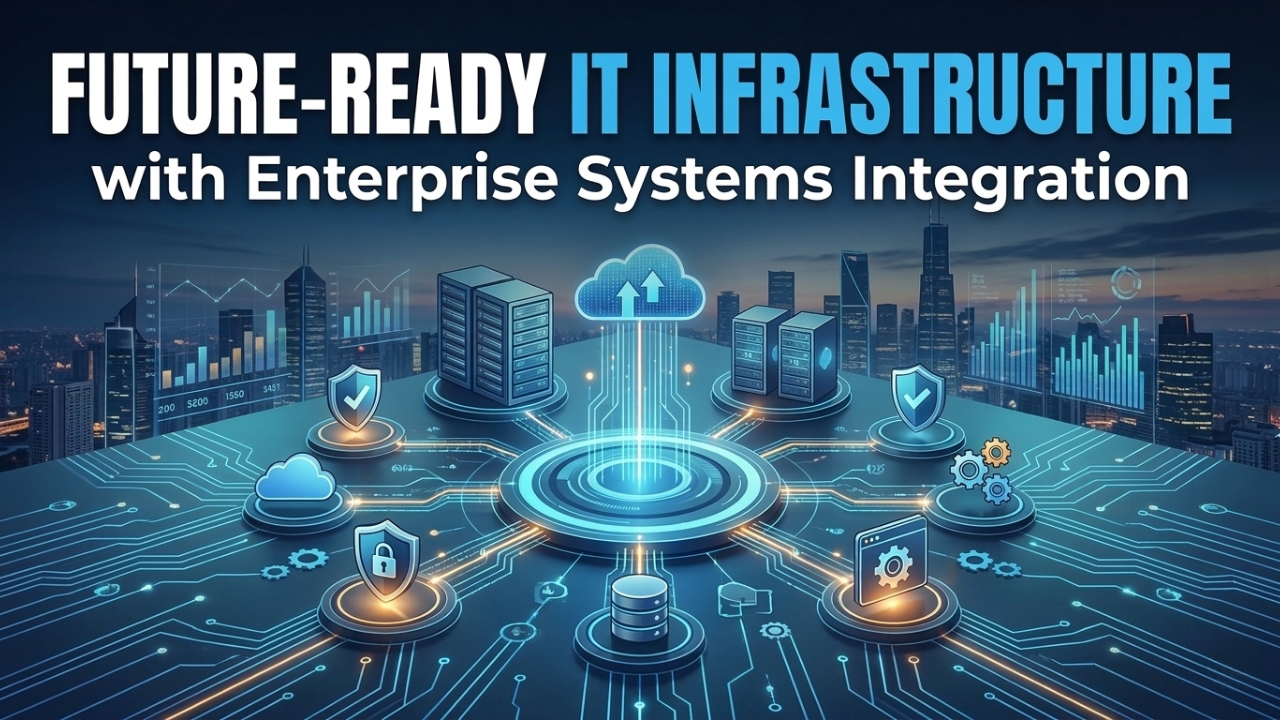
Future-Ready IT Infrastructure with Enterprise Systems Integration

Enterprise technology environments are becoming more complex every year. Organizations now operate across hybrid cloud environments, distributed workforces, multi-vendor applications, and rapidly evolving cybersecurity requirements. Yet many enterprises still rely on disconnected systems that struggle to support modern digital demands.

A recent industry study found that over [STAT: 70%] of enterprises operate with fragmented IT systems, which creates operational inefficiencies, security gaps, and difficulty scaling infrastructure as the business grows.

This is where enterprise systems integration becomes critical. Rather than adding more tools to already complex environments, integration connects infrastructure, applications, cloud platforms, and security frameworks into a unified ecosystem. The result is a technology environment that works cohesively, scales efficiently, and supports long-term digital transformation initiatives.

For organizations looking to build future-ready IT infrastructure, integration is no longer optional, it is foundational.

In this article, we explore how enterprise systems integration enables scalable infrastructure, why fragmented environments hold organizations back, and how structured integration strategies help enterprises prepare their IT environments for future growth.


The Growing Complexity of Enterprise IT Environments

Enterprise IT ecosystems rarely remain simple for long. As organizations expand operations, adopt new technologies, and integrate digital platforms, infrastructure naturally becomes more complex. Many enterprises now operate across hybrid cloud and on-premise environments, multiple enterprise applications and SaaS platforms, distributed branch networks with remote users, and advanced cybersecurity tools aligned with compliance frameworks. 

While each of these technologies plays an important role in supporting business operations, the absence of enterprise systems integration often leads to fragmentation between systems, making it harder for organizations to maintain visibility, efficiency, and consistent control across their IT environments.

The Hidden Impact of Fragmented Infrastructure

Disconnected systems can quietly undermine enterprise performance in several ways. Operational inefficiencies often arise when teams rely on manual data transfers between applications, slowing workflows and increasing the likelihood of errors. Security blind spots may emerge because monitoring tools operate in isolation, preventing security teams from gaining a complete view of potential threats across the environment.

Organizations also experience delayed decision-making when data visibility remains inconsistent across platforms, making it difficult for leadership to rely on unified insights. At the same time, IT teams face growing management complexity as they attempt to maintain multiple disconnected systems. Over time, these inefficiencies slow innovation and increase operational risk. Without proper integration, enterprises may continue investing in new technologies while the underlying infrastructure remains misaligned.

Also Read:  The Role of Systems Integration in Digital Transformation

Why Enterprise Systems Integration Is Critical for Future-Ready IT

Future-ready infrastructure requires more than modern hardware or cloud platforms. It requires systems that communicate, share data, and operate within a unified architecture. This is the primary goal of enterprise systems integration—aligning infrastructure, applications, and security technologies into a cohesive operational framework.

When organizations implement structured integration, data begins to move seamlessly across enterprise applications, improving operational visibility and reducing the need for manual processes. IT teams gain centralized monitoring capabilities, enabling them to identify performance issues faster and maintain greater control over the technology environment. At the same time, leadership teams benefit from clearer insights because information from different platforms becomes accessible through unified dashboards and reporting systems.

Integrated environments also improve infrastructure scalability. As enterprises adopt new technologies – such as advanced analytics platforms, automation tools, or additional cloud services – these systems can connect easily to the existing ecosystem. Security also becomes more consistent because policies and controls can be applied across infrastructure, applications, and networks rather than being managed separately.

When infrastructure components operate together rather than independently, organizations gain the flexibility needed to introduce new capabilities without disrupting ongoing operations. For enterprises undergoing digital transformation, enterprise systems integration ultimately becomes the foundation that supports long-term innovation and sustainable growth.

Key Pillars of a Future-Ready Integrated IT Infrastructure

Building future-ready IT environments requires a structured integration approach that considers infrastructure, networking, security, and application architecture together.

Several core pillars guide successful enterprise systems integration strategies.

Infrastructure Modernization

Enterprises must ensure that physical and virtual infrastructure can support modern workloads.

Integration enables:

  • Consolidated infrastructure management
  • Efficient resource utilization across environments
  • Seamless interaction between legacy and modern systems

Hybrid and Multi-Cloud Connectivity

Most enterprises now operate across multiple cloud platforms.

Integration ensures:

  • Secure connectivity between cloud providers and on-premise systems
  • Consistent governance policies
  • Unified workload management

Security-First Architecture

Future-ready infrastructure must embed security directly into the architecture.

Integrated environments support:

  • Centralized threat monitoring
  • Identity-driven access controls
  • Automated security policy enforcement

How Enterprise Systems Integration Supports Business Scalability

Technology infrastructure must evolve in step with business growth. As enterprises expand into new markets, support higher transaction volumes, and launch digital services, the pressure on IT systems increases significantly. Without a structured approach to enterprise systems integration, scaling infrastructure can quickly become complex, inefficient, and costly. Disconnected systems often require manual configuration, duplicate resources, and constant troubleshooting, all of which slow down operational growth.

A well-planned enterprise systems integration strategy enables organizations to scale their IT environments in a controlled and efficient way. By aligning infrastructure, applications, and cloud platforms within a unified architecture, enterprises can standardize their technology frameworks and simplify expansion. Integration also supports automation across IT operations, reducing the burden of repetitive manual tasks while improving consistency across systems. At the same time, unified monitoring platforms provide greater visibility into performance, allowing IT teams to identify issues early and maintain stable operations.

Another major advantage of enterprise systems integration is architectural flexibility. Integrated environments allow organizations to introduce new applications, platforms, or digital capabilities without disrupting existing infrastructure. This adaptability is critical for enterprises undergoing rapid digital transformation, where technology ecosystems must continuously evolve to support innovation, operational efficiency, and long-term scalability.


What Enterprises Should Look for in a Systems Integration Partner

Not all integration initiatives deliver the expected results. The success of enterprise systems integration often depends on the experience and strategic capabilities of the integration partner involved. Because enterprise IT environments include infrastructure, networking, cloud platforms, applications, and security frameworks, integration requires deep technical expertise combined with a strong architectural vision.

Organizations should evaluate integration partners carefully, particularly their ability to manage complex infrastructure environments, hybrid and multi-cloud ecosystems, and enterprise cybersecurity frameworks. A capable partner must also demonstrate proven methodologies for large-scale IT transformation, ensuring that integration initiatives align with long-term business goals rather than just short-term connectivity.

More importantly, enterprise systems integration is not simply a technical implementation. It involves architectural planning, operational alignment, and continuous lifecycle management of integrated systems. When integration strategies are designed with scalability and governance in mind, enterprises can ensure that their technology ecosystem remains resilient as new platforms, applications, and digital capabilities are introduced.

Enterprises benefit most from integration partners who understand how IT environments evolve over time and can design connected architectures that support innovation, security, and operational efficiency in the long run.


Team Computers’ Approach to Future-Ready Enterprise Infrastructure

At Team Computers, systems integration is approached as a strategic transformation initiative, not just a technical deployment.

With decades of enterprise IT expertise, the organization helps businesses align infrastructure, networking, security, and cloud platforms into cohesive environments designed for long-term performance.

The integration approach focuses on:

  • Comprehensive infrastructure assessment to identify integration opportunities=
  • Architecture design aligned with enterprise growth strategies
  • Secure connectivity across hybrid IT environments
  • Continuous optimization and lifecycle management 

This structured methodology allows enterprises to transform fragmented IT landscapes into scalable, secure, and future-ready infrastructure ecosystems.

CONCLUSION

Enterprises today operate in technology environments that are constantly evolving. New platforms, expanding operations, and increasing cybersecurity threats all place additional demands on IT infrastructure.

Without structured alignment, these environments become fragmented and difficult to manage.

Enterprise systems integration provides the foundation needed to create cohesive, scalable, and secure infrastructure ecosystems.

Key takeaways include:

  • Integrated IT environments improve operational efficiency and visibility
  • Future-ready infrastructure depends on seamless connectivity between systems
  • Structured integration strategies support long-term scalability
  • Security frameworks become stronger when integrated across the ecosystem
  • Experienced integration partners help enterprises navigate complex transformations 

As organizations continue investing in digital transformation, enterprise systems integration will remain a critical enabler of innovation, resilience, and sustainable growth.

Building future-ready IT infrastructure starts with the right integration strategy.

Discover how Team Computers’ enterprise systems integration services can help you unify infrastructure, strengthen security, and prepare your IT environment for the future. Engage with our experts to explore how a structured integration approach can support your organization’s next phase of digital growth.