Your Data Is Already in an AI Prompt

“Write a summary of this confidential report.”

That’s how it started.

Not a breach.
Not an attack.

Just a prompt.

Somewhere inside your organization right now:

  • A finance executive pastes quarterly numbers
  • A developer uploads source code
  • A marketer shares customer personas

They’re not leaking data.

They’re working faster.

But here’s the uncomfortable truth:

That data is no longer just yours.

There Was No Warning

No firewall alert.
No IT ticket.
No escalation.

Because nothing “malicious” happened.

The Leak That Doesn’t Feel Like One

Shadow AI doesn’t steal data.

It invites you to give it away.

The Question

Not: Are we secure?
But: How much of our data has already left—without us realizing?

The 5 Minutes That Shut Down a Factory

Manufacturing doesn’t stop.

Until it does.

And when it does, it rarely starts with ransomware.

Minute 0 — The Login

A vendor logs into a remote access system.
Credentials are valid.

No alarms.

No suspicion.

Minute 2 — The Mapping

The attacker identifies:

  • Production systems
  • OT and IT connections
  • Backup servers
  • Critical dependencies

They don’t attack yet.

They observe.

Minute 5 — The Weak Link

A legacy system.
Unpatched.
Connected to both IT and OT environments.

This is the bridge.

Minute 11 — Lateral Movement

The attacker moves quietly:

  • From IT networks to operational systems
  • From monitoring tools to control environments

Still no disruption.

Because disruption is not the goal yet.

Minute 18 — Backup Compromise

Backups are located.
Access is tested.
Recovery paths are analyzed—and quietly disabled.

Minute 27 — Encryption Triggered

Now it begins.

Production systems freeze.
Machines stop responding.
Dashboards go blank.

The plant doesn’t slow down.

It stops.

Why Manufacturing Is a Prime Target

  • High cost of downtime
  • Legacy systems still in use
  • IT-OT convergence
  • Limited visibility across environments

Attackers understand one thing clearly:

Every minute of downtime increases pressure to pay.

The Real Risk

It’s not just ransomware.

It’s:

  • Operational shutdown
  • Supply chain disruption
  • Safety risks
  • Revenue loss

The Real Question

If your production line stopped right now:

  • How fast could you isolate the attack?
  • Can you recover without paying ransom?
  • Are your OT systems monitored like IT systems?

Final Thought

Ransomware in manufacturing is not an IT problem.

It’s a business continuity problem.

And it starts long before the machines stop.

AI at Work: How Mac Is Powering the Next Generation of Intelligent Workflows

Artificial intelligence is rapidly transforming the way businesses operate. From automating repetitive tasks to helping teams analyze data and create content faster, AI is becoming a core part of modern workflows. As organizations embrace this shift, the devices employees use every day are becoming just as important as the tools and platforms running on them.

This is where Mac is gaining significant traction in enterprises, offering the performance, efficiency, and reliability required for modern AI-powered work. With the support of Team Computers, organizations are now able to adopt Mac more easily and create work environments where employees can take full advantage of intelligent tools and applications.

A Device Built for the AI Era

AI-powered applications require devices that can handle heavy processing while maintaining speed and efficiency. Mac devices are designed to support demanding workflows, enabling professionals to run advanced applications, manage multiple tasks, and process large datasets smoothly.

With guidance from Team Computers, organizations can deploy Mac across teams in a structured and scalable manner. From consulting on device selection to enterprise deployment planning, Team Computers ensures businesses adopt Apple technology in a way that aligns with their operational goals and AI-driven initiatives. This approach allows companies to confidently introduce modern tools without disrupting existing workflows.

Enabling Smarter Workflows for Teams

AI at work is not just for developers or data scientists anymore. Marketing teams, designers, analysts, and business leaders are all beginning to use AI-powered platforms to work more efficiently.

Mac devices provide the performance and seamless user experience needed to support these workflows. With assistance from Team Computers, organizations can equip employees with the right Apple devices while also integrating them into their enterprise IT environments. Services include:

  • Device deployment and configuration at scale
  • Integration with existing enterprise IT environments
  • Lifecycle management to ensure devices remain current and supported
  • Ongoing IT support so employees can start using devices immediately

By simplifying how devices are introduced and managed, Team Computers enables organizations to focus on innovation rather than infrastructure.

Security and Control in an AI-Driven Workplace

As AI tools become more integrated into everyday work, organizations must also maintain strong security standards. Sensitive business data, intellectual property, and operational information must remain protected while employees adopt new technologies.

Mac offers built-in security features that help safeguard enterprise environments. Working alongside these capabilities, Team Computers supports organizations with:

  • Enterprise mobility management (EMM) for centralized device oversight
  • Device configuration aligned with corporate security policies
  • Security implementation to maintain compliance across all Apple deployments

This combination of secure devices and expert enterprise support allows companies to embrace AI at work without compromising on governance or data protection.

Supporting Apple Adoption at Scale

One of the biggest challenges organizations face when adopting new devices is scaling deployment across teams. From procurement and onboarding to support and lifecycle management, the process requires careful planning.

Team Computers simplifies this journey for enterprises by offering a complete ecosystem of Apple services, including:

  • Device procurement tailored to enterprise needs
  • Enterprise deployment support and onboarding
  • Device lifecycle management services
  • Trade-in programs for legacy hardware
  • Employee-focused initiatives such as Smart EPP

This end-to-end approach ensures that organizations can transition to modern Apple-powered workplaces smoothly while maximizing the value of their technology investments.

The Future of Intelligent Workplaces

The future of work will be defined by intelligent tools, faster decision-making, and more flexible work environments. Devices that support performance, mobility, and security will play a central role in enabling this transformation.

With Mac providing the power needed for AI-driven workflows and Team Computers helping organizations deploy and manage Apple technology effectively, businesses can create work environments where innovation thrives.

As AI continues to shape how work gets done, enterprises that invest in the right technology ecosystem today will be better positioned to lead tomorrow.

Ready to bring AI-powered Mac workflows to your organization? Discover how Team Computers helps enterprises adopt, deploy, and manage Apple technology at scale — so your teams can focus on what matters most.

iPad at Work: Redefining Flexibility for the Modern Workforce

The way people work today is evolving rapidly. Employees are collaborating across locations, attending back-to-back meetings, reviewing documents on the move, and managing projects in real time. In this dynamic environment, professionals need devices that are not only powerful but also flexible enough to adapt to different work situations.

The iPad at work has emerged as one such device, bridging the gap between mobility and productivity. With its lightweight design, powerful performance, and intuitive interface, the iPad enables professionals to handle everyday tasks with ease — whether reviewing presentations, taking notes during meetings, signing documents, or brainstorming ideas — without being tied to a traditional desk setup.

A Device Built for Flexible Work

Modern workdays rarely follow a fixed routine. One moment employees are in meetings, the next they are reviewing reports or collaborating with colleagues. The iPad fits perfectly into this flexible workflow by allowing users to quickly switch between tasks.

Employees can use the iPad to:

  • Present ideas and deliver demos directly from the device
  • Annotate and review documents with Apple Pencil or touch
  • Capture notes instantly during meetings
  • Access business applications with a familiar, intuitive interface

Its touchscreen interface adds a layer of convenience that traditional devices often lack, making interactions more natural and engaging. This flexibility makes iPad at work particularly valuable for professionals who move between different environments throughout the day.

Productivity That Moves with You

One of the biggest advantages of the iPad in the workplace is how easily it supports work on the move. Employees can carry it anywhere — into meetings, client visits, or collaborative sessions — without the bulk of a laptop.

From reviewing proposals before an important discussion to quickly making edits on a document, the iPad ensures work continues smoothly wherever employees are. Its performance allows professionals to handle multiple apps, collaborate with teams, and stay connected to their work ecosystem throughout the day.

For roles such as sales teams, consultants, designers, and executives, the iPad becomes a convenient productivity tool that supports both quick tasks and deeper, focused work.

A Seamless Extension of the Apple Ecosystem

The iPad becomes even more powerful when used alongside other Apple devices. Employees who work on Mac can easily continue their tasks on the iPad, making transitions between devices effortless.

Documents, notes, and files remain synced across devices, allowing employees to start a task at their desk and continue working while on the move. This seamless integration creates a more connected and efficient work environment where devices complement each other rather than operate in isolation.

For organizations adopting Apple technology, this ecosystem approach enhances both collaboration and productivity across the workforce.

Empowering Teams with Smart EPP from Team Computers

For organizations looking to introduce iPad at work across their workforce, the right deployment strategy is essential. Team Computers helps businesses adopt Apple technology smoothly while ensuring employees receive the best possible experience.

Through Smart EPP (Employee Purchase Program), Team Computers enables organizations to extend Apple devices to employees in a structured and accessible way. This approach allows employees to benefit from devices like the iPad while organizations maintain proper device management, support, and governance.

Smart EPP creates a balanced model where businesses can encourage Apple adoption across teams without adding complexity to IT operations. With procurement, deployment, and support handled efficiently, organizations can focus on empowering their workforce with modern tools that support flexible work.

The Role of iPad in the Future Workplace

As work environments continue to evolve, flexibility will remain one of the most important factors shaping workplace technology. Devices that support mobility, creativity, and seamless collaboration will play a central role in helping teams stay productive.

The iPad stands out as a device that adapts easily to modern workstyles — whether employees are presenting ideas, collaborating with colleagues, or managing projects on the move. When supported by enterprise programs like Smart EPP from Team Computers, businesses can unlock the full potential of iPad as part of a modern, Apple-powered workplace.

Ready to bring iPad at work to your organization? Discover how Team Computers Smart EPP helps enterprises deploy and manage Apple devices at scale — simply, securely, and efficiently.

How Agentic AI Is Redefining the Modern Service Desk

For decades, the IT Service Desk has operated on a simple model, users report issues, tickets are created, and engineers resolve them.

Even with the introduction of automation and AIOps, this model remained largely reactive. Systems could detect anomalies, but resolution still depended on human intervention.

That model is now being redefined.

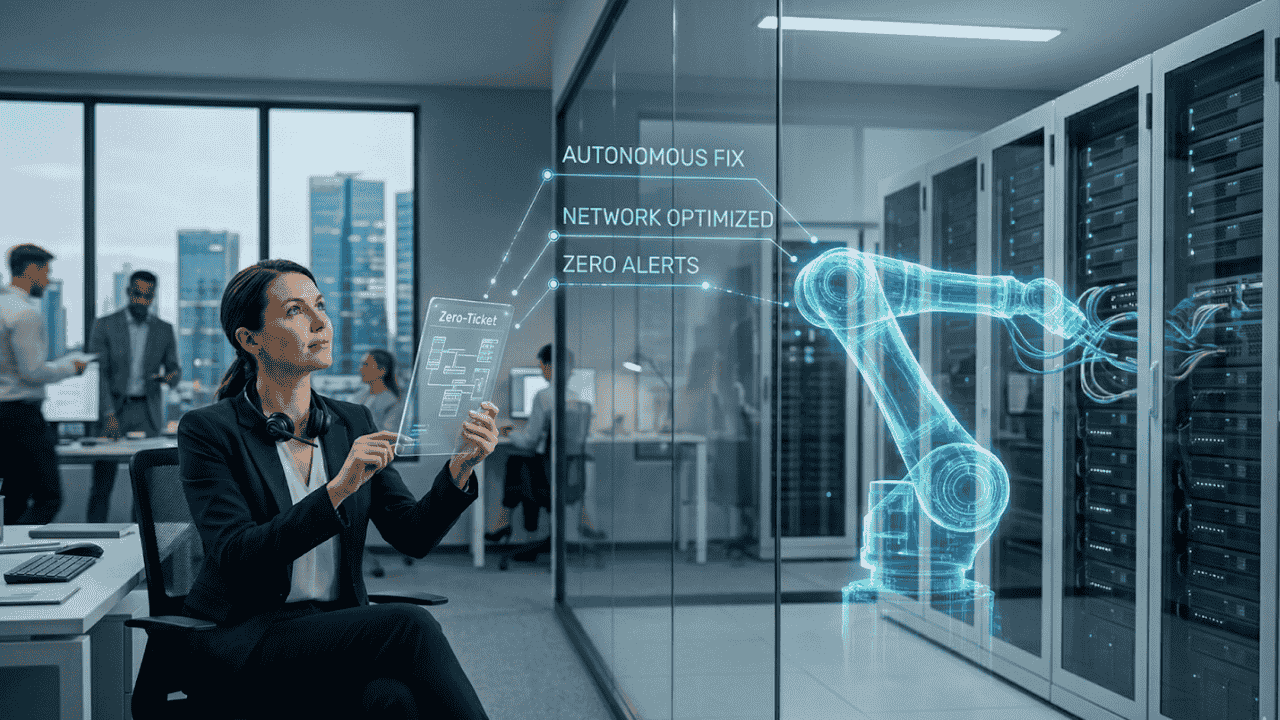
In 2026, enterprises are entering the era of Agentic AI, where service desks no longer revolve around ticket management, they focus on eliminating issues before they are even noticed.

This marks a fundamental shift from reactive IT support to autonomous IT operations.

From Conversational AI to Autonomous Agents

Early implementations of AI in service desks were primarily conversational. Chatbots could assist users with basic queries or execute predefined workflows such as password resets.

Agentic AI introduces a significant advancement, it brings decision-making capability and execution autonomy.

An Agentic Service Desk does not simply respond to user inputs. It interacts directly with infrastructure and systems to identify, analyze, and resolve issues independently.

For example:

  • If a system detects resource constraints in a virtual environment, the AI agent can automatically allocate additional capacity
  • It can validate system performance post-resolution
  • It logs the action as a resolved event without requiring user intervention

In this model, many incidents are resolved before they ever become visible to users.

The Three Pillars of Agentic Operations

To understand how Agentic AI transforms IT operations, it is important to look at how these systems function.

Reasoning Over Rules

Traditional automation operates on predefined logic, fixed workflows triggered by specific conditions.

Agentic AI goes beyond this by applying contextual reasoning. It can evaluate complex scenarios and determine the most effective course of action, even when no predefined rule exists.

Cross-Platform Execution

Modern IT environments span multiple systems, ITSM tools, cloud platforms, security frameworks, and endpoint management solutions.

Agentic AI operates across these environments seamlessly, enabling it to correlate data and execute actions across the entire technology stack.

Self-Correction and Escalation

Agentic systems are designed to adapt.

If an initial resolution attempt fails, the system evaluates alternative approaches. When required, it escalates the issue to human teams with complete context, reducing diagnostic time and improving resolution efficiency.

Transforming Managed Services Operations

The introduction of Agentic AI is redefining how Managed Services are delivered.

Traditional service models focused on ticket volumes, response times, and resolution metrics. With Agentic AI, the focus shifts toward incident prevention and system resilience.

Key impacts include:

  • Significant reduction in service desk tickets
  • Faster resolution of infrastructure issues
  • Improved system stability and performance
  • Reduced dependency on manual intervention

This evolution enables service providers like Team Computers to deliver more proactive and outcome-driven IT operations.

The Evolving Role of IT Teams

Agentic AI is not replacing IT professionals, it is redefining their role.

By automating repetitive tasks typically handled at L1 and L2 levels, organizations can redirect their talent toward higher-value initiatives.

IT teams are increasingly taking on roles such as:

  • Designing automation strategies
  • Defining operational policies and guardrails
  • Managing system architecture and scalability
  • Driving innovation across digital platforms

This transition allows IT teams to move from operational support to strategic enablement.

The Shift Toward a Zero-Ticket Enterprise

The long-term vision of Agentic AI is the Zero-Ticket Enterprise.

In this model:

  • Systems continuously monitor themselves
  • Issues are identified and resolved automatically
  • Users experience minimal disruption
  • Service desks focus on optimization rather than troubleshooting

While this may not eliminate all incidents, it significantly reduces the dependency on traditional ticket-based workflows.

Conclusion

The Future of IT Service Management

Agentic AI represents a fundamental shift in how IT services are delivered.

Instead of measuring success through ticket volumes and response times, organizations are beginning to focus on system stability, user experience, and operational efficiency.

Key takeaways include:

  • Traditional service desks are reactive and ticket-driven
  • Agentic AI enables autonomous, self-healing IT operations
  • IT teams evolve from support roles to strategic contributors
  • Managed Services become more proactive and outcome-focused

As enterprises continue to adopt intelligent automation, the service desk will evolve from a support function into a core driver of digital resilience and efficiency.

Is your service desk still operating in a reactive, ticket-driven model?

Discover how Team Computers can help you transition toward intelligent, autonomous IT operations, reducing incidents, improving efficiency, and enabling your teams to focus on innovation.

Beyond the Balance Sheet: Turning IT Infrastructure into an ESG Value Driver

For years, IT operations and sustainability initiatives operated in parallel. IT teams focused on uptime, performance, and system reliability, while ESG agendas centered on carbon reduction, social impact, and governance frameworks.

That separation no longer exists.

As organizations face increasing regulatory pressure and stakeholder expectations, IT infrastructure has moved from being a backend function to a critical driver of ESG performance. Today, decisions around infrastructure design, operations, and management directly influence how enterprises measure environmental impact, support workforce inclusion, and ensure governance transparency.

In this context, Managed Services are emerging as a key enabler, helping organizations align IT operations with ESG objectives while maintaining performance and scalability. At the heart of this shift is sustainable IT infrastructure — a strategic approach that turns technology investments into measurable ESG outcomes.

Environmental: From Energy Efficiency to Carbon Intelligence

The traditional approach to sustainability in IT focused on reducing energy consumption. Modern enterprises are moving beyond this toward carbon-aware infrastructure strategies.

Elastic Infrastructure

Through virtualization and scalable architectures, infrastructure can dynamically adjust to demand. This reduces idle capacity and eliminates underutilized systems that consume energy without delivering value, directly lowering the carbon footprint of IT operations.

Lifecycle Optimization

Sustainable IT infrastructure now extends beyond usage to the entire lifecycle of hardware. This includes responsible procurement, efficient utilization, and structured decommissioning. By prioritizing modular, repairable, and recyclable hardware, organizations can significantly reduce electronic waste and improve resource efficiency.

Managed Services play a critical role in enabling these practices by ensuring infrastructure is continuously optimized for both performance and sustainability across every stage of its lifecycle.

Social: Enabling an Inclusive and Productive Digital Workplace

The social dimension of ESG is increasingly shaped by how organizations design and manage digital workplaces. Technology is no longer just a productivity tool — it is a key enabler of workforce inclusion and employee well-being.

Location-Independent Work

Modern infrastructure allows employees to work seamlessly across locations. This enables organizations to access a broader talent pool while supporting regional diversity and economic participation across geographies.

Digital Experience and Well-Being

Poor technology experiences — slow systems, unreliable access, or frequent disruptions — directly impact employee satisfaction and productivity. By ensuring consistent performance and reliability, organizations can reduce digital friction and create a more supportive work environment.

A well-managed IT ecosystem is, at its core, a more human-centric one. Investing in sustainable IT infrastructure means investing in the people who depend on it every day.

Governance: Building Trust Through Transparency and Control

Governance is often the most complex component of ESG, especially in IT environments where data, access, and compliance must be tightly managed.

Real-Time Visibility

Modern IT environments require continuous monitoring of infrastructure, data access, and system activity. This ensures that organizations maintain visibility into how systems operate and how data is handled across the enterprise.

Compliance and Audit Readiness

Structured IT management enables organizations to maintain compliance with evolving regulatory standards. Automated tracking of access logs, system configurations, and security controls creates a reliable audit trail that supports both internal reviews and external reporting requirements.

Responsible Automation

As automation and AI become more embedded in IT operations, governance ensures these systems operate transparently and align with organizational policies. Managed Services support this by providing structured oversight, standardized processes, and consistent enforcement of governance frameworks.

The Role of Managed Services in ESG-Aligned IT Operations

Aligning sustainable IT infrastructure with ESG goals requires more than isolated initiatives. It requires a consistent, scalable operating model.

Managed Services provide that foundation by enabling:

  • Continuous optimization of infrastructure usage across environments
  • Standardized processes for compliance and governance reporting
  • Scalable support for distributed and hybrid work environments
  • Improved visibility across systems, data flows, and operations

Organizations working with providers like Team Computers can integrate these capabilities into their IT strategy, ensuring that infrastructure not only supports business operations but also contributes meaningfully to broader ESG objectives.

Conclusion

IT infrastructure is no longer just a cost center. It is a measurable contributor to enterprise value. Sustainable IT infrastructure enables organizations to balance performance with responsibility, ensuring that technology investments align with environmental, social, and governance priorities.

Key takeaways:

  • IT infrastructure plays a critical role in enterprise ESG performance
  • Sustainability requires optimization across the entire infrastructure lifecycle
  • Digital workplace design directly impacts employee inclusion and productivity
  • Governance frameworks ensure transparency, compliance, and audit readiness

Organizations that embed ESG principles into their IT operations are not only meeting regulatory expectations — they are building a more resilient and future-ready enterprise.

Is your IT infrastructure aligned with your organization’s ESG goals?

Discover how Team Computers can help you transform your IT operations into a sustainable, scalable, and governance-driven foundation for long-term business success.

Enterprise Data Integration: Turning Disconnected Data into Real-Time Business Insights

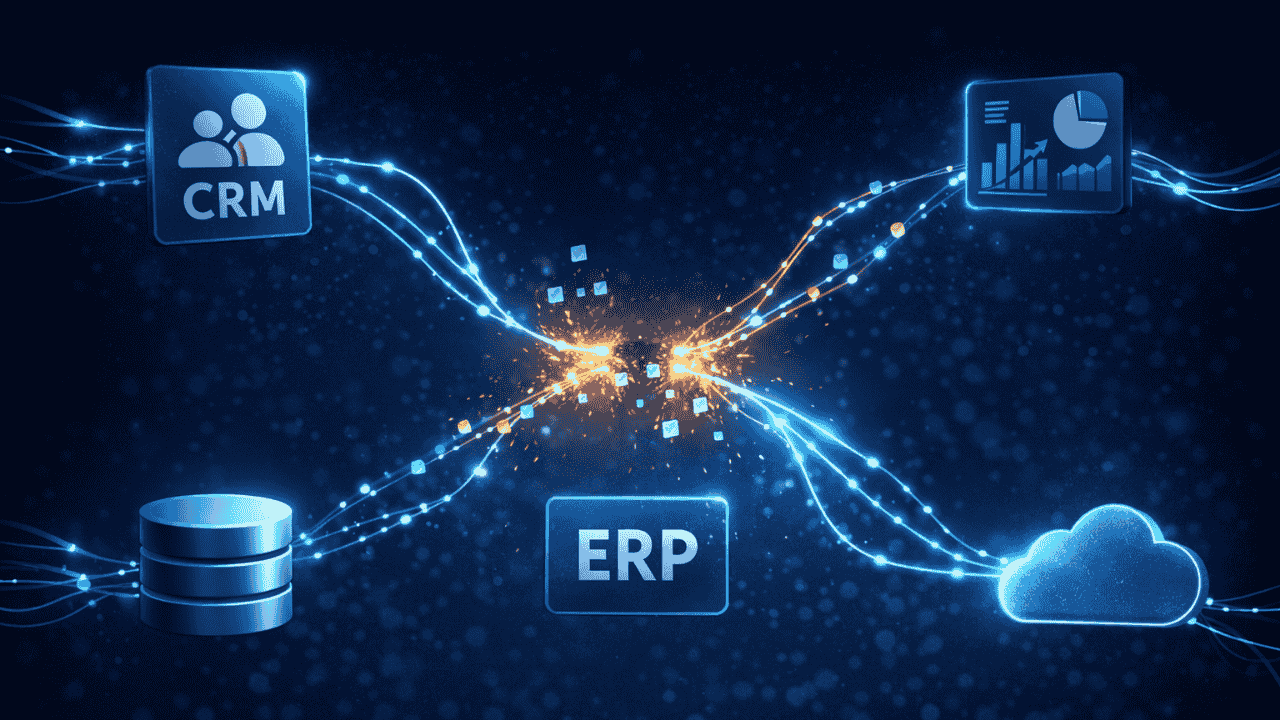
Modern enterprises generate massive volumes of data across multiple systems. Customer interactions are captured within CRM platforms, financial transactions are stored in ERP systems, operational data resides within supply chain applications, and analytics platforms process information to produce insights.

Each of these systems plays an important role in supporting business operations. However, the real value of enterprise data emerges only when information from these platforms can be accessed, combined, and analyzed together.

This is where enterprise data integration becomes essential.

Without effective integration, enterprise data remains fragmented across multiple platforms. Teams struggle to obtain a unified view of operations, reports take longer to generate, and decision-makers often rely on incomplete or inconsistent information. Data integration solves this challenge by connecting enterprise data sources and enabling information to flow seamlessly across systems.

Why Data Integration Matters for Enterprises

Data is one of the most valuable assets within modern organizations. However, when data exists in isolated systems, its value becomes significantly limited.

Different departments often operate with their own data environments. Marketing teams manage campaign analytics, finance teams track financial performance, and operations teams monitor supply chain metrics. Without integration, these data sources remain disconnected and unable to tell a complete story.

This fragmentation creates challenges such as:

  • Inconsistent reporting across departments
  • Difficulty accessing real-time business insights
  • Limited visibility into overall enterprise performance

Enterprise data integration enables organizations to unify these data environments, allowing information from multiple systems to be consolidated and analyzed together.

The Problem of Data Silos

One of the most common challenges in enterprise IT environments is the presence of data silos. A data silo occurs when information is stored within a specific system but cannot be easily accessed by other applications across the organization.

For instance, customer purchase data may reside in an ERP system while customer interaction data exists within a CRM platform. Without integration, teams cannot combine these datasets to gain a complete view of the customer journey.

Data silos create several operational risks, including fragmented insights, duplicate data across systems, and delays in reporting and analysis. As organizations adopt more applications and cloud platforms, the number of disconnected data sources often grows, compounding these challenges.

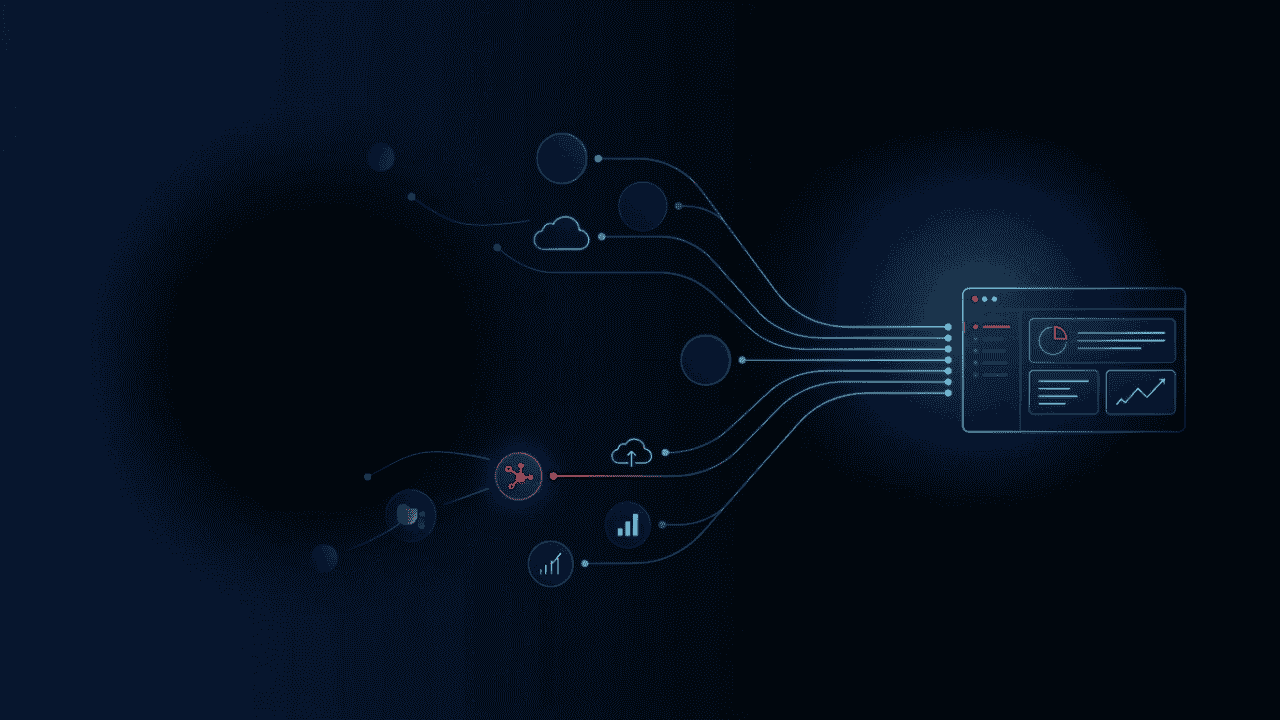
Enterprise data integration solves this problem by establishing structured pathways that allow information to move seamlessly between systems, enabling a unified, accurate, and actionable view of enterprise data.

How Enterprise Data Integration Works

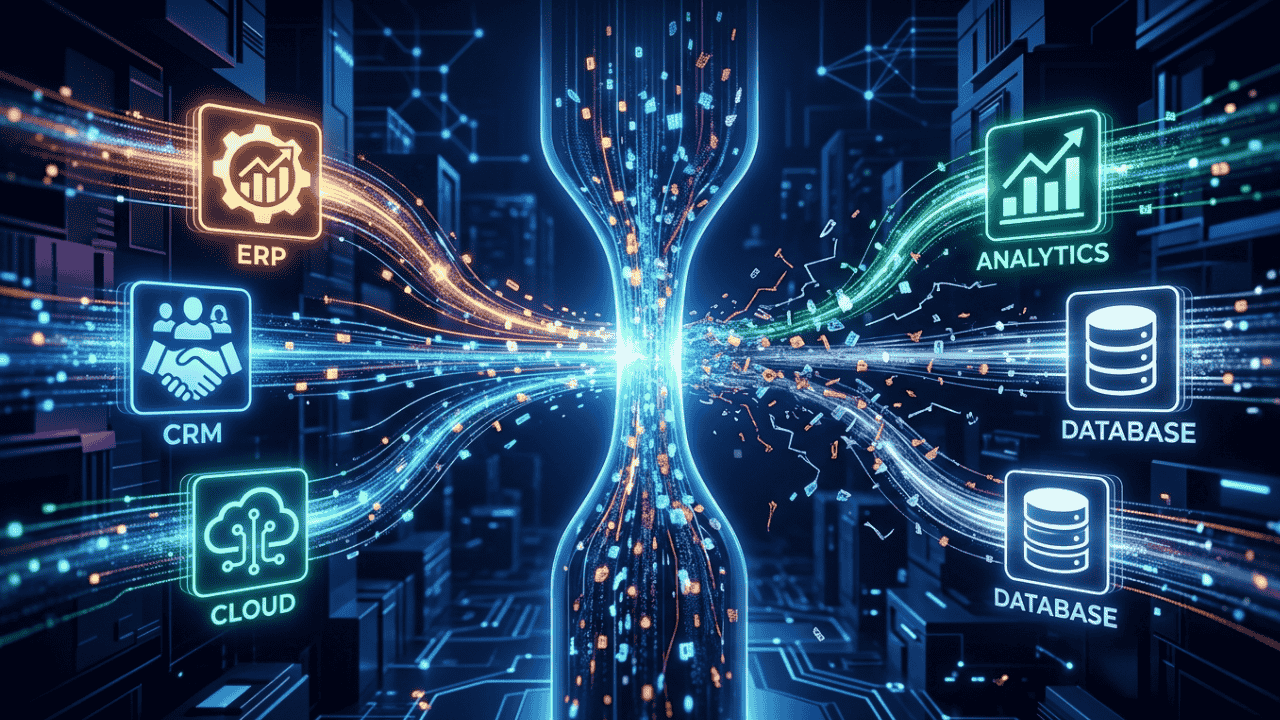
Enterprise data integration involves connecting multiple data sources so that information can be accessed, processed, and shared across applications. This process typically includes three key components:

Data Extraction

Information is collected from various enterprise systems such as ERP platforms, CRM applications, databases, and cloud services.

Data Transformation

Data from different systems is often stored in different formats. Transformation processes standardize this information so that it can be used consistently across platforms without conflicts or errors.

Data Loading

Once the data is prepared, it is transferred to a centralized repository such as a data warehouse, analytics platform, or integrated data environment where it becomes accessible for analysis and reporting.

Through these processes, organizations create unified data environments where information from multiple sources becomes accessible for reporting, analytics, and operational workflows.

Benefits of Enterprise Data Integration

Organizations that implement effective data integration strategies gain several strategic advantages:

Unified Business Insights

Integrated data environments allow leadership teams to access comprehensive insights that combine information from multiple systems, giving them a single, trusted view of the business.

Faster Decision-Making

Real-time data access enables organizations to respond more quickly to operational changes and market opportunities without waiting for manual reports to be compiled.

Improved Data Accuracy

By synchronizing data across platforms, organizations reduce inconsistencies and eliminate duplicate records that lead to unreliable reporting.

Enhanced Operational Efficiency

Integrated data flows reduce manual processes, allowing teams to focus on analysis and strategic initiatives rather than managing fragmented data sources.

Data Integration in Modern Enterprise Architectures

Today’s enterprise IT environments are increasingly complex. Organizations rely on a mix of on-premise infrastructure, cloud applications, analytics platforms, and legacy systems. Enterprise data integration plays a central role in connecting these diverse environments.

Modern data integration strategies leverage technologies such as:

  • APIs for real-time data exchange between applications
  • ETL and ELT pipelines for large-scale data processing
  • Data integration platforms for managing complex data flows across the enterprise
  • Cloud integration frameworks for hybrid and multi-cloud environments

These technologies allow organizations to build scalable data environments capable of supporting advanced analytics, artificial intelligence, and long-term digital transformation initiatives.

How Team Computers Helps Enterprises Integrate Their Data

Implementing enterprise data integration requires both technical expertise and a strategic understanding of enterprise IT architecture.

At Team Computers, data integration initiatives begin with a detailed assessment of the organization’s data landscape. This includes identifying fragmented data sources, analyzing existing data workflows, and mapping integration requirements across systems. Based on this analysis, the team designs scalable integration frameworks that enable secure and reliable data exchange across enterprise platforms.

Team Computers supports organizations with:

  • Integration of enterprise data platforms and business applications
  • Design of scalable data pipelines and integration architectures
  • Implementation of secure data exchange across cloud and on-premise systems
  • Optimization of data workflows to support analytics and business decision-making

By transforming fragmented data environments into connected data ecosystems, Team Computers helps organizations unlock the full value of their enterprise information.

Conclusion

As enterprises continue to generate and rely on large volumes of data, the ability to connect and integrate data platforms becomes increasingly important. Without integration, organizations face fragmented data environments that limit visibility and slow decision-making.

Enterprise data integration addresses this challenge by creating unified data ecosystems where information flows seamlessly across systems. Key benefits include:

  • Elimination of data silos across departments and platforms
  • Improved visibility across enterprise operations
  • Faster and more reliable insights for leadership teams
  • Scalable data environments that support innovation and growth

Organizations that invest in data integration strategies position themselves to fully leverage their data assets and drive smarter, more informed business decisions.

Discover how Team Computers helps enterprises connect data platforms, applications, and infrastructure to build scalable, high-performance digital ecosystems.

The Enterprise IT Bottleneck Most Companies Ignore: Disconnected Systems

Many enterprises invest heavily in modern technology: ERP platforms, CRM systems, cloud infrastructure, analytics tools, and cybersecurity solutions. These investments are intended to improve efficiency, automate processes, and enable better decision-making.

Yet despite deploying advanced systems, many organizations still struggle with slow workflows, fragmented data, and operational inefficiencies.

The problem often isn’t the technology itself. It’s the lack of connection between those technologies.

Disconnected systems have quietly become one of the biggest enterprise IT bottlenecks. When applications cannot communicate seamlessly, information gets trapped within individual platforms, forcing teams to rely on manual workarounds and fragmented data sources.

What makes this challenge particularly dangerous is that it often goes unnoticed. Organizations continue adopting new tools while the underlying integration problem grows more complex.

In this blog, we explore why disconnected systems create hidden enterprise IT bottlenecks, the operational risks they introduce, and how strategic systems integration helps organizations build a truly connected digital environment.

Why Disconnected Systems Become Enterprise Bottlenecks

Enterprise technology environments rarely develop in a perfectly coordinated way. Most organizations adopt systems gradually over time as new business needs emerge.

A sales department may introduce a CRM platform to manage customer relationships. Finance teams rely on ERP software for financial operations. Marketing teams deploy automation platforms to run campaigns, while operations teams implement supply chain systems to manage logistics.

Each of these systems works effectively within its own domain. The problem arises when they operate in isolation.

Without integration, enterprise applications become separate islands of data and functionality. Teams must manually transfer information between platforms, reports must be consolidated from multiple systems, and decision-makers struggle to obtain a unified view of the business. Over time, this fragmentation creates a silent operational bottleneck that slows down processes across the entire organization.

The Operational Impact of Fragmented Systems

Disconnected systems rarely cause immediate disruption. Instead, they gradually introduce inefficiencies that compound across departments.

Employees begin relying on spreadsheets to move data between applications. Reports take longer to generate because information must be gathered from multiple sources. Teams often work with inconsistent data because systems are not synchronized.

These inefficiencies create several operational challenges:

  • Workflows become slower and more complex over time
  • Employees spend time managing data rather than analyzing it
  • Decision-makers receive delayed or inconsistent insights

As organizations grow, the impact becomes more severe. What once seemed like a manageable inconvenience evolves into a significant barrier to productivity and agility. Many enterprises only recognize the scale of this problem when operational performance begins to visibly suffer.

The Hidden Cost of Disconnected Enterprise Systems

Beyond operational inefficiencies, fragmented systems also introduce substantial financial and strategic costs.

One of the most significant challenges is the loss of data visibility. When systems are not integrated, leadership teams cannot easily access reliable real-time insights. Critical decisions must be made using incomplete or outdated information.

Disconnected systems also increase the burden on IT teams. Maintaining multiple independent platforms requires additional effort for data management, security monitoring, and troubleshooting. Organizations may experience challenges such as:

  • Increased operational costs due to manual processes and duplicate effort
  • Higher risk of data inconsistencies across platforms
  • Difficulty scaling technology environments as new tools are introduced

Over time, these issues limit the organization’s ability to innovate and respond quickly to changing business demands.

Why the Integration Problem Often Goes Unnoticed

One reason disconnected systems remain such a persistent challenge is that the problem rarely appears dramatic. Instead, it grows gradually as organizations continue adopting new technologies.

A new analytics platform might be introduced to improve reporting. A new cloud application might support remote collaboration. Another system might be implemented to manage supply chain operations. Each new tool adds value individually. However, without a structured integration strategy, every additional system increases complexity within the IT environment.

Eventually, the organization reaches a point where the number of disconnected applications creates a web of inefficient processes. This is when enterprise leaders begin to realize that the issue is not the technology itself, but the absence of a cohesive integration architecture connecting those technologies.

How Systems Integration Removes Enterprise IT Bottlenecks

The most effective way to eliminate IT bottlenecks caused by disconnected systems is through a structured enterprise systems integration strategy.

Integration enables enterprise applications to communicate with one another, allowing data to flow automatically across platforms. Instead of relying on manual workarounds, organizations can automate workflows and create unified data environments.

Modern integration strategies rely on technologies such as APIs, middleware platforms, and cloud integration frameworks. These allow organizations to connect legacy systems, modern applications, and data platforms into a single coordinated ecosystem.

When integration is implemented effectively, enterprises gain several advantages:

  • Faster and more efficient workflows across all departments
  • Improved visibility with a unified view of business operations
  • Better decision-making supported by real-time, consistent data

Integration transforms isolated systems into a connected digital infrastructure capable of supporting growth and innovation.

How Team Computers Helps Enterprises Eliminate IT Bottlenecks

Addressing the challenge of disconnected systems requires more than simply connecting applications. It requires a strategic approach to enterprise architecture, data integration, and long-term scalability.

At Team Computers, enterprise systems integration begins with a comprehensive assessment of the organization’s existing IT landscape. This allows integration specialists to identify fragmented systems, data flow gaps, and operational inefficiencies. Based on this analysis, the team designs scalable integration frameworks that enable systems to communicate reliably across the enterprise environment.

Team Computers supports organizations by:

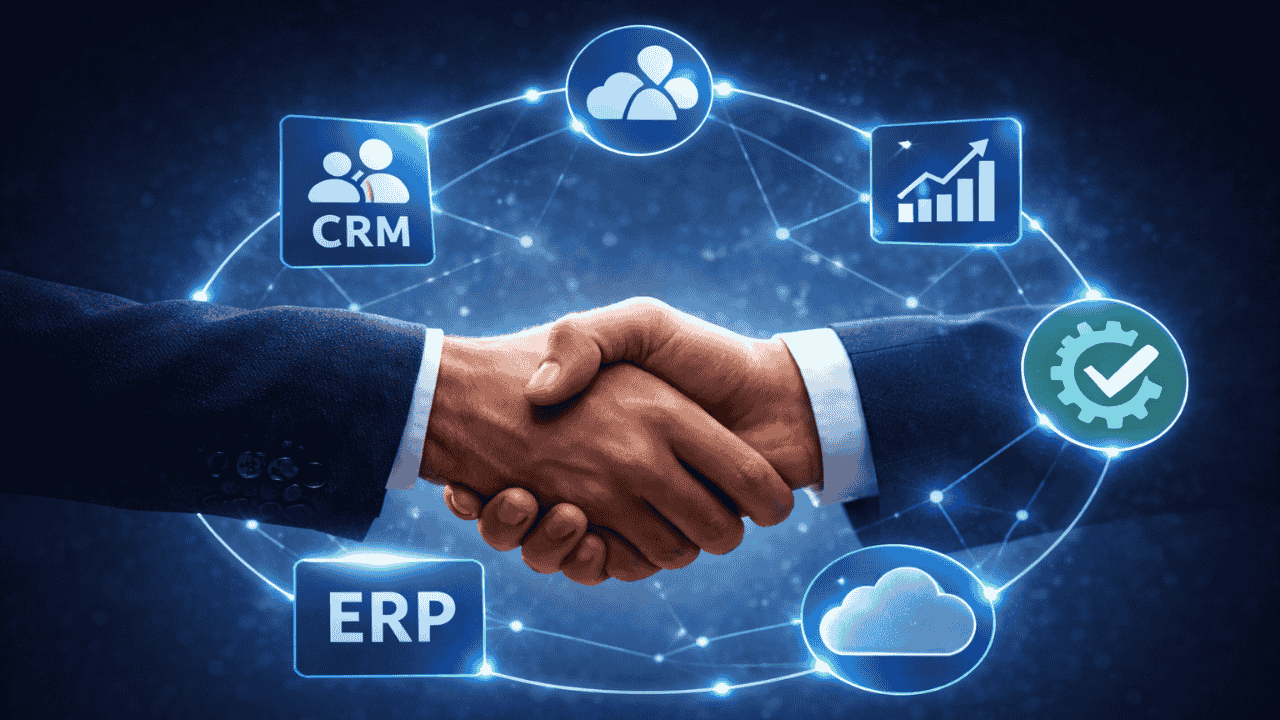
  • Connecting enterprise applications such as ERP, CRM, and analytics platforms
  • Designing API and middleware-based integration architectures
  • Enabling secure data exchange between cloud and on-premise systems
  • Optimizing workflows through automated data flows and integration pipelines

This structured approach helps organizations move from fragmented technology environments to connected digital ecosystems where systems operate efficiently together.

Expert Insight

“Many organizations believe their biggest IT challenges come from outdated technology. In reality, the bigger challenge is often the lack of connectivity between existing systems. Integration transforms isolated applications into a coordinated enterprise platform.”

— Head of IT Services, Team Computers

Conclusion

Disconnected systems represent one of the most overlooked bottlenecks within enterprise IT environments. While individual applications may function effectively, the absence of integration creates operational friction that affects productivity, data visibility, and strategic decision-making. Over time, these inefficiencies accumulate and limit the organization’s ability to scale and innovate.

Enterprises that address this challenge through structured systems integration gain several key advantages:

  • Streamlined workflows across departments
  • Unified data environments that improve decision-making quality
  • Reduced operational complexity for IT teams
  • Scalable technology ecosystems that support future growth

Organizations that invest in integration strategies move beyond fragmented technology environments and build connected digital infrastructures that unlock the full value of their technology investments.

Discover how Team Computers helps enterprises connect applications, infrastructure, and data platforms to build scalable, high-performing IT ecosystems.

What to Look for in an Enterprise Systems Integration Partner

Most enterprises today rely on a complex mix of technology platforms. ERP systems manage financial operations, CRM platforms track customer interactions, analytics tools generate business insights, and cloud infrastructure supports modern digital workloads. Each of these systems plays a critical role in day-to-day operations.

However, the real value of enterprise technology emerges only when these systems work together seamlessly.

Without effective integration, organizations often face disconnected workflows, fragmented data, and operational inefficiencies that limit the value of their technology investments. This is why choosing the right enterprise systems integration partner becomes a strategic decision rather than a purely technical one.

The right partner does far more than connect applications. They help design scalable architectures, ensure reliable data exchange, and create technology environments where systems support business goals rather than complicate them.

Why the Right Integration Partner Matters

Enterprise integration is rarely a simple technical task. Large organizations often operate dozens or even hundreds of applications across multiple departments, cloud platforms, and legacy environments.

When these systems evolve independently, integration becomes increasingly complex. Data must move securely between platforms, workflows must remain consistent, and the overall architecture must support future growth.

An experienced partner approaches integration strategically. Instead of creating temporary connections between systems, they design integration frameworks that support long-term scalability. They analyze the existing IT landscape, identify communication gaps between platforms, and develop integration strategies aligned with business objectives.

Without this structured approach, organizations often end up with fragile integrations that require constant maintenance and fail to scale as new technologies are introduced. Choosing the right partner ensures that integration becomes a foundation for innovation rather than a source of operational complexity.

Deep Technical Expertise Across Enterprise Platforms

One of the first qualities enterprises should evaluate in an integration partner is technical depth. Enterprise technology environments are rarely standardized. They typically include a mix of modern cloud applications, enterprise platforms, and legacy infrastructure, and integrating such environments requires expertise across multiple technologies and integration methods.

A capable enterprise systems integration partner understands how enterprise systems interact and how data flows across platforms. They evaluate APIs, infrastructure dependencies, data structures, and workflow requirements before implementing any integration solutions.

Rather than relying on quick fixes, experienced partners design integration mechanisms that remain stable even as systems evolve. Technology environments change constantly, and integration frameworks must be flexible enough to accommodate new applications, cloud services, and data platforms without disrupting operations.

A Clear Integration Architecture Strategy

Successful integration projects always begin with a well-defined architecture strategy. Connecting systems without a clear structure may solve short-term problems, but it often introduces long-term complexity.

A strong enterprise systems integration partner focuses on building a structured architecture that allows systems to communicate consistently and efficiently. This architecture typically relies on several foundational components:

  • API-driven communication between applications
  • Middleware platforms that manage system interactions
  • Centralized data integration frameworks
  • Hybrid cloud integration capabilities

By establishing these foundations, organizations create standardized communication pathways between systems. This reduces integration complexity and allows new technologies to be added without disrupting existing workflows. Enterprises that invest in structured integration architectures gain a major advantage: their technology ecosystems become easier to scale, maintain, and optimize over time.

Experience Managing Complex Enterprise Environments

Integration challenges become significantly more complex as organizations grow. Large enterprises often operate across multiple geographies, business units, and technology environments. As a result, integration projects rarely involve just two systems. They often require coordination across dozens of applications and infrastructure platforms.

An experienced integration partner brings valuable insights gained from working with large, complex IT ecosystems. They understand how enterprise systems behave in real-world operational environments and can anticipate challenges before they affect business operations.

When evaluating potential partners, organizations should consider:

  • Experience integrating legacy and modern systems within the same environment
  • Familiarity with hybrid and multi-cloud environments
  • The ability to manage enterprise-scale integration programs across multiple locations

Partners with proven enterprise experience are better equipped to design integration strategies that remain stable under real-world conditions.

Security and Governance Cannot Be an Afterthought

Integration connects systems that often contain critical business data. Customer records, financial information, operational metrics, and proprietary data all flow through integrated platforms. Without proper governance, these connections can create significant security risks.

A reliable enterprise systems integration partner ensures that security is embedded within the integration architecture from the beginning. This includes implementing secure API management practices, controlling system access, and monitoring data flows between platforms.

Governance frameworks are equally important. As integration environments expand, organizations must maintain visibility into how systems interact and how data moves across the enterprise. Partners who prioritize security and governance help organizations build integration environments that remain both efficient and resilient.

Long-Term Support and Optimization

Integration is not a one-time initiative. Enterprise technology environments evolve continuously as new platforms are adopted, legacy systems are modernized, and business requirements change.

The most valuable integration partners offer ongoing support beyond the initial implementation. Over time, integration frameworks may need adjustments to support new workflows, updated applications, or changes in infrastructure. Continuous monitoring and optimization ensure that integrations remain stable and efficient.

Organizations that work with long-term integration partners benefit from proactive improvements, performance optimization, and expert guidance as their technology ecosystems evolve. In many cases, this ongoing collaboration becomes essential for sustaining enterprise digital transformation initiatives.

How Team Computers Helps Enterprises Build Connected IT Ecosystems

Selecting the right enterprise systems integration partner is not only about technical capability. It’s about working with a partner who understands how technology supports business growth.

At Team Computers, enterprise integration projects begin with a comprehensive evaluation of the organization’s existing technology landscape. Instead of implementing isolated connections between applications, the focus is on designing scalable integration architectures that support long-term digital transformation.

Integration Assessment

Understanding the current IT environment, identifying disconnected systems, and mapping integration requirements across applications, infrastructure, and data platforms.

Architecture Design

Designing scalable integration frameworks using APIs, middleware platforms, and hybrid cloud integration models to ensure systems communicate efficiently and securely.

Implementation and Integration

Connecting enterprise platforms such as ERP, CRM, analytics environments, and infrastructure systems through reliable and secure integration mechanisms.

Ongoing Optimization and Support

Monitoring integration performance, optimizing data flows, and ensuring the integration architecture evolves as the organization adopts new technologies.

By combining deep technical expertise with a strategic approach to enterprise architecture, Team Computers helps organizations transform fragmented systems into connected, high-performing digital ecosystems.

“Many enterprises focus heavily on selecting the right software platforms, but the real value of technology comes from how effectively those systems work together. The right integration partner ensures that enterprise tools operate as a unified ecosystem rather than isolated solutions.”

— Head of IT Services, Team Computers

Conclusion

Choosing the right enterprise systems integration partner plays a crucial role in how effectively an organization’s technology ecosystem supports business growth. When systems remain disconnected, enterprises face operational inefficiencies, fragmented data environments, and limited visibility into business performance.

Organizations evaluating integration partners should prioritize:

  • Strong technical expertise across enterprise platforms
  • A clear and scalable integration architecture strategy
  • Proven experience with complex IT environments
  • A strong focus on security and governance
  • Long-term support and optimization capabilities

Enterprises that approach integration strategically transform fragmented systems into connected technology environments capable of supporting innovation, agility, and long-term growth.

Discover how Team Computers helps enterprises design and implement scalable integration solutions that connect applications, infrastructure, and data platforms seamlessly.


What Happens When Enterprise Systems Are Not Integrated

Many enterprises invest heavily in digital tools, ERP platforms, CRM systems, analytics dashboards, cybersecurity solutions, and cloud applications. Yet despite these investments, organizations often struggle to achieve the efficiency they originally expected.

The reason is simple: their systems don’t communicate with each other.

When enterprise systems are not integrated, critical business data becomes fragmented across departments. Workflows slow down, teams operate with incomplete information, and decision-makers struggle to gain a clear, unified view of the organization.

This problem rarely appears overnight. It begins with small inefficiencies: duplicate data entry, delayed reports, or inconsistent customer records. Over time, these minor issues compound and create serious operational challenges that affect the entire business.

The Real Problem: Fragmented Enterprise Technology

Enterprise IT environments rarely evolve through a single, unified strategy. Instead, systems are typically introduced over time by different departments to address specific operational needs.

Sales teams adopt CRM platforms to manage customer relationships. Finance teams rely on ERP systems to track financial performance. Marketing teams deploy automation tools to run campaigns, while operations teams implement supply chain software to streamline logistics.

Each system delivers value individually. The problem emerges when these platforms operate independently without a shared enterprise systems integration framework.

How Fragmentation Happens

Technology fragmentation usually develops gradually. Organizations adopt new tools to solve immediate business challenges, but long-term integration planning often receives less attention. Common contributing factors include:

  • Rapid adoption of new SaaS applications across departments
  • Mergers and acquisitions that introduce additional platforms
  • Legacy systems that lack modern integration capabilities
  • Absence of a centralized enterprise IT architecture strategy

When these conditions exist, systems begin to operate in isolation. Executives may assume that digital transformation initiatives are failing, when in reality the issue lies not in the tools themselves but in the lack of connectivity between them.

Data Silos: The Most Immediate Consequence

One of the most visible outcomes when enterprise systems are not integrated is the emergence of data silos. A data silo occurs when information exists within a particular system but cannot be easily accessed by other applications across the organization.

This fragmentation creates significant operational blind spots. For example, customer engagement data may exist within a CRM platform while billing information resides in the ERP system. If these systems do not communicate, customer service teams lack visibility into payment histories, while finance teams remain unaware of customer interactions or service issues.

Why Data Silos Are Dangerous

Data silos create several long-term business risks:

  • Teams operate with incomplete or inconsistent information
  • Reporting processes become slower and less reliable
  • Leadership lacks a single, trusted source of truth for decision-making

As the volume of enterprise data continues to grow, the impact of disconnected information becomes even more severe. Organizations that eliminate data silos through integration unlock the full value of their enterprise data and gain a competitive advantage.

Manual Processes and Operational Inefficiencies

When enterprise systems cannot communicate with one another, automation becomes difficult to implement. Instead of data flowing automatically between platforms, employees often have to move information manually through exported spreadsheets, copied records, or duplicate updates across multiple systems.

While these tasks may seem manageable in small volumes, they quickly become time-consuming as organizations scale.

The Hidden Cost of Manual Workflows

Manual processes introduce several operational challenges that many organizations underestimate:

  • Employees spend valuable time on repetitive administrative work
  • Human errors increase as data is manually transferred between systems
  • Business processes slow down due to delayed updates and reconciliations

Over time, these inefficiencies reduce productivity and increase operational costs. Teams that should focus on strategic initiatives instead spend significant time managing fragmented data. Enterprise systems integration solves this problem by enabling automated communication between applications, allowing data to flow seamlessly across the organization.

Limited Business Visibility for Decision-Makers

Accurate, real-time insights are essential for modern business leadership. However, when enterprise systems operate independently, obtaining reliable insights becomes extremely difficult.

Disconnected systems often produce inconsistent metrics and delayed reports. Executives may receive different performance figures depending on which system generated the data, making it harder to identify trends or make strategic decisions with confidence.

Why Visibility Matters

Without integrated systems, organizations struggle to answer critical operational questions:

  • Which customers generate the highest long-term value?
  • Where are operational inefficiencies affecting profitability?
  • Which departments require additional resources or optimization?

When enterprise systems are integrated, organizations gain a unified data environment where information flows across platforms in real time. This enables leadership teams to monitor performance more accurately and respond quickly to emerging opportunities or risks.

Increased IT Complexity and Maintenance Costs

Disconnected enterprise systems also place a significant burden on IT teams. Each platform requires separate management processes, security configurations, and maintenance efforts. As organizations adopt more tools over time, the complexity of managing these systems increases dramatically.

How Complexity Impacts IT Operations

When integration is absent, IT teams frequently face:

  • Complicated troubleshooting processes across isolated systems
  • Higher infrastructure and operational costs
  • Greater cybersecurity risks due to inconsistent security controls
  • Difficulty introducing new technology without manual connection to existing workflows

By contrast, organizations that implement enterprise systems integration architectures can manage their technology ecosystems more efficiently. Integration frameworks such as APIs, middleware platforms, and integration layers allow systems to communicate through standardized connections, reducing complexity while improving scalability.

How Team Computers Helps Enterprises Integrate Their Systems

Solving enterprise integration challenges requires more than simply connecting applications. Organizations need a structured integration strategy that aligns with their existing IT architecture, data workflows, and long-term digital transformation goals.

At Team Computers, enterprise systems integration begins with a detailed assessment of the organization’s technology environment. This includes identifying disconnected systems, mapping data flows, and understanding operational dependencies between platforms. Based on these insights, the team designs integration frameworks that enable secure and reliable communication across enterprise applications.

Team Computers supports organizations with:

  • Integration of enterprise platforms such as ERP, CRM, analytics, and business applications
  • API and middleware-based integration architectures for seamless data exchange
  • Hybrid IT integration connecting on-premise systems with cloud environments
  • Automation of business workflows through integrated data pipelines

This approach helps enterprises eliminate data silos, streamline operations, and build scalable technology ecosystems where systems work together efficiently. By transforming fragmented IT environments into connected digital platforms, Team Computers enables organizations to unlock the full value of their technology investments.

“Many organizations believe their biggest challenge is adopting new technology. In reality, the bigger challenge is ensuring that existing systems work together. Enterprise systems integration turns isolated tools into a coordinated digital ecosystem.”

— Head of IT Services, Team Computers

Conclusion

When enterprise systems are not integrated, organizations face a range of operational challenges that affect productivity, decision-making, and long-term scalability. Disconnected systems rarely appear as a single large problem. Instead, inefficiencies accumulate gradually across departments, making it harder for enterprises to operate efficiently and respond quickly to market changes.

Key takeaways:

  • Disconnected systems create data silos and fragmented information across departments
  • Manual workflows increase operational costs and the risk of human error
  • Leadership struggles to access consistent, reliable insights for decision-making
  • IT teams face growing complexity and costs as more systems are added
  • Enterprise systems integration enables automation, efficiency, and real-time analytics

Organizations that invest in integration strategies create technology environments where systems, data, and workflows operate seamlessly together.

Discover how Team Computers helps enterprises connect applications, infrastructure, and data platforms to build scalable, efficient digital environments.