10 Hidden Costs of Not Having an AMC for Your IT Infrastructure

What does a single hour of IT downtime actually cost your business?

For most enterprises, it’s not just lost productivity—it’s lost revenue, damaged reputation, compliance risks, and operational chaos. Yet many organizations still treat maintenance as an afterthought instead of a strategic function. This is where IT AMC Services shift from being a “cost center” to a business-critical investment.

The reality is simple: the absence of a structured Annual Maintenance Contract doesn’t just create visible problems—it silently drains resources in ways that rarely show up in budget sheets. These are the hidden costs of not having AMC, and they compound over time.

In this blog, we’ll break down these hidden costs, explain why they matter at an enterprise level, and show how a strategic AMC approach can protect uptime, optimize costs, and strengthen IT resilience.

The Illusion of Cost Savings Without IT AMC Services

At first glance, skipping an AMC may seem financially prudent. Why pay upfront when you can fix issues as they arise?

That assumption is where the first hidden cost begins.

The Problem: Reactive Spending

Without IT AMC Services, IT operations become reactive instead of proactive. You only spend when something breaks—but those costs are unpredictable and often higher.

What You End Up Paying For

  • Emergency support charges at premium rates
  • Expedited hardware replacements
  • Increased vendor dependency
  • Internal team firefighting instead of strategic work

Organizations without proactive maintenance spend up to 3–5x more on unplanned IT incidents annually.

The Reality

What looks like savings is actually cost deferral—with interest. Over time, these reactive expenses exceed the structured investment of an AMC.

Hidden costs of not having AMC start with unpredictability—and unpredictability is the enemy of enterprise IT planning.

Downtime: The Most Expensive Invisible Cost

Downtime is rarely just a technical issue—it’s a business disruption.

The True Impact of Downtime

Every minute of downtime impacts multiple layers:

  • Customer-facing applications
  • Internal productivity
  • Revenue pipelines
  • Brand credibility

Why It Happens Without AMC

Without IT AMC Services, there’s:

  • No proactive monitoring
  • Delayed issue detection
  • Slower incident response
  • Lack of preventive maintenance

The Domino Effect

A single server failure can lead to:

  1. Application outages
  2. Missed SLAs
  3. Customer dissatisfaction
  4. Escalations at CXO level

Hidden costs of not having AMC become painfully visible during outages—but by then, the damage is already done.

Also read: Importance of Proactive IT Maintenance for Enterprises

Asset Degradation and Shortened Infrastructure Life

IT infrastructure is not static—it degrades over time.

The Problem: Neglected Maintenance

Without structured AMC support, routine checks and optimizations are often skipped.

What This Leads To

  • Faster hardware wear and tear
  • Reduced performance efficiency
  • Increased failure rates
  • Premature replacements

The Financial Impact

Instead of maximizing ROI on IT assets, organizations end up replacing infrastructure earlier than planned.

Example Scenario:
A storage system designed for 5 years may start failing in 3 due to lack of preventive maintenance—resulting in unplanned CAPEX.

AMC Advantage

With IT AMC Services:

  • Regular health checks extend asset life
  • Firmware and patches keep systems optimized
  • Predictive maintenance prevents failures

This directly addresses one of the most overlooked hidden costs of not having AMC—asset underutilization.

Compliance Risks and Security Vulnerabilities

In regulated industries, maintenance gaps can translate into compliance failures.

The Risk Landscape

Without IT AMC Services, organizations often miss:

  • Critical security patches
  • Firmware updates
  • Audit readiness checks
  • Compliance documentation

Consequences of Non-Compliance

  • Regulatory penalties
  • Failed audits
  • Legal exposure
  • Data breaches

60% of data breaches are linked to unpatched vulnerabilities.

Why AMC Matters Here

A structured AMC ensures:

  • Timely patch management
  • Regular compliance audits
  • Documentation readiness
  • Security best practices

External Validation

Hidden costs of not having AMC in this context are not just financial—they’re reputational and legal.

Productivity Loss Across Teams

When IT systems fail, it’s not just the IT team that suffers.

The Ripple Effect on Business Functions

  • Finance teams can’t access systems
  • Sales teams lose CRM access
  • Operations teams face delays
  • Leadership lacks real-time insights

The Silent Drain

Unlike downtime, productivity loss often goes unmeasured. But it accumulates daily.

Without AMC, You Get:

  • Frequent disruptions
  • Slower issue resolution
  • Employee frustration
  • Reduced efficiency

With IT AMC Services, You Enable:

  1. Stable IT environment
  2. Faster resolution times
  3. Predictable performance
  4. Higher employee productivity

This is one of the most underestimated hidden costs of not having AMC—because it doesn’t show up in IT reports, but it impacts the entire business.

Vendor Chaos and Lack of Accountability

Modern IT environments are multi-vendor by default.

The Problem Without AMC

When something breaks:

  • Vendors blame each other
  • Responsibility becomes unclear
  • Resolution gets delayed

The Cost of Confusion

  • Extended downtime
  • Increased coordination effort
  • Higher operational stress

What IT AMC Services Bring

A centralized AMC partner acts as:

  • A single point of contact
  • A coordinator across vendors
  • An accountability owner

Key Benefits

  • Faster issue resolution
  • Clear ownership
  • Reduced operational complexity
  • Better SLA management

Hidden costs of not having AMC here are operational inefficiencies that slow down your entire IT ecosystem.

What a Strategic AMC Looks Like Today

Not all AMCs are created equal.

A modern enterprise needs more than just break-fix support—it needs a strategic partner.

Key Capabilities to Look For

  • Proactive monitoring and alerts
  • Predictive maintenance
  • Multi-location support
  • Multi-vendor expertise
  • Compliance and security alignment
  • SLA-driven delivery

The Shift from Reactive to Predictive

Traditional AMC:

  • Fix after failure

Strategic AMC:

  • Prevent failure before it happens

How Team Computers Approaches AMC

We focus on:

  • Zero-incident mindset
  • Centralized command center
  • Data-driven maintenance
  • Enterprise-grade SLAs

This is how IT AMC Services evolve from a support function to a business enabler.

“The biggest mistake organizations make is treating maintenance as an operational cost instead of a risk mitigation strategy. A well-structured AMC doesn’t just fix problems—it prevents business disruption.”
— Head of IT Services

CONCLUSION

The real cost of skipping AMC isn’t visible on a balance sheet—it’s hidden in inefficiencies, risks, and lost opportunities.

Key Takeaways

  • Reactive IT leads to unpredictable and higher costs
  • Downtime directly impacts revenue and reputation
  • Poor maintenance shortens asset lifecycle
  • Compliance and security risks increase significantly
  • Productivity loss affects the entire organization

IT AMC Services are not just about maintenance—they are about ensuring continuity, predictability, and resilience in your IT operations.

Discover how a strategic AMC approach can eliminate hidden costs, improve uptime, and bring complete control to your IT infrastructure. Partner with Team Computers to transform maintenance into a competitive advantage.
The Integration Debt You Didn’t Know You Were Accumulating

Most enterprises are aware of technical debt. Very few realize they are accumulating something equally dangerous, integration debt.

It doesn’t show up in budget discussions. It rarely gets flagged in architecture reviews. Yet over time, it quietly becomes one of the biggest barriers to scalability, agility, and operational efficiency.

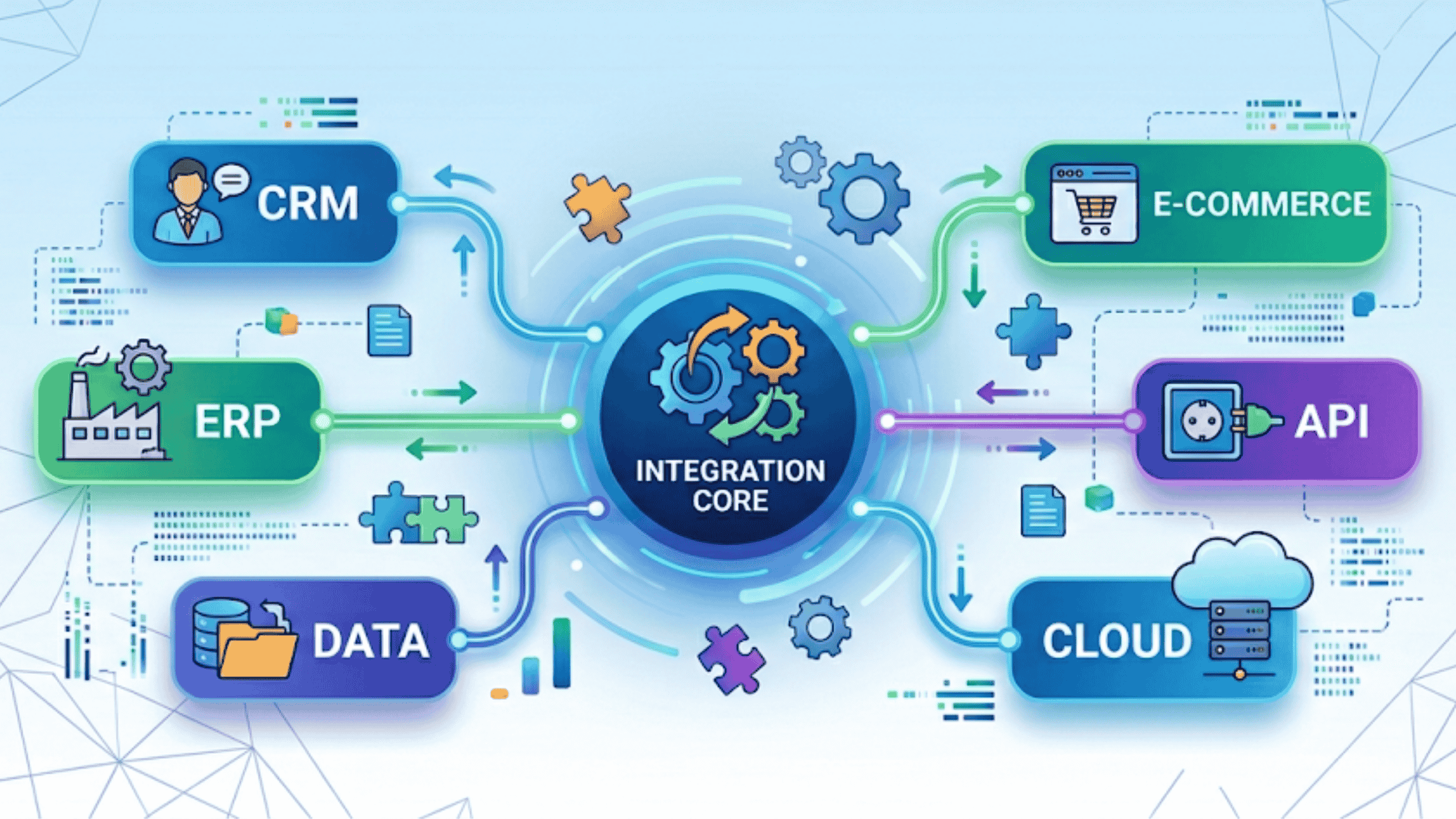
Integration debt builds when systems are connected quickly to meet immediate needs, without a long-term architectural approach. A new application is added, a point-to-point connection is created, a workaround is implemented to meet a deadline, and the system continues to function. On the surface, everything works.

But beneath that surface, complexity begins to grow. Dependencies become harder to track. Changes take longer to implement. Failures become more difficult to diagnose.

This is the cost of ignoring integration debt. In this blog, we break down what integration debt really is, how it builds up in enterprise environments, and what you can do to control it before it starts slowing your business down.

What Is Integration Debt, And Why It’s Different from Technical Debt

Integration debt is often misunderstood because it doesn’t behave like traditional technical debt. It does not reside within a single application or codebase. Instead, it exists between systems, in the connections, dependencies, and data flows that tie your IT landscape together.

While technical debt affects how a system performs internally, integration debt affects how systems interact externally. This makes it significantly harder to identify and even harder to manage.

In most enterprises, integration layers evolve organically. New systems are added over time, each requiring connectivity with existing applications. In the absence of a unified strategy, these connections are built incrementally, often using different methods, tools, and standards.

Over time, this results in:

  • A growing number of tightly coupled integrations
  • Inconsistent communication patterns across systems
  • Limited visibility into how systems depend on each other

Unlike technical debt, which can often be isolated and addressed within a system, integration debt spreads across the entire ecosystem. This makes its impact broader, and its resolution more complex.

How Integration Debt Builds Up in Enterprise Environments

Integration debt is rarely the result of poor decision-making. In fact, it often builds from decisions that make perfect sense in the moment.

A new business requirement emerges, and speed becomes the priority. A direct integration is implemented to meet a deadline. Another system is added, and a similar approach is taken. Over time, these decisions accumulate, creating a web of connections that were never designed to scale.

This buildup is typically driven by:

  • Short-term delivery pressures overriding long-term design
  • Lack of standardized integration frameworks
  • Independent teams building integrations in silos
  • Limited governance over integration practices

Each individual decision feels justified. The problem is cumulative.

As the number of integrations increases, so does the complexity of managing them. What started as a fast and efficient approach gradually becomes a constraint, making every new integration slower, riskier, and more expensive.

The Hidden Cost of Integration Debt

The most dangerous aspect of integration debt is that its impact is not immediate. Systems continue to function, which creates the illusion that everything is under control.

The real cost becomes visible over time, and it manifests in ways that directly affect business performance.

One of the first signs is reduced agility. Simple changes begin to take longer because teams need to assess multiple dependencies before making updates. What should be a straightforward modification turns into a complex coordination effort.

Operational instability is another consequence. Failures in one system start to cascade into others, and diagnosing the root cause becomes increasingly difficult due to the lack of visibility across integrations.

There is also a direct financial impact. Maintenance efforts increase, rework becomes more frequent, and the cost of implementing new integrations rises significantly.

Most importantly, integration debt limits scalability. As the business grows and new systems are introduced, the existing integration landscape struggles to keep up. Instead of enabling growth, it begins to slow it down.

Why Integration Debt Becomes a Barrier to Transformation

Digital transformation initiatives rely heavily on the ability to connect systems, enable real-time data flow, and support dynamic business processes. Integration debt directly undermines these capabilities.

When integration layers are fragmented and tightly coupled, introducing new technologies becomes difficult. Cloud adoption slows down because legacy integrations cannot adapt easily. Real-time capabilities are limited because existing architectures are not designed for them.

This creates a disconnect between business ambition and IT capability. While the organization aims to move faster and become more agile, the underlying integration landscape resists change.

In many cases, transformation initiatives fail not because the vision is flawed, but because the integration foundation is not ready to support it.

Also read: Enterprise Systems Integration Readiness Framework

Addressing integration debt is therefore not just a technical necessity – it is a strategic requirement for enabling transformation.

Identifying Integration Debt Before It Becomes Critical

Integration debt often goes unnoticed until it reaches a critical point. However, there are clear indicators that can help identify it early.

A common sign is the increasing time required to implement new integrations. If every new connection feels more complex than the last, it is likely that underlying dependencies are becoming harder to manage.

Frequent integration failures or performance issues are another indicator. These often point to tightly coupled systems where changes in one area have unintended consequences elsewhere.

Limited visibility into system interactions is also a red flag. If teams cannot clearly map how systems are connected or how data flows between them, managing integration effectively becomes nearly impossible.

Recognizing these signs early allows organizations to take corrective action before integration debt begins to significantly impact operations.

How Team Computers Helps Reduce Integration Debt

Reducing integration debt requires more than incremental fixes. It requires a structured approach that addresses the root causes of complexity.

Team Computers works with enterprises to analyze their existing integration landscape, identify areas of hidden complexity, and define a path toward a more scalable architecture. This includes evaluating current integration patterns, mapping dependencies, and assessing how these factors impact performance and agility.

The focus is on simplification and standardization. By moving away from fragmented, point-to-point integrations and toward more structured integration models, organizations can reduce complexity and improve control.

This approach not only addresses existing integration debt but also prevents new debt from accumulating. Integration becomes more predictable, scalable, and aligned with long-term business objectives.

“Integration debt is not created by bad decisions, it’s created by necessary decisions made without a long-term view. The key is not to avoid it completely, but to manage it before it starts limiting your ability to scale.”
– Head of IT Services, Team Computers

Conclusion

Integration debt is one of the most overlooked challenges in enterprise IT, yet its impact is significant and far-reaching. It builds quietly, driven by short-term decisions, and only becomes visible when it starts slowing down execution and increasing complexity.

Organizations that recognize and address integration debt early are better positioned to maintain agility, control costs, and support long-term growth. Those that ignore it often find themselves constrained by their own systems.

Key takeaways:

  • Integration debt exists in the connections between systems, not within them

  • It builds gradually through short-term integration decisions

  • Its impact includes reduced agility, higher costs, and limited scalability

  • Early identification is critical to preventing long-term disruption

  • A structured approach is required to reduce and control it

If integration is expected to support business growth, it must be managed with the same discipline as any other critical asset. Ignoring integration debt does not make it disappear—it makes it harder to fix later.

Concerned about hidden complexity in your integration landscape?

Discover how Team Computers can help you identify integration debt, simplify your architecture, and build a scalable integration foundation that supports your business—today and as it grows.

Enterprise Systems Integration in the Age of AI and Automation

Artificial intelligence and automation are rapidly transforming how enterprises operate. Organizations are adopting AI-powered analytics, intelligent automation platforms, and machine learning systems to improve efficiency, enhance decision-making, and streamline operations.

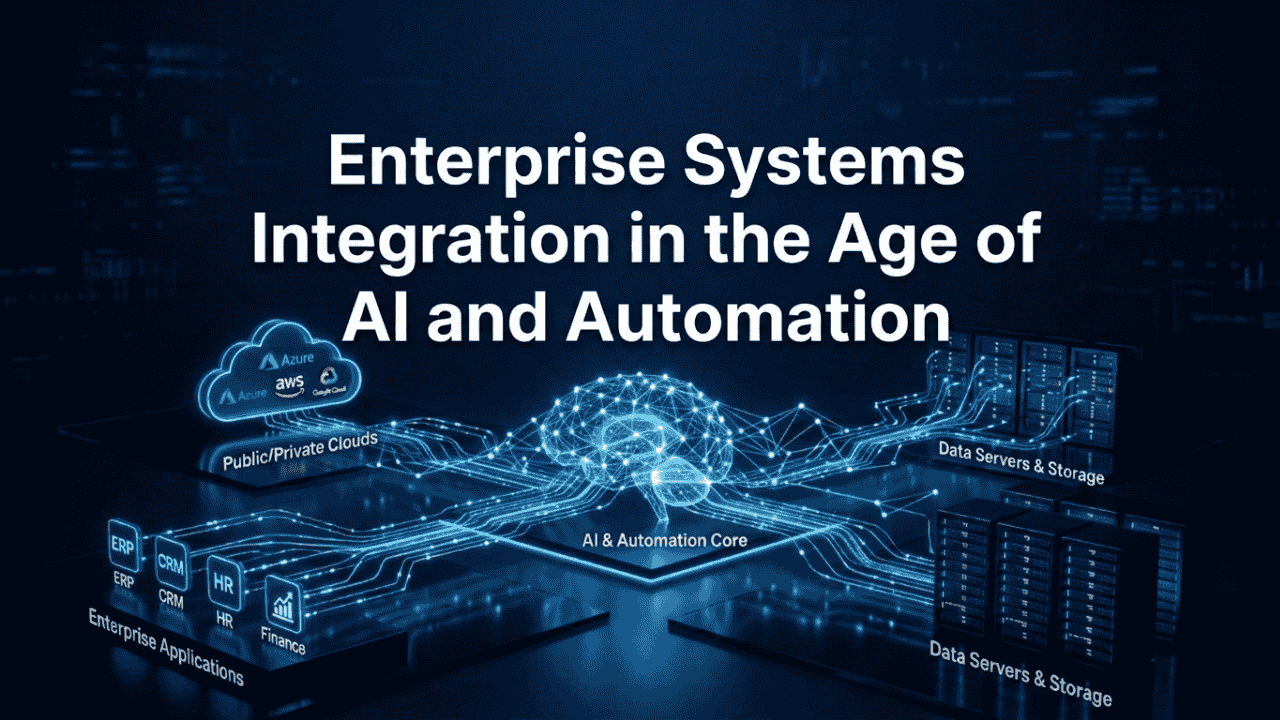
However, these advanced technologies cannot function effectively in isolation. AI models require access to large volumes of accurate and connected data, while automation tools depend on seamless communication between enterprise applications. When enterprise systems operate independently, AI and automation initiatives often struggle to deliver their full value.

This is where enterprise systems integration becomes essential. By connecting applications, infrastructure, and data environments, systems integration enables AI platforms and automation tools to access consistent information and operate across multiple business processes.

In the age of intelligent technologies, enterprises that prioritize enterprise systems integration are better positioned to unlock the full potential of AI and automation. This article explores how integration supports these technologies and why it has become a critical foundation for modern enterprise innovation.

Why AI and Automation Depend on Integrated Enterprise Systems

Artificial intelligence and automation platforms rely heavily on connected data and seamless communication between enterprise technologies. AI models analyze information from multiple sources to generate insights, predictions, and recommendations. Automation platforms execute workflows by interacting with various enterprise applications.

When enterprise systems are not integrated, these technologies face significant limitations. Data may remain isolated within individual systems, preventing AI tools from accessing the comprehensive datasets required for accurate analysis. Similarly, automation workflows may fail when applications cannot communicate with each other effectively.

For example, an AI-driven customer analytics platform may require data from CRM systems, marketing platforms, and support applications. Without integration, gathering this information becomes complex and time-consuming.

Integrated enterprise systems ensure that AI and automation technologies operate with complete and consistent information, allowing organizations to achieve more accurate insights and more reliable automated processes.

The Role of Systems Integration in Enabling Intelligent Automation

Automation has evolved far beyond simple task execution. Modern enterprises are implementing intelligent automation platforms that combine robotic process automation (RPA), machine learning, and advanced analytics.

These automation initiatives require seamless communication between enterprise platforms. Systems integration enables this connectivity by linking applications, databases, and infrastructure environments into a unified technology ecosystem.

With integrated systems, automation platforms can trigger workflows across multiple departments and systems. For example, an automated procurement process may involve ERP systems, supplier platforms, and financial systems. Integration ensures that information flows smoothly across these platforms without manual intervention.

Organizations that implement integrated environments can scale automation initiatives more effectively, reducing operational workloads while improving process accuracy.

How Integrated Data Environments Strengthen AI Capabilities

Data is the foundation of any successful AI initiative. Machine learning models require large datasets that are accurate, consistent, and accessible across enterprise platforms.

In many organizations, data remains scattered across multiple applications and databases. CRM systems store customer information, ERP platforms manage operational data, and analytics tools track performance metrics. When these systems operate independently, AI tools cannot easily access the full dataset required for reliable insights.

Enterprise systems integration solves this challenge by enabling seamless data exchange between systems. Integration frameworks allow enterprises to synchronize information across applications and create unified data environments.

With integrated data ecosystems, AI platforms can analyze information from multiple sources simultaneously. This improves the accuracy of predictive models, enhances analytics capabilities, and enables organizations to make more informed decisions.

Preparing Enterprise IT Environments for AI-Driven Operations

Adopting AI and automation technologies requires more than simply implementing new software tools. Organizations must ensure that their technology environments can support these advanced capabilities.

Enterprises preparing for AI-driven operations typically focus on several key areas:

  • Ensuring enterprise applications are connected through integration frameworks
  • Creating unified data environments that support advanced analytics
  • Modernizing infrastructure platforms to handle AI workloads
  • Establishing secure communication between systems

When these elements are in place, enterprises can implement AI and automation technologies more effectively. Integrated technology environments allow organizations to deploy intelligent tools across departments while maintaining operational consistency.

This approach ensures that AI and automation initiatives deliver measurable business value rather than becoming isolated technology experiments.

How Team Computers Supports Enterprise Integration for AI and Automation

Implementing AI and automation successfully requires a strong integration foundation. Enterprises must connect applications, infrastructure environments, and data systems to ensure that intelligent technologies can operate across the organization.

Team Computers helps enterprises design and implement enterprise systems integration frameworks that support modern AI and automation initiatives.

With extensive experience in enterprise IT environments, Team Computers enables organizations to integrate critical business applications, align infrastructure platforms, and create unified data ecosystems. These integration strategies allow enterprises to deploy AI-driven analytics, automate workflows, and enhance operational efficiency.

By building connected technology environments, Team Computers helps organizations unlock the full potential of intelligent technologies while maintaining scalability and security.

Conclusion

Artificial intelligence and automation are reshaping enterprise operations, but their success depends on a strong technological foundation. Organizations must ensure that applications, infrastructure, and data environments are connected so intelligent systems can access the information they need.

Enterprise systems integration provides the framework required to support these advanced technologies.

Key takeaways include:

  • AI and automation require connected enterprise systems
  • Integrated environments enable seamless data exchange
  • Systems integration supports intelligent automation workflows
  • Unified data ecosystems strengthen AI-driven insights

Enterprises that prioritize integration will be better equipped to implement intelligent technologies and drive long-term innovation.

AI and automation initiatives can only succeed when enterprise technologies operate as a connected ecosystem. Discover how Team Computers helps organizations implement enterprise systems integration strategies that support AI-driven innovation and intelligent automation.

Explore how integrated enterprise systems can power the next phase of your digital transformation.

The Invisible Backbone: Why Datacenter Managed Services are the Unsung Heroes of Enterprise Scale

In the race toward digital transformation, most attention is focused on visible innovation, AI platforms, customer applications, and advanced analytics.

Yet beneath every digital interaction lies a critical foundation: the data center.

As enterprises scale, this foundation becomes increasingly complex. What once involved managing a few servers has evolved into operating hybrid environments spanning on-premise systems, cloud platforms, and distributed infrastructure.

In this environment, Data Center Managed Services are no longer just operational support, they are a key enabler of enterprise scale, resilience, and performance.

The Growing Complexity of Modern Infrastructure

Modern data centers are no longer confined to a single physical location. They function as interconnected ecosystems that support real-time business operations.

Enterprises today must manage:

  • Hybrid environments combining on-premise and cloud infrastructure
  • Continuous data exchange across distributed systems
  • High availability requirements across multiple geographies
  • Increasing security and compliance demands

As organizations grow, this complexity multiplies rapidly.

Without structured management, IT teams often become reactive, focused on resolving issues rather than enabling progress.

Why Traditional Data Center Management No Longer Scales

Internal IT teams are frequently stretched between operational responsibilities and strategic initiatives.

As infrastructure expands, several challenges emerge:

  • Limited visibility across hybrid environments
  • Delayed detection of performance issues
  • Difficulty maintaining 24×7 monitoring
  • Shortage of specialized expertise across infrastructure domains

This often results in a cycle of constant troubleshooting, where teams spend more time maintaining systems than improving them.

Over time, this limits the organization’s ability to scale efficiently.

How Data Center Managed Services Enable Enterprise Scale

Data Center Managed Services introduce a structured and proactive approach to infrastructure management.

Instead of reacting to failures, organizations gain continuous visibility and control over their IT environments.

Predictive Monitoring

Continuous monitoring helps identify anomalies early, reducing downtime and improving system reliability.

Built-In Compliance

Managed environments ensure adherence to evolving regulatory standards such as ISO, SOC2, and GDPR.

Access to Specialized Expertise

Organizations gain access to skilled professionals across infrastructure, networking, and security without expanding internal teams.

24×7 Operational Continuity

Round-the-clock monitoring ensures infrastructure stability across business hours and geographies.

Strengthening Infrastructure Resilience and Performance

A key advantage of Data Center Managed Services is the ability to maintain consistent performance under growing demand.

Managed environments enable:

  • Faster detection and resolution of infrastructure issues
  • Improved system uptime and availability
  • Better capacity planning for scaling workloads
  • Reduced risk of unexpected disruptions

This ensures that infrastructure can support business operations without becoming a bottleneck.

From Infrastructure Maintenance to Business Momentum

The real value of Data Center Managed Services lies in what they enable.

When infrastructure is stable, secure, and continuously optimized:

  • IT teams can focus on innovation instead of maintenance
  • Organizations gain confidence in scaling operations
  • Business leaders can prioritize growth initiatives

This shift allows IT to evolve from a support function to a driver of enterprise progress.

A Strong Foundation for Enterprise Growth

In today’s digital economy, infrastructure is not just a backend function, it is the foundation of business success.

Data Center Managed Services provide the stability, scalability, and operational discipline required to manage complex IT environments.

Key takeaways include:

  • Enterprise infrastructure is becoming increasingly complex
  • Traditional management approaches struggle to scale
  • Managed services enable proactive and resilient operations
  • A strong infrastructure foundation supports long-term growth

Organizations that invest in robust infrastructure management are better positioned to scale, innovate, and compete.

Is your infrastructure ready to support your next phase of growth?

Discover how Team Computers can help you manage and scale your IT backbone with Data Center Managed Services, ensuring stability, performance, and long-term business success.

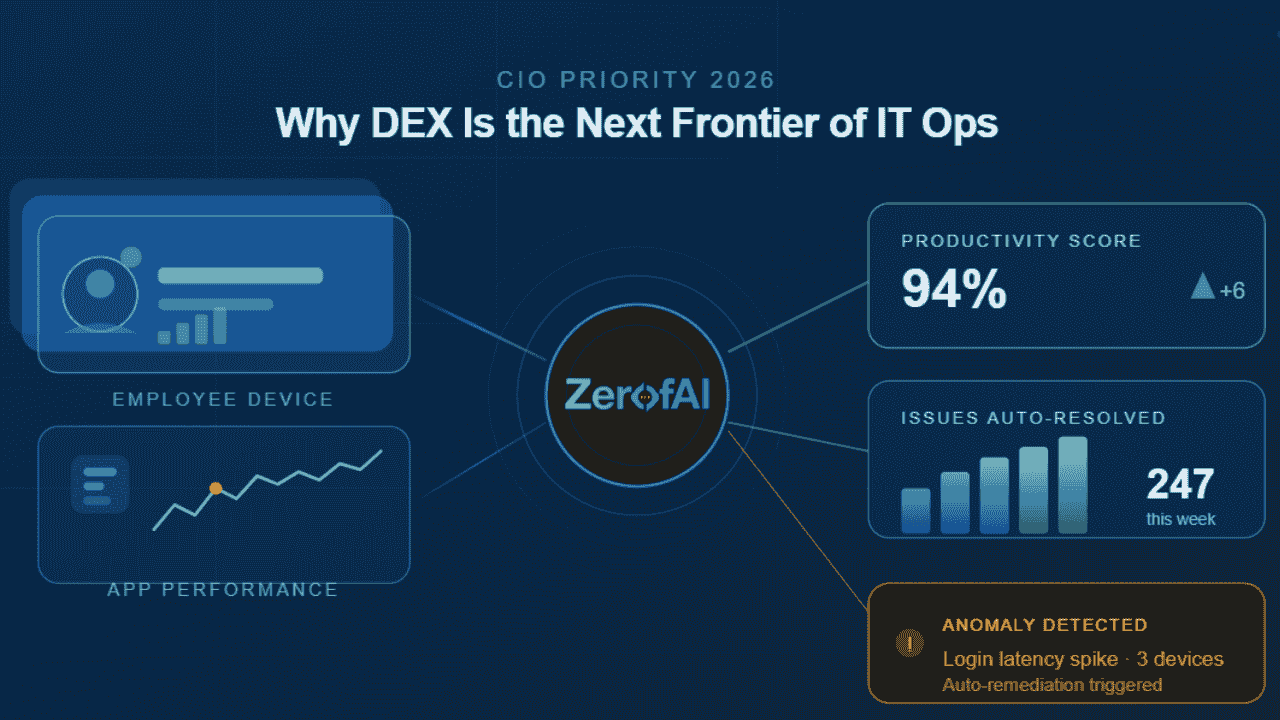
Why Digital Employee Experience (DEX) Is the Next Frontier of IT Operations

For years, IT performance was measured using infrastructure metrics such as uptime, network latency, and ticket resolution time. While these indicators remain important, they no longer reflect the full reality of the modern workplace.

An application can meet its uptime target, yet employees may still struggle with slow logins, lagging collaboration tools, or unstable devices. In hybrid and digital-first environments, these small disruptions accumulate and quietly impact productivity.

This shift has pushed many enterprises to focus on Digital Employee Experience (DEX).

DEX moves IT operations beyond infrastructure monitoring and toward understanding how employees actually experience technology across devices, applications, and networks. For CIOs, this represents a critical shift: from managing systems to optimizing the digital environment that supports workforce productivity.

The Hidden Productivity Gap in the Digital Workplace

Organizations have invested heavily in digital workplace tools from collaboration platforms to cloud-based productivity applications. However, IT teams often lack clear visibility into how these tools perform from the employee’s perspective.

Common issues frequently remain unnoticed:

  • Applications that take longer than expected to launch
  • Gradual device performance degradation
  • Network instability affecting remote employees
  • Authentication delays across enterprise systems

These issues rarely trigger traditional infrastructure alerts, yet they directly affect employee efficiency.

DEX platforms address this blind spot by monitoring digital experience signals, allowing IT teams to understand and improve how technology performs for employees in real time.

What Defines a Modern DEX Platform

A Digital Employee Experience platform goes beyond endpoint monitoring. It combines telemetry, analytics, and automation to provide a holistic view of workplace technology performance.

Key capabilities typically include:

End-user experience visibility
Monitoring device health, application responsiveness, and system performance from the user’s perspective.

Real-time issue detection
Identifying experience degradation before it becomes a widespread problem.

Digital workplace analytics
Providing insights into device usage patterns, application performance, and potential productivity bottlenecks.

Automated remediation
Resolving recurring issues automatically, reducing service desk workload.

Together, these capabilities allow IT teams to shift from reactive troubleshooting toward proactive experience management.

Why CIOs Are Prioritizing Digital Employee Experience

As hybrid work becomes the norm, employee productivity increasingly depends on reliable digital tools.

CIOs are recognizing that even small technology disruptions can affect business performance when multiplied across thousands of employees.

Key drivers behind DEX adoption include:

Hybrid workforce enablement
Employees now work across multiple locations, networks, and devices.

Productivity optimization
Reducing technology friction helps employees maintain focus and efficiency.

Lower support volumes
Early detection of issues prevents them from reaching the service desk.

Improved employee satisfaction
Consistent digital experiences contribute to workforce engagement and retention.

DEX therefore becomes not only an IT capability but a strategic tool for improving organizational productivity.

The Role of AI and Automation in Digital Experience Management

Monitoring digital experience across thousands of endpoints generates vast amounts of operational data. Identifying meaningful patterns within that data requires intelligent analytics.

Platforms such as ZerofAI apply AI/ML-driven analysis to infrastructure and endpoint telemetry, enabling IT teams to:

  • detect anomalies affecting application or device performance
  • identify the root causes of recurring issues
  • anticipate potential disruptions before employees experience them
  • automate remediation workflows

By combining DEX insights with AIOps intelligence, organizations gain a more proactive and scalable approach to managing the digital workplace.

From IT Support to Experience-Driven Operations

Digital Employee Experience is changing the way IT teams operate.

Traditional support models rely on employees reporting issues after productivity has already been affected. DEX enables IT teams to identify and address problems much earlier.

Within managed services environments, this approach allows providers like Team Computers to move beyond infrastructure monitoring and deliver experience-driven IT operations.

By integrating digital workplace monitoring with platforms such as ZerofAI, organizations can maintain visibility into employee technology performance and resolve issues proactively.

The Future of IT Is Experience-Driven

The modern workplace is defined not just by infrastructure reliability but by how effectively technology supports employees in their daily work.

Digital Employee Experience platforms provide the insights required to manage that environment effectively.

Key takeaways include:

  • Traditional monitoring focuses primarily on infrastructure performance
  • DEX focuses on employee productivity and digital experience
  • AI and automation enable proactive management of workplace technology
  • Platforms like ZerofAI help organizations maintain consistent digital experiences at scale

As enterprises continue to adopt hybrid and digital-first work models, experience-driven IT operations will become a defining capability of successful organizations.

Do you have visibility into how employees actually experience your workplace technology?

Discover how Team Computers combines Managed Services expertise with intelligent platforms like ZerofAI to help enterprises monitor, optimize, and continuously improve Digital Employee Experience across the organization.

The 2026 CIO Mandate: Why Leading Tech Executives Are Trading ‘Management’ for ‘Orchestration’

The role of the Chief Information Officer has reached a turning point.

In 2026, CIOs are no longer judged by uptime percentages or system availability, those are now considered baseline expectations. Instead, technology leaders are evaluated on their ability to accelerate innovation, support digital business models, and deliver measurable outcomes from IT investments.

But there is a fundamental challenge.

You cannot build the future if your best engineers are still occupied with maintaining the present.

Forward looking CIOs are recognizing this reality. Rather than managing infrastructure directly, they are evolving into orchestrators of complex digital ecosystems, combining internal teams, managed service partners, and intelligent automation platforms to drive business outcomes.

The Burden of “Keeping the Lights On”

For years, a large portion of IT resources has been spent on keeping the lights on (KLO) routine operational activities such as server patching, monitoring infrastructure, and managing NOC operations.

These tasks are essential, but they rarely create competitive advantage.

In today’s enterprise environment, the challenge has intensified:

  • Hybrid-cloud sprawl is spreading workloads across multiple environments.

  • Cybersecurity threats are evolving faster than traditional defenses.

  • Specialized talent shortages make it difficult to maintain deep expertise internally.

When highly skilled engineers spend most of their time maintaining infrastructure, innovation slows down. Operational overhead becomes the silent barrier preventing organizations from moving forward.

Why Orchestration Is Becoming the CIO’s Competitive Advantage

To overcome this challenge, many CIOs are shifting from an operations mindset to an orchestration mindset.

Instead of running every infrastructure component internally, they are partnering with managed services providers who handle continuous operations.

This shift allows CIOs to:

Redirect capital to innovation
Moving from infrastructure-heavy investments to flexible operational models that fund transformation initiatives.

Unlock proactive intelligence
Modern managed services combine monitoring with automation engines that detect and resolve issues before they escalate.

Focus on business outcomes
Instead of discussing server performance, CIOs can focus on metrics that matter to the board, customer experience, speed of innovation, and operational agility.

The Partnership Model: Beyond the Vendor Relationship

This shift is also transforming how organizations view service providers.

The traditional vendor relationship where providers simply delivered infrastructure support is evolving into strategic partnerships.

Modern managed services now provide:

  • Predictive operations, moving beyond traditional SLAs toward experience-focused XLAs.

  • AI-ready infrastructure, ensuring data environments are structured for advanced analytics and automation.

  • Global delivery capabilities, providing 24×7 expertise that many organizations struggle to build internally.

Providers like Team Computers are helping enterprises adopt this model by combining infrastructure management with intelligent monitoring platforms such as ZerofAI, enabling more proactive and resilient IT operations.

Leading the Future-Ready Enterprise

The CIOs who will lead successful enterprises in the coming years are not those who attempt to manage every system internally.

They are the leaders who understand how to orchestrate technology, partners, and automation into a unified digital ecosystem.

By delegating operational complexity to trusted managed service partners, CIOs gain the one resource they need most focus.

The future of enterprise IT will not be defined by who owns the largest infrastructure. It will be defined by who can orchestrate the most agile, intelligent, and outcome-driven technology environment.

Is your IT team spending more time managing infrastructure than driving innovation?

Discover how Managed Services from Team Computers can help your organization move from operational management to strategic IT orchestration allowing your teams to focus on what truly drives business growth.

Making iPhone Adoption Easier for Enterprises with Team Computers Smart EPP

Work today looks very different from what it did just a few years ago. Employees are no longer tied to office desks or fixed workstations. Meetings happen on the move, decisions are made while traveling, and collaboration happens across cities and time zones.

In this fast-moving work environment, professionals need tools that keep them connected and productive wherever they are. That’s where iPhone adoption becomes a strategic advantage — turning a smartphone into a powerful enterprise work companion.

With its powerful performance, intuitive interface, and seamless connectivity, iPhone allows employees to carry their office in their pocket. Whether it’s responding to emails, reviewing presentations before a meeting, joining a video call, or managing tasks on the go — work happens smoothly without needing to open a laptop every time.

Work Doesn’t Wait — And Neither Should Your Tools

In many industries today, speed matters. Teams often need to respond to clients, approve documents, or share updates instantly. The iPhone allows professionals to stay connected to their work ecosystem throughout the day.

From checking dashboards and collaborating on messaging platforms to accessing cloud documents and managing schedules, employees can handle a large part of their daily workflow directly from their device. The experience is designed to be simple and intuitive, allowing professionals to focus on getting work done rather than managing complicated tools.

This kind of flexibility helps teams remain productive whether they are commuting, traveling, or stepping out for meetings.

Seamless Collaboration on the Go

Modern teams rely heavily on collaboration tools, and the iPhone makes it easier for employees to stay connected with colleagues and clients. With high-quality video calls, instant messaging, and easy document sharing, teams can continue working together even when they are miles apart.

Professionals can join meetings, share files, review documents, and communicate with their teams effortlessly. This mobility ensures that work keeps moving forward without delays, helping organizations maintain efficiency in a fast-paced business environment.

The ability to collaborate from anywhere also supports the growing hybrid work culture that many companies are embracing today.

A Natural Fit with the Apple Ecosystem

Another reason iPhone adoption works so well in the workplace is how seamlessly it integrates with the broader Apple ecosystem. Employees who use Mac can easily move tasks between devices, making their workflow smoother and more connected.

For example, a document started on a Mac can be quickly reviewed on an iPhone before a meeting, or messages and calls can continue across devices without interruption. This continuity helps employees stay productive across different work situations, whether they are at their desks or on the move.

When organizations adopt Apple devices together, the workplace becomes more fluid and efficient.

Enterprise-Ready iPhone Adoption with Team Computers

While the iPhone is incredibly powerful on its own, organizations need the right strategy to deploy and manage devices across teams. This is where Team Computers plays a key role in enabling businesses to adopt Apple technology at scale through its Smart EPP (Employee Purchase Programme).

Team Computers supports enterprises across the full iPhone adoption journey:

  • Device procurement tailored to enterprise needs
  • Managed deployment across teams and locations
  • Smooth integration with existing IT systems and MDM platforms
  • Ongoing security and device management support

This allows businesses to provide employees with the tools they love while maintaining strong control over security and device management. With the right support in place, companies can unlock the full value of mobility and empower their teams to work from anywhere.

The Future of Work Is Mobile

As businesses continue to embrace flexible and hybrid work models, mobility will remain at the heart of modern productivity. Devices like the iPhone are no longer just communication tools — they are becoming essential work devices that enable professionals to stay connected, informed, and productive throughout the day.

By combining the power of iPhone with the enterprise expertise of Team Computers, organizations can create a workplace where employees truly have their office in their pocket — ready to work whenever and wherever opportunity arises.

Ready to simplify iPhone adoption for your organization? Discover how Team Computers Smart EPP helps enterprises deploy, manage, and maximize Apple devices at scale.

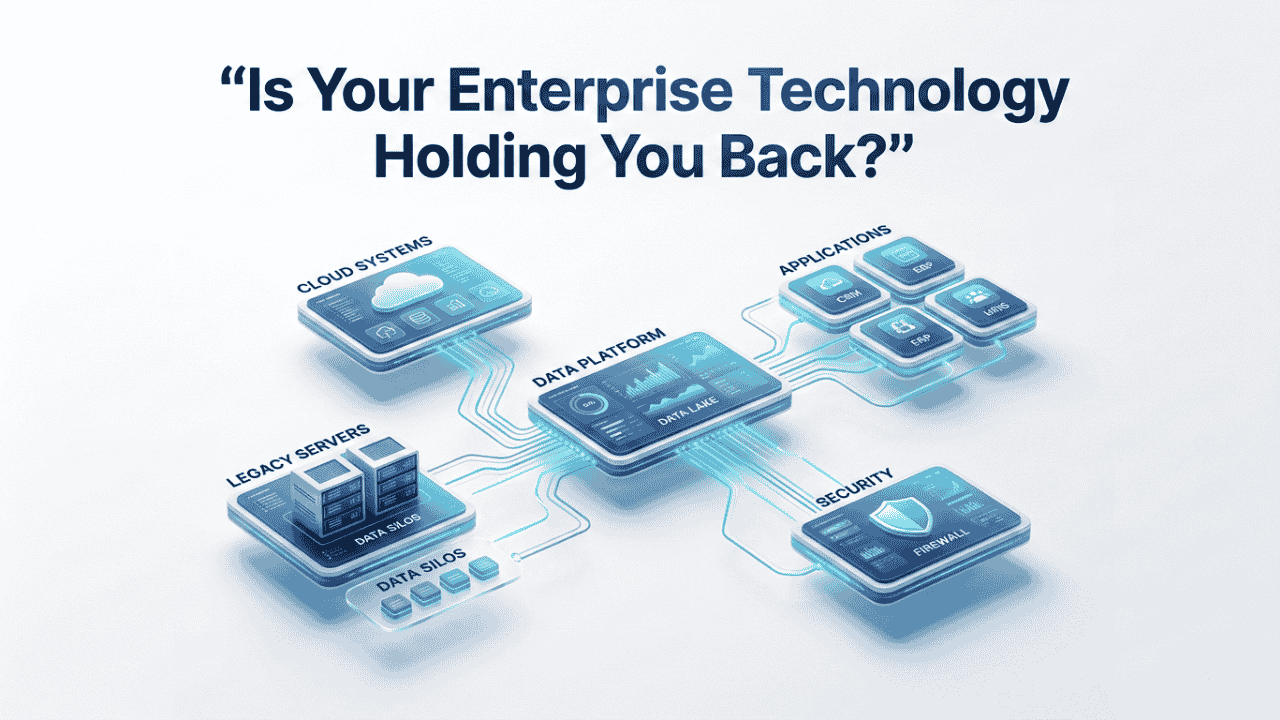
Is Your Enterprise Technology Holding You Back?

Many enterprises invest heavily in modern technologies to improve efficiency, enable digital transformation, and support long-term growth. Cloud platforms, enterprise applications, analytics tools, and cybersecurity systems promise to make organizations faster, smarter, and more competitive.

Yet despite these investments, many businesses still struggle with operational inefficiencies and slow decision-making. Teams spend time switching between disconnected systems, data remains scattered across multiple platforms, and IT teams face growing complexity as new technologies are added.

If this scenario sounds familiar, the problem may not be the technology itself. The real issue is often the lack of alignment between infrastructure, applications, and data systems.

This is where systems integration plays a crucial role. By connecting enterprise technologies into a unified ecosystem, organizations can eliminate silos, improve data visibility, and ensure that every technology investment contributes to real business outcomes.

In this article, we explore the warning signs that enterprise technology may be slowing your organization down, and how integrated technology environments can unlock greater efficiency, agility, and innovation.

Warning Signs Your Enterprise Technology Is Creating Bottlenecks

Enterprise technology environments usually evolve over time. As organizations grow, they introduce new applications, upgrade infrastructure platforms, and adopt data systems to address changing business needs. While each addition may solve a specific operational challenge, the overall environment often becomes fragmented.

Over time, teams may find themselves relying on manual processes to move information between systems because applications do not communicate directly. Data may be stored across multiple platforms without synchronization, making it difficult to gain a consistent view of business performance. Decision-making can also slow down when leadership teams must consolidate information from several systems before reaching conclusions.

These inefficiencies gradually increase operational complexity. IT teams spend more time maintaining compatibility between systems rather than focusing on innovation or strategic improvements. As the technology environment grows, these small inefficiencies compound and begin to affect enterprise productivity and agility.

Research from industry analysts indicates that organizations with fragmented technology ecosystems experience higher operational costs and slower innovation cycles.

How Fragmented Systems Impact Business Performance

Disconnected technology environments affect more than just IT teams; they influence the overall performance of the organization. When enterprise systems do not communicate effectively, business units operate with incomplete information, which makes collaboration more difficult.

For example, sales teams may lack visibility into service issues affecting customers, while support teams may not have access to a complete record of previous customer interactions. Marketing teams may operate with limited insights into customer engagement data stored within other systems. These information gaps create inefficiencies that slow down both operational workflows and strategic decision-making.

As the organization grows, fragmented systems can also make it difficult to scale operations efficiently. New platforms may need custom integrations or manual processes to function alongside existing systems, which increases complexity for IT teams.

Ultimately, technology environments that lack integration often prevent enterprises from responding quickly to market opportunities. Instead of enabling innovation, disconnected systems can become a barrier to business agility and growth.

Why Systems Integration Is the Missing Link

The most effective way to address these challenges is through systems integration, which focuses on connecting enterprise technologies into a cohesive architecture.

Instead of operating independently, integrated systems communicate through APIs, middleware frameworks, and data integration platforms. This connectivity ensures that information flows smoothly between infrastructure environments, enterprise applications, and data systems.

Key outcomes of systems integration include:

  • Real-time data exchange across enterprise platforms
  • Automated workflows that reduce manual intervention
  • Unified monitoring across infrastructure and applications
  • Improved collaboration between business units

When enterprise technologies operate as part of a connected ecosystem, organizations gain the ability to streamline operations and improve decision-making.

Building a Connected Enterprise Technology Ecosystem

Creating a connected technology ecosystem requires a thoughtful integration strategy. Organizations must evaluate how infrastructure platforms, enterprise applications, and data environments interact and determine where integration gaps exist.

A structured integration strategy begins with assessing the current technology landscape to identify inefficiencies and disconnected systems. Once these gaps are understood, organizations can design scalable integration architectures that allow systems to communicate effectively.

Integration frameworks typically involve technologies such as APIs, middleware platforms, and data integration tools that enable seamless communication between applications. These technologies allow enterprise data to move efficiently across systems while maintaining security and performance standards.

When integration strategies are implemented successfully, enterprises gain the ability to introduce new technologies without disrupting existing operations. This flexibility allows organizations to scale their technology environments while maintaining operational stability.

How Team Computers Helps Enterprises Overcome Technology Fragmentation

Addressing technology fragmentation requires deep expertise across infrastructure platforms, enterprise applications, and data environments. Organizations must ensure that integration frameworks support scalability, security, and operational efficiency.

Team Computers helps enterprises design and implement systems integration strategies that transform fragmented technology environments into unified digital ecosystems.

With decades of experience in enterprise IT environments, Team Computers supports organizations in:

  • Connecting enterprise applications such as ERP, CRM, and analytics platforms
  • Integrating hybrid cloud and on-premise infrastructure environments
  • Enabling seamless data synchronization across enterprise systems
  • Designing scalable integration architectures that support digital transformation

Through structured integration frameworks, Team Computers enables businesses to eliminate technology silos and unlock the full value of their IT investments.

Conclusion

Enterprise technology should empower organizations to move faster, innovate more effectively, and make smarter decisions. However, when systems operate independently, technology can become a source of inefficiency rather than a driver of growth.

Systems integration plays a vital role in aligning infrastructure, applications, and data systems so that enterprise technologies operate as part of a connected ecosystem.

Key takeaways include:

  • Fragmented enterprise systems create operational bottlenecks
  • Disconnected data environments limit visibility and collaboration
  • Systems integration enables unified technology ecosystems
  • Integrated environments improve efficiency, scalability, and innovation

Organizations that prioritize integration gain the flexibility and insight required to thrive in an increasingly digital business landscape.

If your enterprise technology environment feels complex, fragmented, or difficult to scale, it may be time to rethink your integration strategy.

Discover how Team Computers helps organizations connect infrastructure, applications, and data through enterprise systems integration – enabling more efficient operations and stronger digital growth.

How Systems Integration Aligns Infrastructure, Applications, and Data

Enterprise technology environments are rarely simple. Most organizations operate a combination of infrastructure platforms, enterprise applications, and data systems that support daily operations. Servers, cloud platforms, ERP systems, CRM tools, analytics platforms, and security frameworks all play critical roles in enabling modern business processes.

However, when these components operate independently, organizations struggle to maintain operational efficiency. Infrastructure may function well, applications may deliver strong capabilities, and data platforms may generate insights—but without proper alignment between these elements, enterprises often face fragmented workflows and limited visibility.

This is where systems integration becomes essential. By connecting infrastructure, applications, and data environments, systems integration enables organizations to create unified technology ecosystems where information flows seamlessly and processes operate efficiently.

In this blog, we explore how systems integration aligns infrastructure, applications, and data, why this alignment matters for enterprise operations, and how organizations can build integrated technology environments that support scalability, innovation, and long-term digital transformation.

The Challenge of Disconnected Enterprise Technology Environments

Most enterprises adopt technology in phases. Over time, organizations deploy new infrastructure platforms, enterprise applications, and data solutions to support evolving business requirements. While each of these technologies delivers value independently, the overall IT environment often becomes fragmented.

Disconnected systems create operational inefficiencies that affect both IT teams and business functions. Infrastructure platforms may operate separately from application environments, while critical business data remains stored across multiple systems without synchronization. As a result, organizations often struggle to gain a unified view of enterprise operations.

When infrastructure, applications, and data environments are not aligned, teams frequently rely on manual processes to move information between systems. This slows workflows, increases the likelihood of errors, and limits the organization’s ability to make timely decisions. Over time, the complexity of managing disconnected systems places additional pressure on IT teams while reducing overall operational efficiency.

These challenges highlight the growing importance of enterprise systems integration, which enables organizations to connect technologies and ensure that enterprise platforms operate as part of a cohesive ecosystem.

How Systems Integration Connects Infrastructure, Applications, and Data

Systems integration focuses on creating a connected technology environment where infrastructure platforms, enterprise applications, and data systems operate together within a unified architecture.

Instead of functioning as isolated components, integrated systems communicate through structured frameworks such as APIs, middleware platforms, and data integration technologies. This connectivity allows enterprise platforms to exchange information seamlessly while maintaining operational stability.

Through systems integration, organizations can enable real-time communication between applications, centralized monitoring across infrastructure environments, and automated workflows that connect multiple business systems. Data generated by enterprise applications can flow directly into analytics platforms, providing leadership teams with timely insights that support faster decision-making.

By aligning infrastructure, applications, and data environments, enterprises can ensure that technology investments contribute to a unified operational strategy rather than creating additional complexity.

The Business Value of Aligning Infrastructure, Applications, and Data

When organizations successfully align infrastructure, applications, and data through systems integration, they unlock significant operational and strategic advantages.

Integrated environments improve operational efficiency by enabling automated workflows across business systems. Instead of relying on manual data transfers, applications communicate directly with each other, allowing processes to run more smoothly and reducing the potential for human error.

Another major benefit is improved data visibility. When enterprise data flows seamlessly across systems, decision-makers gain a more comprehensive view of business performance. This real-time visibility supports faster responses to operational challenges and helps organizations identify opportunities for improvement.

Integrated technology ecosystems also enable enterprises to scale more effectively. New platforms, applications, or digital services can be introduced into an existing integrated environment without disrupting operations. This flexibility is particularly valuable for organizations undergoing digital transformation initiatives, where technology environments must continuously evolve.

Building an Enterprise Integration Architecture

Achieving alignment across infrastructure, applications, and data requires a carefully designed integration architecture. Enterprises must establish a framework that determines how systems communicate, how data flows between platforms, and how performance is monitored across the environment.

A successful enterprise integration architecture typically combines several essential elements that support connectivity and operational visibility:

  • API frameworks that enable secure communication between applications
  • Middleware platforms that manage interactions between enterprise systems
  • Data integration tools that synchronize information across databases and applications
  • Monitoring systems that provide visibility into infrastructure and application performance 

Together, these components form the integration layer that allows enterprise technologies to operate as a unified ecosystem. Organizations that invest in structured integration architectures gain the ability to expand their technology environments while maintaining stability and security.

How Team Computers Enables Integrated Enterprise Technology Environments

Implementing enterprise-wide systems integration requires expertise across infrastructure platforms, enterprise applications, and data environments. Integration initiatives must ensure seamless connectivity while maintaining security, scalability, and performance.

Team Computers helps organizations design and implement enterprise systems integration frameworks that align infrastructure, applications, and data systems.

With decades of experience in enterprise IT environments, Team Computers supports organizations in:

  • Integrating enterprise applications such as ERP, CRM, and analytics platforms
  • Connecting cloud and on-premise infrastructure environments
  • Enabling real-time data synchronization across systems
  • Building scalable integration architectures that support future growth

By aligning technology infrastructure with business objectives, Team Computers helps enterprises eliminate data silos, improve operational visibility, and create connected technology ecosystems.

Conclusion

Modern enterprises depend on complex technology ecosystems that include infrastructure platforms, enterprise applications, and data environments. When these components operate independently, organizations face inefficiencies, limited visibility, and increased operational complexity.

Systems integration addresses these challenges by aligning infrastructure, applications, and data into a connected architecture that supports enterprise operations.

Key takeaways include:

  • Disconnected technology environments create operational silos
  • Systems integration enables seamless communication between platforms
  • Integrated environments improve visibility, efficiency, and scalability
  • Structured integration architectures support long-term digital transformation

Organizations that invest in systems integration gain the flexibility and insight required to adapt to evolving technology demands.

Aligning infrastructure, applications, and data is essential for building scalable enterprise technology environments. Discover how Team Computers helps organizations implement systems integration strategies that connect platforms, streamline operations, and support long-term digital transformation.

Explore how integrated enterprise environments can strengthen your organization’s technology foundation.

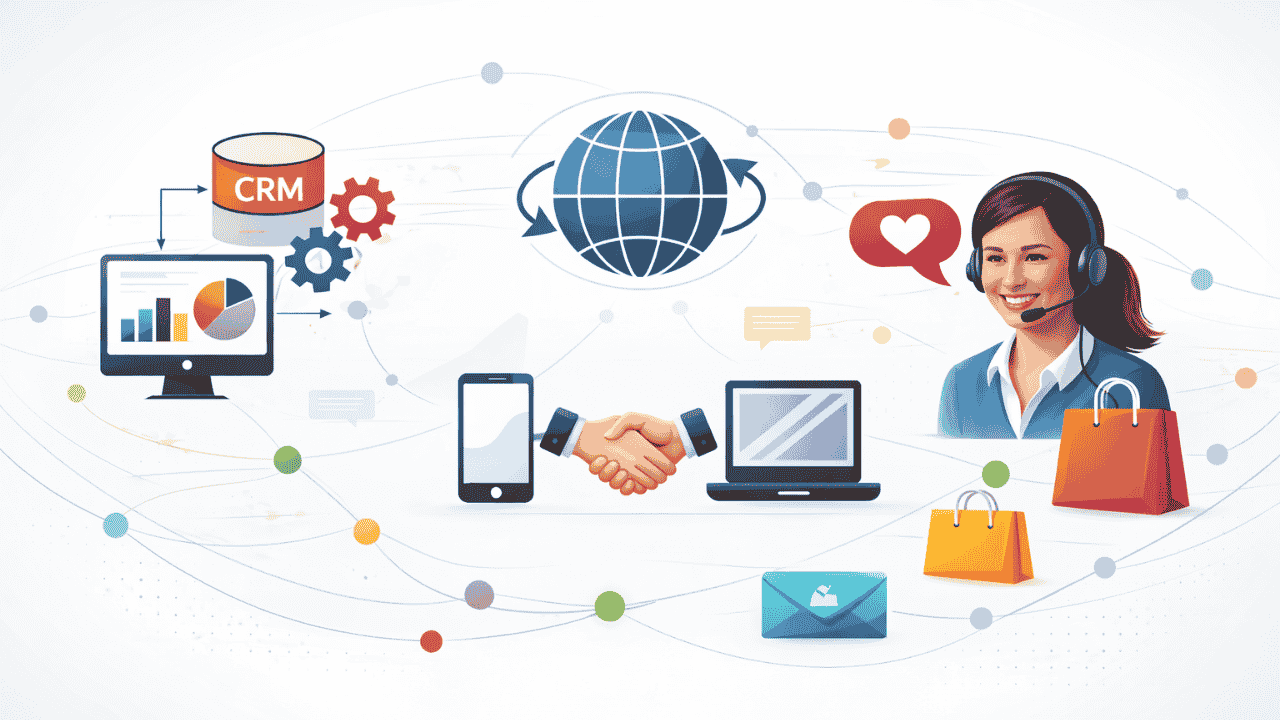
How Systems Integration Enables Seamless Customer Experience

Customer expectations have evolved rapidly in the digital era. Today’s customers expect organizations to deliver fast, personalized, and consistent experiences across every interaction, whether it occurs through websites, mobile apps, support channels, or physical locations.

However, many enterprises operate multiple platforms for customer management, marketing automation, service operations, and analytics. When these systems operate independently, customer information becomes fragmented and difficult to access.

Team Computers helps organizations address this challenge through enterprise systems integration, enabling customer-facing platforms and backend systems to operate as part of a connected digital ecosystem.

Through effective systems integration, enterprises can streamline workflows, improve data visibility, and ensure that every customer interaction is supported by accurate and real-time information.

The Challenge of Disconnected Customer Systems

Most enterprises rely on a variety of applications to manage customer relationships. CRM platforms support sales teams, marketing automation tools manage campaigns, and customer service platforms handle support requests.

While each platform plays an important role, they often function independently. This lack of connectivity creates data silos, where customer information is stored in different systems without synchronization.

When systems remain disconnected, organizations struggle to maintain a consistent view of customer interactions. Sales teams may not see service history, support teams may lack visibility into previous marketing engagements, and marketing teams may operate without access to real-time customer insights.

Over time, these gaps create delays, inconsistent communication, and reduced customer satisfaction. Organizations therefore need integrated technology environments where applications share data and support seamless collaboration across teams.

Creating a Unified Customer View Through Systems Integration

One of the most important outcomes of enterprise systems integration is the creation of a unified customer view. When enterprise platforms are integrated, customer data flows seamlessly across systems, allowing organizations to build a comprehensive profile of each customer.

This integrated environment enables teams across departments to access the same accurate information. Customer service representatives can quickly review purchase history, previous support requests, and interaction records. Sales teams gain insights into customer engagement, while marketing teams can analyze behavior across channels.

With a connected technology ecosystem, organizations can respond to customer needs more effectively. A unified view of the customer enables faster problem resolution, improved personalization, and stronger customer relationships.

Systems integration therefore plays a crucial role in helping enterprises deliver consistent and reliable customer experiences.

Enhancing Customer Journeys Across Digital Channels

Customer journeys often involve multiple touchpoints across digital and physical channels. A customer may first interact with a brand through a website, continue engagement through email campaigns, and later contact support through a service portal.

Without systems integration, these interactions remain isolated within separate platforms. This makes it difficult for organizations to understand the full customer journey.

By integrating enterprise applications, organizations can connect these touchpoints and create seamless customer experiences. Automated workflows allow customer interactions to trigger responses across different systems.

For example, when a customer submits an inquiry, integrated systems can automatically generate support tickets, update CRM records, and notify relevant teams. Similarly, customer engagement data can be shared with marketing platforms to deliver personalized communication.

These capabilities ensure that customers receive consistent and efficient service throughout their journey.

Improving Customer Insights Through Integrated Data

Data plays a critical role in modern customer experience strategies. Organizations rely on customer data to understand behavior, measure satisfaction, and identify opportunities for improvement.

However, when data remains scattered across different systems, it becomes difficult to generate meaningful insights.

Through systems integration, enterprises can consolidate customer data into centralized analytics platforms. This enables organizations to analyze patterns, monitor engagement levels, and gain deeper insights into customer preferences.

Integrated data environments allow decision-makers to evaluate customer trends and refine strategies based on accurate information. These insights help organizations improve service delivery, optimize marketing initiatives, and enhance overall customer satisfaction.

As a result, integrated systems enable enterprises to build data-driven customer experience strategies that support long-term business growth.

How Team Computers Enables Integrated Customer Experience Platforms

Delivering seamless customer experiences requires more than implementing individual software platforms. Organizations need an integrated technology environment where applications, infrastructure, and data systems work together efficiently.

Team Computers supports enterprises in designing and implementing systems integration frameworks that connect customer-facing platforms with core business applications.

By integrating CRM systems, marketing platforms, analytics tools, and enterprise applications, Team Computers enables organizations to eliminate data silos and create connected digital ecosystems.

With extensive experience in enterprise IT environments, the company helps businesses build scalable integration architectures that support consistent customer engagement across channels.

Through structured integration strategies, organizations can improve operational efficiency while delivering exceptional customer experiences.

Conclusion

Delivering seamless customer experiences has become a critical priority for modern enterprises. Customers expect fast responses, personalized interactions, and consistent service across every touchpoint.

However, these expectations cannot be met when enterprise systems operate independently.

Systems integration enables organizations to connect customer platforms, unify data, and automate workflows across departments. Integrated environments improve collaboration, enhance data visibility, and support personalized customer engagement.

By partnering with experienced technology providers like Team Computers, enterprises can build connected IT ecosystems that support seamless customer experiences while driving long-term digital transformation.

Discover how Team Computers can help your organization build integrated IT environments that enable exceptional customer experiences and long-term digital growth.