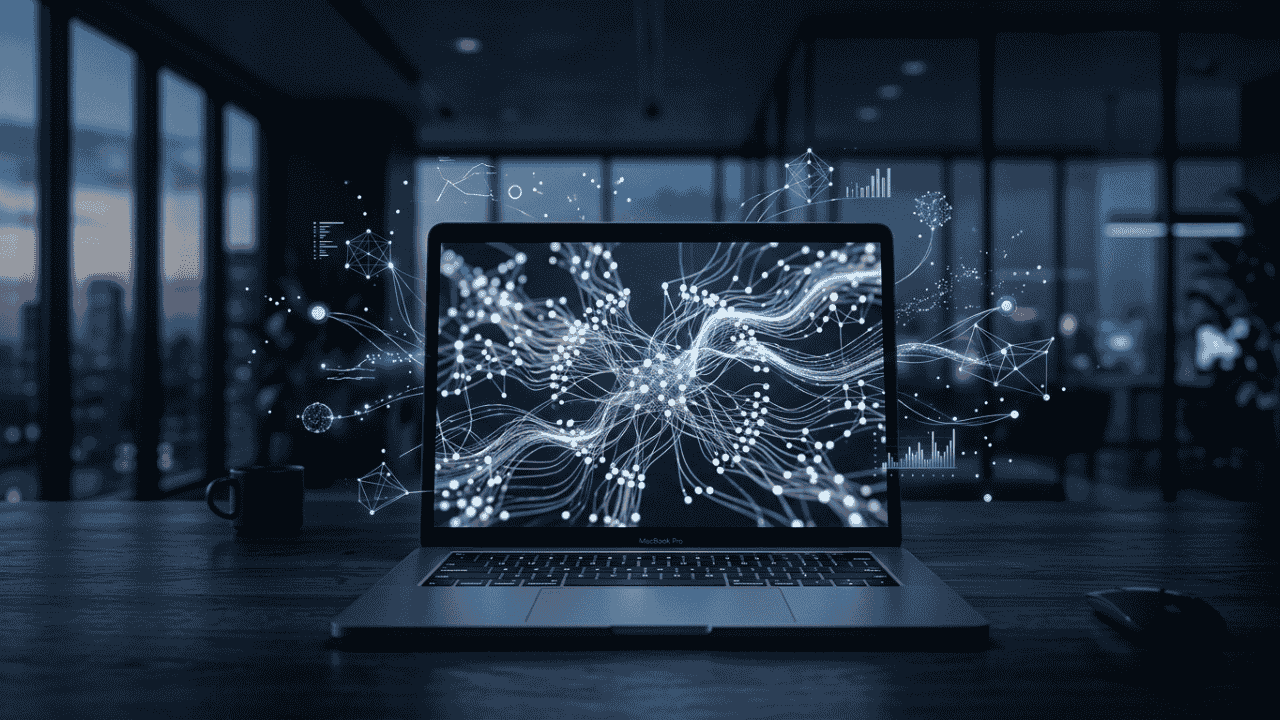
Artificial intelligence is rapidly transforming the way businesses operate. From automating repetitive tasks to helping teams analyze data and create content faster, AI is becoming a core part of modern workflows. As organizations embrace this shift, the devices employees use every day are becoming just as important as the tools and platforms running on them.
This is where Mac is gaining significant traction in enterprises, offering the performance, efficiency, and reliability required for modern AI-powered work. With the support of Team Computers, organizations are now able to adopt Mac more easily and create work environments where employees can take full advantage of intelligent tools and applications.
A Device Built for the AI Era
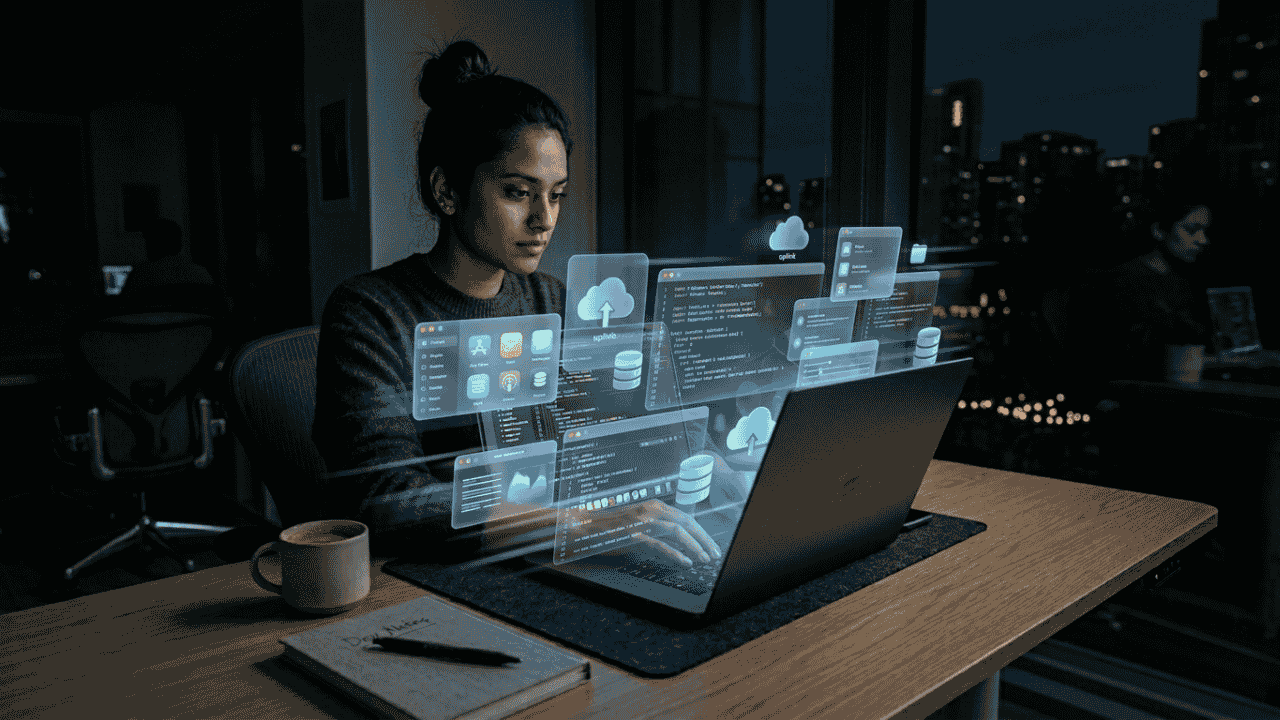
AI-powered applications require devices that can handle heavy processing while maintaining speed and efficiency. Mac devices are designed to support demanding workflows, enabling professionals to run advanced applications, manage multiple tasks, and process large datasets smoothly.
With guidance from Team Computers, organizations can deploy Mac across teams in a structured and scalable manner. From consulting on device selection to enterprise deployment planning, Team Computers ensures businesses adopt Apple technology in a way that aligns with their operational goals and AI-driven initiatives. This approach allows companies to confidently introduce modern tools without disrupting existing workflows.
Enabling Smarter Workflows for Teams
AI at work is not just for developers or data scientists anymore. Marketing teams, designers, analysts, and business leaders are all beginning to use AI-powered platforms to work more efficiently.
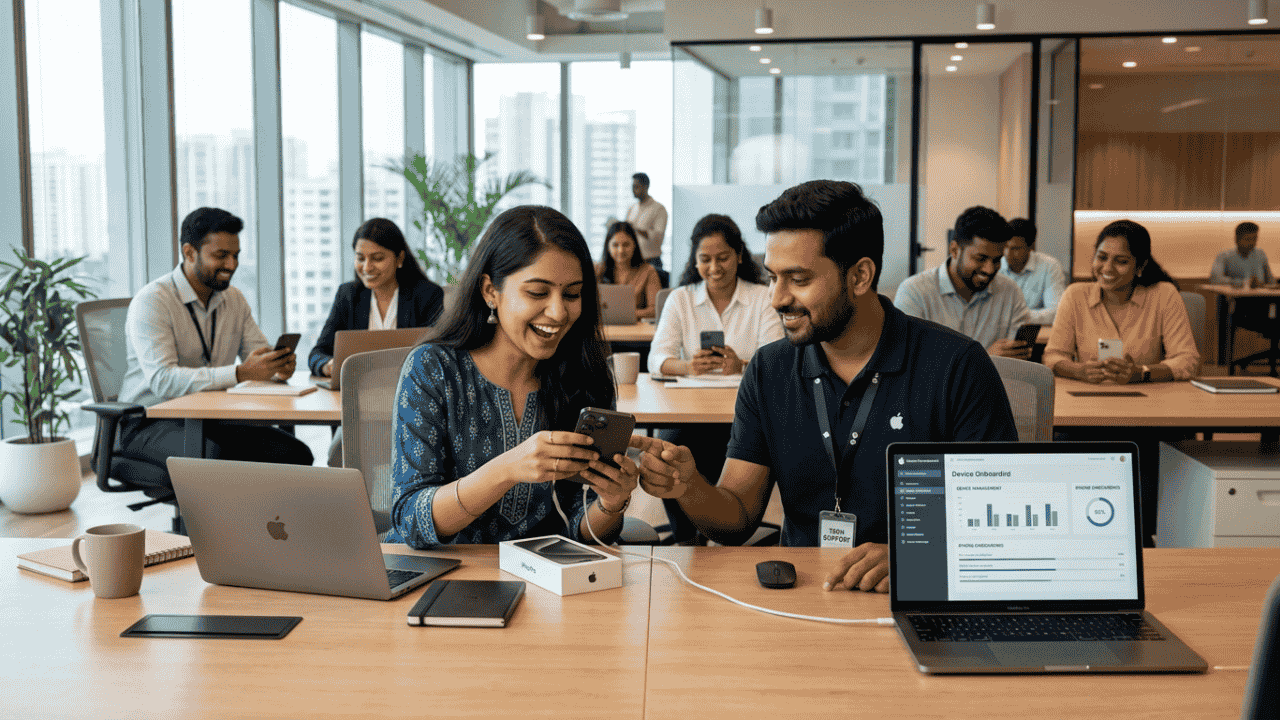
Mac devices provide the performance and seamless user experience needed to support these workflows. With assistance from Team Computers, organizations can equip employees with the right Apple devices while also integrating them into their enterprise IT environments. Services include:
- Device deployment and configuration at scale
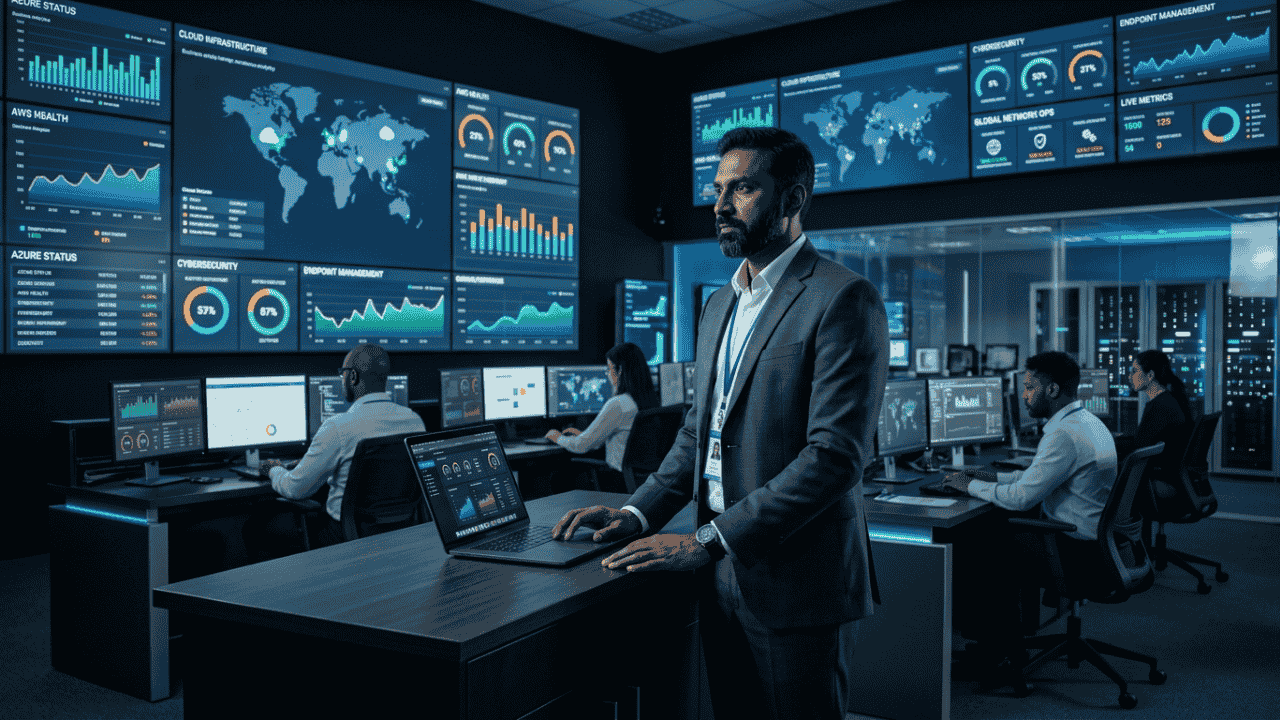
- Integration with existing enterprise IT environments
- Lifecycle management to ensure devices remain current and supported
- Ongoing IT support so employees can start using devices immediately
By simplifying how devices are introduced and managed, Team Computers enables organizations to focus on innovation rather than infrastructure.
Security and Control in an AI-Driven Workplace
As AI tools become more integrated into everyday work, organizations must also maintain strong security standards. Sensitive business data, intellectual property, and operational information must remain protected while employees adopt new technologies.
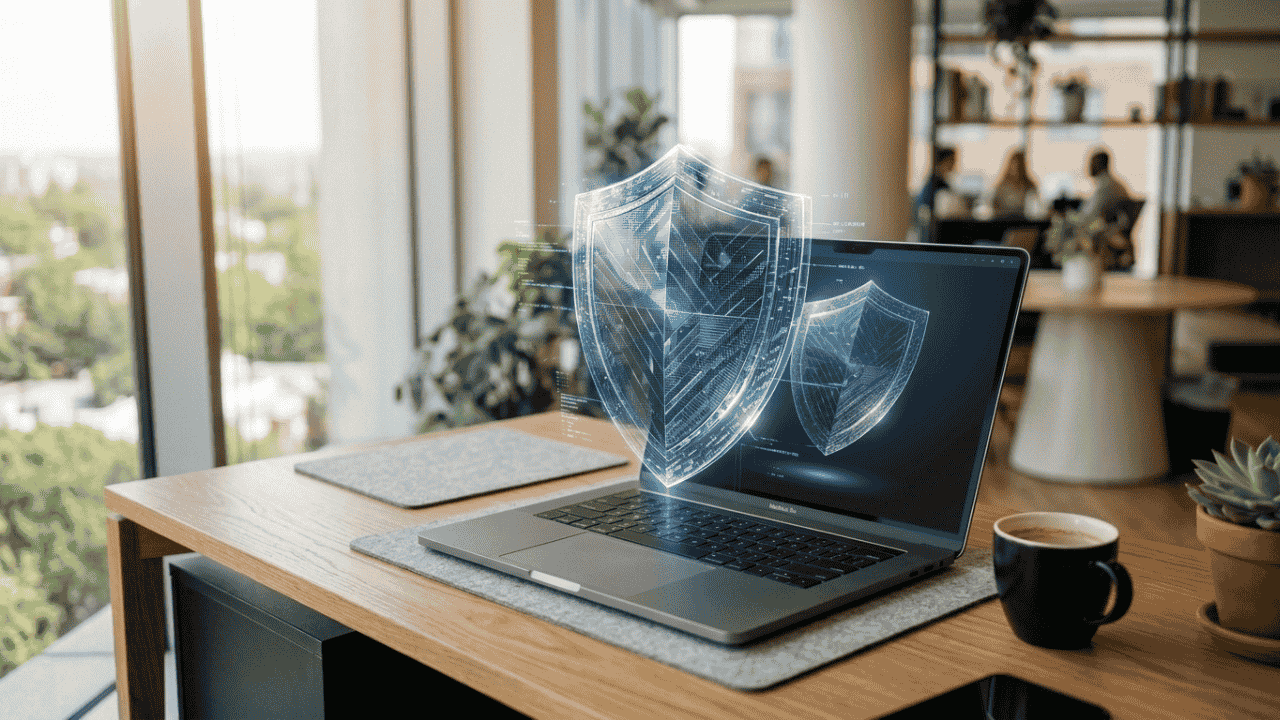
Mac offers built-in security features that help safeguard enterprise environments. Working alongside these capabilities, Team Computers supports organizations with:
- Enterprise mobility management (EMM) for centralized device oversight
- Device configuration aligned with corporate security policies
- Security implementation to maintain compliance across all Apple deployments
This combination of secure devices and expert enterprise support allows companies to embrace AI at work without compromising on governance or data protection.
Supporting Apple Adoption at Scale
One of the biggest challenges organizations face when adopting new devices is scaling deployment across teams. From procurement and onboarding to support and lifecycle management, the process requires careful planning.
Team Computers simplifies this journey for enterprises by offering a complete ecosystem of Apple services, including:
- Device procurement tailored to enterprise needs
- Enterprise deployment support and onboarding
- Device lifecycle management services
- Trade-in programs for legacy hardware
- Employee-focused initiatives such as Smart EPP
This end-to-end approach ensures that organizations can transition to modern Apple-powered workplaces smoothly while maximizing the value of their technology investments.
The Future of Intelligent Workplaces
The future of work will be defined by intelligent tools, faster decision-making, and more flexible work environments. Devices that support performance, mobility, and security will play a central role in enabling this transformation.
With Mac providing the power needed for AI-driven workflows and Team Computers helping organizations deploy and manage Apple technology effectively, businesses can create work environments where innovation thrives.
As AI continues to shape how work gets done, enterprises that invest in the right technology ecosystem today will be better positioned to lead tomorrow.
Ready to bring AI-powered Mac workflows to your organization? Discover how Team Computers helps enterprises adopt, deploy, and manage Apple technology at scale — so your teams can focus on what matters most.