
Creating Immersive Guest Experiences: The Role of AV Integration in Hospitality

Introduction

The hospitality industry thrives on delivering exceptional guest experiences. As consumer expectations evolve, so does the need for innovative approaches to elevate service quality. Audio-visual (AV) integration has emerged as a transformative tool in hospitality, enabling hotels, resorts, and event venues to create immersive and memorable environments. By leveraging cutting-edge AV technology, the industry can redefine guest engagement and set new benchmarks for service excellence.

Understanding Immersive Guest Experiences

What Defines an Immersive Hospitality Experience?
An immersive guest experience goes beyond luxury amenities and impeccable service. It combines interactive technologies, personalized touches, and sensory enhancements to create a captivating environment. Whether it’s a visually stunning lobby or an interactive in-room entertainment system, these experiences leave lasting impressions.

The Emotional and Practical Benefits for Guests
Immersive experiences evoke positive emotions, fostering deeper connections between guests and brands. They also enhance convenience, enabling seamless navigation, entertainment, and communication within hospitality spaces.

The Role of AV Integration in Modern Hospitality

  • Blending Tradition with Innovation
    AV integration allows hospitality providers to merge traditional service values with modern technologies. From smart check-ins to interactive concierge systems, it enhances the guest journey while maintaining the human touch.
  • Creating Memorable Environments
    Dynamic lighting, high-definition displays, and ambient soundscapes transform spaces into captivating environments. For example, a hotel lobby can shift moods throughout the day with adjustable lighting and curated audio experiences.

Core AV Technologies Transforming Hospitality

  • Interactive Displays and Digital Signage
    Digital signage offers real-time updates, event information, and wayfinding assistance, enriching the guest experience. Interactive kiosks further streamline check-ins and provide personalized recommendations.
  • Advanced Sound Systems for Ambiance and Communication
    High-quality sound systems are pivotal in creating a relaxing atmosphere in lounges or energizing environments at events. Clear audio in conference rooms ensures impactful communication during meetings.
  • Projection Mapping and Immersive Visuals
    Projection mapping turns ordinary spaces into extraordinary experiences. It allows event spaces or restaurants to transform with dynamic visuals, enhancing themes and storytelling.

Enhancing Guest Engagement with AV Solutions

  • Personalizing the Guest Journey
    In-room AV systems allow guests to control lighting, temperature, and entertainment with a single device. Customizable content, such as tailored welcome messages or curated playlists, adds a personal touch.
  • Elevating Event Experiences
    Event venues equipped with advanced AV tools attract corporate clients and event planners. From holographic presentations to synchronized sound and visuals, these technologies ensure unforgettable events.

Challenges in Implementing AV Integration

  • Balancing Costs with ROI
    While AV systems promise significant enhancements, the initial investment can be substantial. Calculating long-term ROI, such as increased bookings or higher guest satisfaction, is essential for justifying costs.
  • Ensuring System Reliability
    AV systems must be dependable. A malfunction during a high-profile event or a guest’s stay can damage reputation. Regular maintenance and robust support systems are critical for minimizing downtime.

The Future of AV in Hospitality

  • Emerging Innovations
    The future of hospitality AV lies in technologies like AI-driven chatbots integrated with AV systems, immersive VR experiences for virtual hotel tours, and voice-activated room controls. These innovations promise to redefine the guest journey.
  • Long-Term Impact on Guest Expectations
    As guests become accustomed to personalized, tech-enhanced experiences, the demand for AV integration will grow. Hospitality providers that adopt these tools early will lead the way in setting industry standards.

Conclusion

AV integration is not merely an add-on; it is a necessity for modern hospitality. By crafting immersive experiences, hotels and venues can exceed guest expectations, foster loyalty, and stay competitive in a rapidly evolving landscape. As technology continues to advance, the possibilities for creating unforgettable guest journeys are limitless. Hospitality businesses must embrace this transformation to redefine excellence in service and experience.
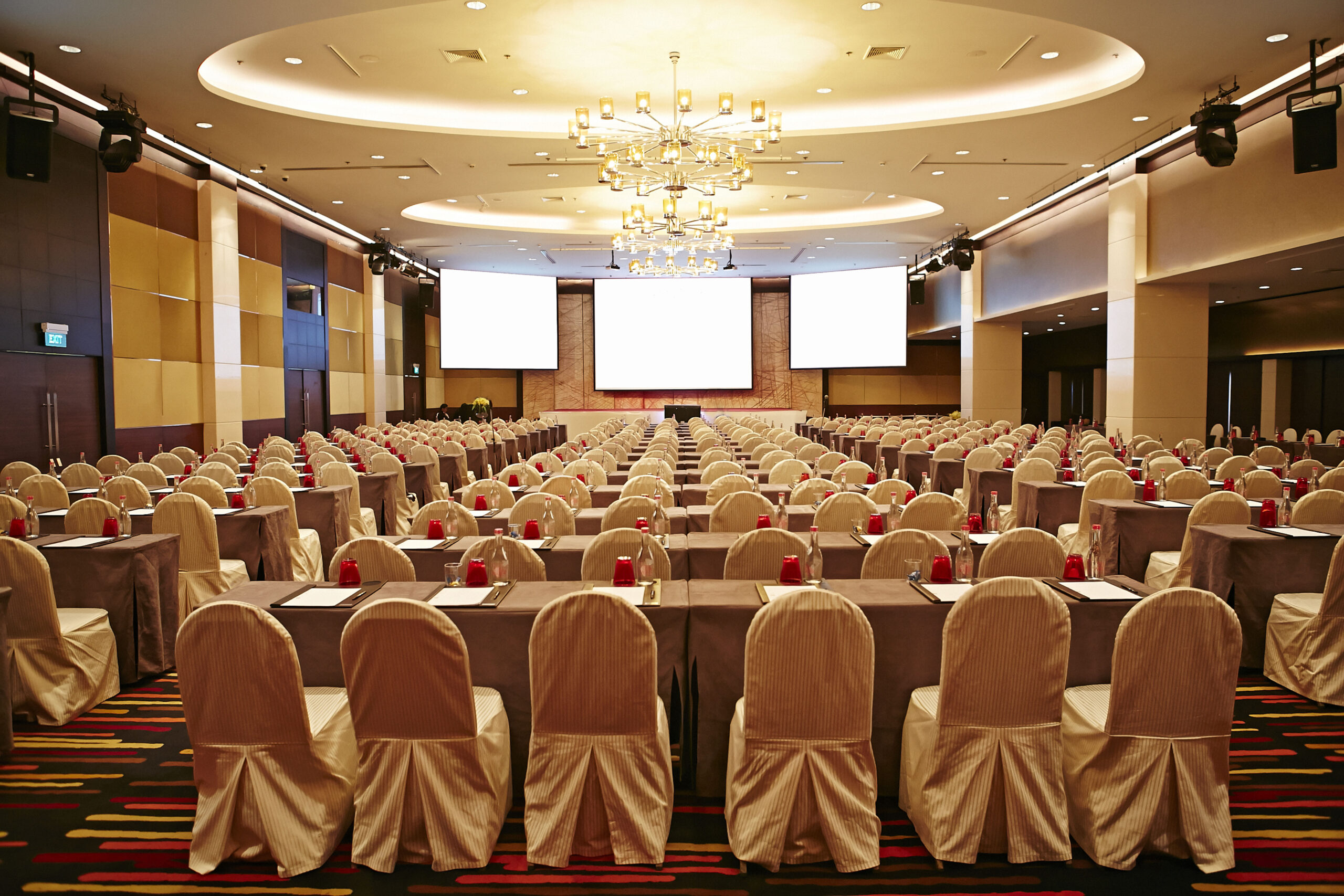
Enhancing Corporate Events with AV Integration: Tips and Best Practices

Introduction

Corporate events are no longer limited to simple presentations or panel discussions. Today, they are immersive experiences designed to captivate audiences and communicate messages with impact. Audio-visual (AV) integration has become the cornerstone of this evolution, enabling event planners to craft dynamic and memorable experiences. Leveraging cutting-edge AV technologies is not just an enhancement—it is essential for modern corporate events.

Understanding AV Integration in Corporate Events

  • Defining AV Integration: Beyond Basic Technology
    AV integration is more than setting up projectors and microphones. It encompasses the strategic use of audio, video, lighting, and interactive technologies to create cohesive and engaging event environments.
  • The Evolving Expectations of Event Attendees
    Modern audiences expect more than static content delivery. They seek interactivity, high-quality visuals, and seamless transitions that reflect professionalism and innovation. Effective AV integration meets these expectations, leaving lasting impressions.

Key AV Technologies for Corporate Events

  • High-Definition Displays and Video Walls
    Large-scale video walls and high-definition displays command attention and deliver crisp visuals, ensuring that key messages resonate with every attendee in the room.
  • Advanced Sound Systems for Crystal-Clear Audio
    Clear, balanced audio is vital for audience engagement. Advanced sound systems eliminate distortion, ensuring every word and note reaches its intended audience without interruption.
  • Interactive Technologies and Audience Engagement Tools
    Touchscreens, virtual reality experiences, and gamified elements foster interaction, turning passive attendees into active participants. These tools make events more memorable and enjoyable.

Planning AV Integration for Events

  • Aligning AV Strategies with Event Objectives
    Every corporate event has unique goals, from product launches to training sessions. AV strategies should align with these objectives to amplify their effectiveness and impact.
  • Conducting a Comprehensive Venue Assessment
    Venue size, layout, and acoustics significantly influence AV setup. A thorough site assessment ensures that technologies are optimally deployed to suit the space.

Designing Seamless AV Experiences

  • Creating Cohesive Audio-Visual Themes
    AV components should harmonize with the event’s branding and messaging. Consistent color schemes, lighting effects, and audio cues reinforce the overall theme.
  • Optimizing Lighting and Sound for Diverse Event Types
    From intimate boardroom sessions to grand-scale conferences, lighting and sound must adapt to the occasion. Strategic adjustments ensure comfort and clarity for all attendees.

Enhancing Audience Engagement with AV

  • Real-Time Polling and Q&A Systems
    Interactive tools like live polls and Q&A platforms foster engagement, allowing audiences to voice opinions and interact with speakers in real time.
  • Live Streaming and Hybrid Event Capabilities
    Hybrid events combine in-person and virtual attendance, broadening reach and inclusivity. High-quality live streaming ensures remote participants feel equally involved.

Common Challenges in AV Integration

  • Technical Glitches and How to Avoid Them
    Even minor technical failures can disrupt an event. Rigorous pre-event testing and having technical support on standby are critical for avoiding mishaps.
  • Budget Constraints and Strategic Resource Allocation
    AV technologies can be costly, but prioritizing essential elements and negotiating with vendors ensures high-quality outcomes within budget.

Best Practices for Successful AV Integration

  • Partnering with Experienced AV Vendors
    Collaborating with seasoned AV professionals guarantees access to the latest technologies and expert guidance, ensuring smooth execution.
  • Ensuring Pre-Event Testing and Contingency Planning
    Testing every component well in advance prevents last-minute surprises. Backup equipment and contingency plans safeguard against unforeseen challenges.

Case Studies: AV Success in Corporate Events

  • Examples of Impactful AV Implementation
    A global product launch used 3D projection mapping to showcase innovation, leaving audiences in awe. Another company integrated AR to immerse attendees in its brand story, boosting engagement.
  • Lessons Learned from Industry Leaders
    These success stories underline the importance of meticulous planning, audience-focused design, and leveraging cutting-edge technologies for impactful results.

Conclusion

As corporate events evolve, so too must the strategies employed to captivate audiences. AV integration is the linchpin of this transformation, offering tools to enhance engagement, reinforce messaging, and create unforgettable experiences. By prioritizing AV in event planning, businesses can elevate their events and stand out in an increasingly competitive landscape.