Your Event Content Is Fine. Your AV Is Killing It.

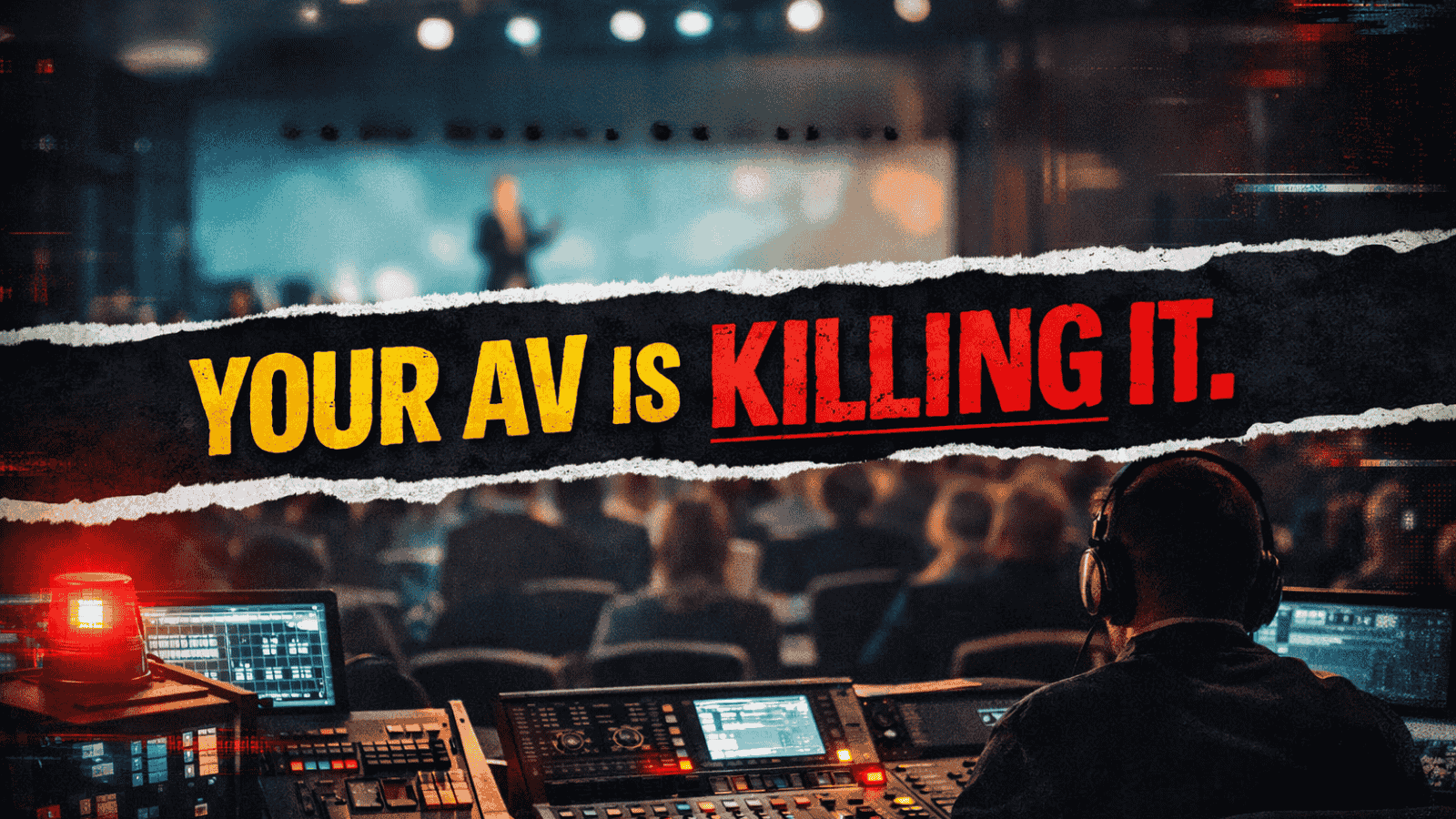
The harsh truth: most corporate events don’t lose the room because the content is bad. They lose the room because the mic echoes, the screen washes out, and the remote attendees quietly drop off by slide three.

By the time your most important message hits — half the room is on their phone.

That’s not a content problem. That’s an AV problem.

AV Isn’t a Checklist. It’s the Experience.

Projector ✓ Mic ✓ Done — sound familiar?

That approach is exactly why so many events feel flat. Real AV integration isn’t about ticking boxes. It’s about making everything work together — sound, visuals, lighting, interaction — so the event flows and the message lands.

When it works, nobody notices. When it doesn’t, nobody forgets.

What Actually Keeps People Paying Attention

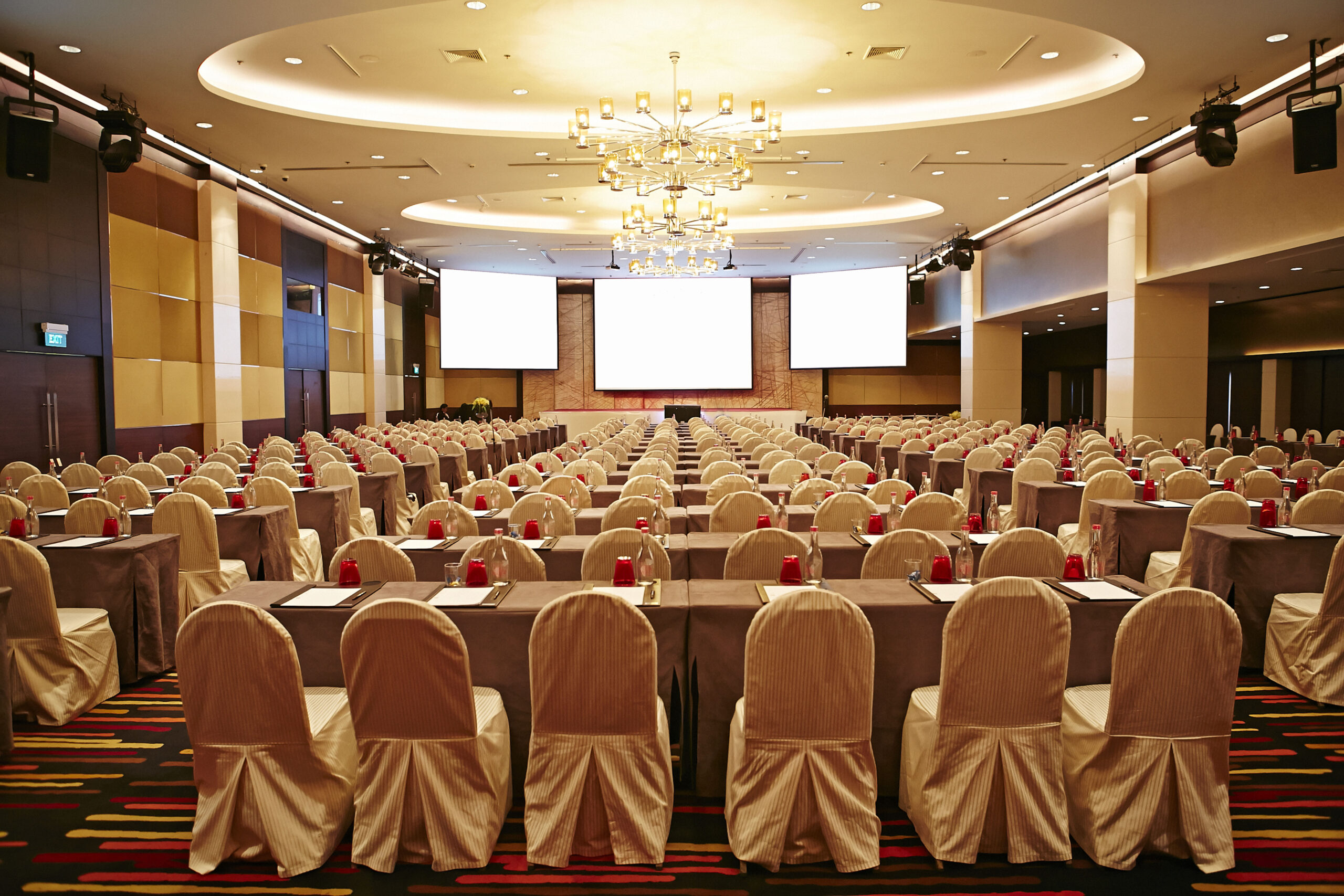
Displays People Can Actually See

Obvious? Yes. Ignored constantly? Also yes. A bright, well-placed screen keeps the back row as engaged as the front row — and eliminates the passive disconnect that kills attention spans.

Audio That Doesn’t Make People Work

Bad audio is exhausting. People stop trying after 90 seconds. Clear, balanced sound across the room is the single highest-impact AV decision you can make for any corporate event.

Interaction That Breaks the Passive Scroll

Live polls. Q&A walls. Real-time reactions. The moment attendees do something, they re-engage. It costs almost nothing to add and changes the entire energy of the room.

Hybrid That Doesn’t Feel Like an Afterthought

Remote participants know when they’re second-class attendees. Good AV integration makes them feel present — not like they’re watching a grainy livestream from 2015.

The Mistake Most Event Teams Make

They plan the agenda first and call the AV vendor last.

By then the venue is locked, the budget is stretched, and there’s no time to test. Cue the flickering slides and feedback squeal during the CEO’s opening remarks.

Fix: Bring AV into the planning conversation early. A leadership townhall needs a completely different setup than a product launch. Know the difference before you book the room.

The 5-Minute Pre-Event AV Checklist

  • Walk the room and check sightlines from every corner
  • Test audio at full-capacity volume before guests arrive
  • Run every video, transition, and presentation file end to end
  • Confirm the hybrid feed with an actual remote participant
  • Have a backup for the one thing most likely to fail

Good AV Is Invisible. Bad AV Is Unforgettable.

Nobody leaves an event saying “the AV was incredible.” But they absolutely leave saying “I couldn’t hear anything” or “the screen kept cutting out.”

When audio is clear, visuals are sharp, and everything runs without a hitch — the content does its job. The message lands. The event achieves what it was meant to.

That’s what thoughtful AV integration actually delivers: not applause for the technology, but results for the business.

Team Computers designs, deploys, and manages AV solutions for corporate events and permanent workspaces across India. Get in touch with our team at sales.india@teamcomputers.com to plan your next event the right way.

Modern Boardroom Setup: Building Smarter Spaces for Leadership Meetings

In most enterprises today, the boardroom is more than just a meeting room. It is where leadership teams review performance, discuss strategy, and take decisions that impact the entire organization.

However, the way meetings happen has changed. Teams are distributed across multiple offices, senior leaders often join remotely, and discussions rely Audio Visual Solutions on presentations, dashboards, and real-time collaboration tools.

Because of this shift, organizations are moving towards a modern boardroom setup that combines reliable technology, seamless connectivity, and simple user experiences.

For IT heads and procurement leaders managing large office environments, the objective is clear: create meeting spaces that work every single time without technical friction.

Why Enterprises Are Rethinking Boardroom Design

Traditional boardrooms were designed for in-person meetings. A projector, a conference phone, and a large table were often enough.

But today’s enterprise environment is very different.

Leadership teams regularly connect with stakeholders across locations. CXOs may join meetings from another city or country. Teams need to present dashboards, collaborate on documents, and conduct video meetings with external partners.

A modern boardroom setup ensures that these meetings happen smoothly without wasting time on device compatibility, audio issues, or complicated room controls.

For organizations with multiple offices across Tier 1 cities, consistency becomes even more important. Every boardroom should offer the same experience so users don’t audio Visual Solutions to relearn the technology each time they walk into a meeting room.

Core Components of a Modern Boardroom Setup

A well-designed boardroom focuses on reliability, simplicity, and performance. The goal is to ensure that meetings start on time and run without interruptions.

Several technology components play a key role in making this possible.

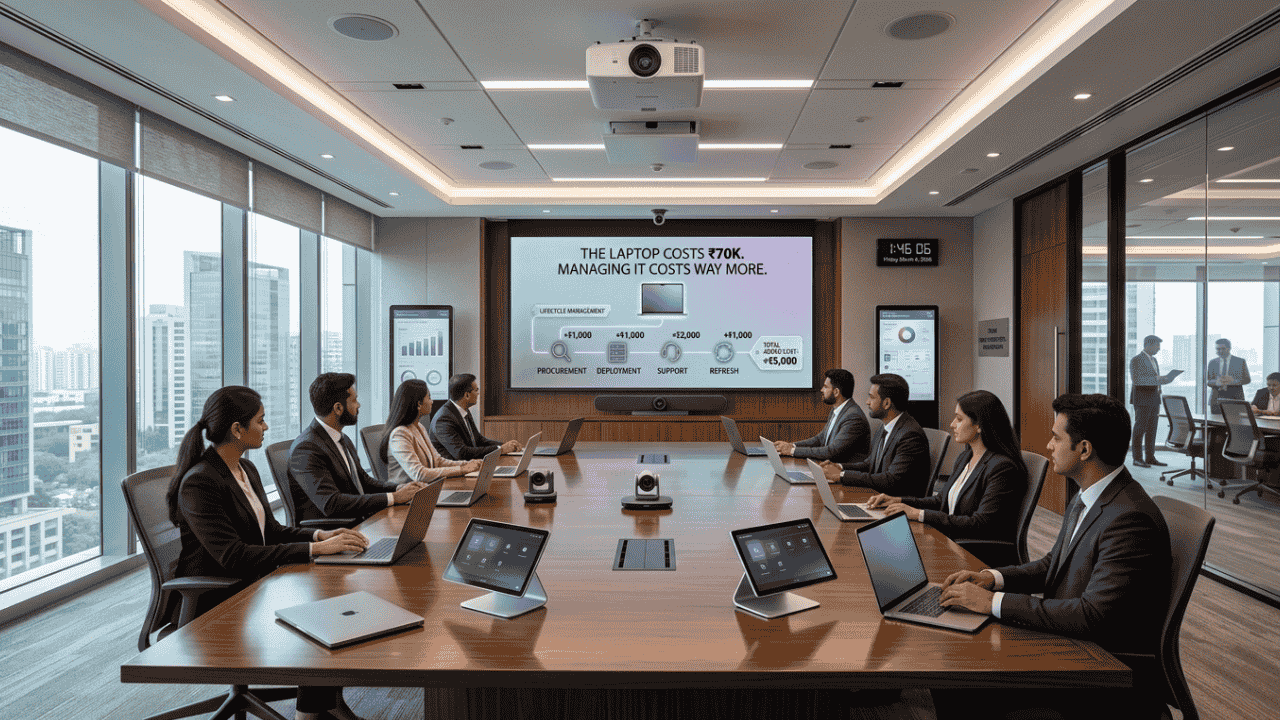
High-Quality Video Conferencing

Video meetings audio Visual Solutions become standard in leadership discussions. Whether it is a strategy review or a vendor discussion, remote participants are almost always part of the meeting.

Modern boardrooms are equipped with intelligent cameras that capture the entire room clearly. Features such as auto-framing and speaker tracking ensure that remote participants can see who is speaking without constant manual adjustments.

This creates a more natural meeting experience and improves engagement for remote attendees.

Professional Audio Systems

Audio quality can make or break a meeting. Poor sound leads to repeated questions, interruptions, and meeting fatigue.

A modern boardroom setup uses professional microphone arrays and speaker systems that capture voices evenly across the room. Technologies like noise suppression and echo cancellation ensure that remote participants hear conversations clearly.

For larger boardrooms, distributed microphones help maintain consistent audio coverage across the table.

Large Displays for Clear Presentations

Leadership meetings often involve financial reports, dashboards, presentations, and analytics. These require clear and large visual displays.

Modern boardrooms typically use large 4K displays or LED screens that make content visible from anywhere in the room. Some environments also include dual displays, allowing teams to view both the presentation and remote participants simultaneously.

This improves collaboration and keeps discussions more focused.

Wireless Content Sharing

One of the most common frustrations in meeting rooms is connecting laptops to displays.

A modern boardroom eliminates this problem with wireless presentation systems. Users can share content directly from their laptops or mobile devices without using cables or adapters.

This reduces setup time and ensures meetings start immediately.

Supporting Hybrid Leadership Meetings

Hybrid meetings are now the norm across enterprises. Some participants sit in the boardroom while others join remotely from different offices.

A modern boardroom setup ensures that both groups audio Visual Solutions an equal meeting experience.

Strategic camera placement ensures the entire room is visible. High-quality microphones ensure remote participants hear every discussion clearly. Integration with collaboration platforms like Microsoft Teams or Zoom allows meetings to start quickly without complicated setup.

For IT teams managing multiple offices, standardizing these systems across boardrooms helps maintain a consistent meeting experience across locations.

Simplifying Operations with Smart Controls

From an IT management perspective, simplicity is critical. Meeting room technology should not require technical support every time someone uses it.

Modern boardrooms often include centralized control systems. With a single touch panel, users can:

  • Start a video meeting
  • Turn displays on or off
  • Adjust audio levels
  • Switch presentation sources
  • Control lighting if required

This simple interface reduces dependency on IT support and allows executives to focus on the meeting instead of the technology.

Security and Reliability for Enterprise Environments

Boardroom discussions often involve sensitive business information such as financial data, client discussions, or internal strategies.

A reliable modern boardroom setup must therefore support enterprise-grade security. This includes secure network connectivity, encrypted video meetings, and controlled access to wireless presentation systems.

IT teams also look for solutions that integrate easily with their existing collaboration platforms and device management frameworks. This ensures smooth deployment and easier long-term management.

Benefits for IT and Procurement Teams

Investing in modern boardroom infrastructure offers several operational benefits for enterprise IT teams.

First, it reduces meeting downtime caused by technical issues. Reliable systems mean fewer complaints from leadership teams.

Second, it standardizes meeting room technology across locations. This simplifies training, maintenance, and support.

Third, it improves collaboration across distributed teams. Leaders can connect with stakeholders across offices without worrying about technical barriers.

For organizations with multiple offices and large employee bases, these improvements audio Visual Solutions a direct impact on productivity and operational efficiency.

Conclusion

Boardrooms remain one of the most important spaces in any organization. They are where leaders align on strategy, review business performance, and make critical decisions.

A well-designed modern boardroom setup ensures that these meetings happen efficiently, whether participants are sitting in the room or joining remotely. By combining reliable video conferencing, high-quality audio systems, large displays, and simple control interfaces, organizations can create boardrooms that truly support modern enterprise collaboration.

For IT heads and procurement leaders managing multiple offices, investing in the right boardroom technology is not just about upgrading meeting rooms. It is about enabling leadership teams to collaborate, communicate, and make decisions without disruption.

Creating Immersive Guest Experiences: The Role of AV Integration in Hospitality

Introduction

The hospitality industry thrives on delivering exceptional guest experiences. As consumer expectations evolve, so does the need for innovative approaches to elevate service quality. Audio-visual (AV) integration has emerged as a transformative tool in hospitality, enabling hotels, resorts, and event venues to create immersive and memorable environments. By leveraging cutting-edge AV technology, the industry can redefine guest engagement and set new benchmarks for service excellence.

Understanding Immersive Guest Experiences

What Defines an Immersive Hospitality Experience?
An immersive guest experience goes beyond luxury amenities and impeccable service. It combines interactive technologies, personalized touches, and sensory enhancements to create a captivating environment. Whether it’s a visually stunning lobby or an interactive in-room entertainment system, these experiences leave lasting impressions.

The Emotional and Practical Benefits for Guests
Immersive experiences evoke positive emotions, fostering deeper connections between guests and brands. They also enhance convenience, enabling seamless navigation, entertainment, and communication within hospitality spaces.

The Role of AV Integration in Modern Hospitality

  • Blending Tradition with Innovation
    AV integration allows hospitality providers to merge traditional service values with modern technologies. From smart check-ins to interactive concierge systems, it enhances the guest journey while maintaining the human touch.
  • Creating Memorable Environments
    Dynamic lighting, high-definition displays, and ambient soundscapes transform spaces into captivating environments. For example, a hotel lobby can shift moods throughout the day with adjustable lighting and curated audio experiences.

Core AV Technologies Transforming Hospitality

  • Interactive Displays and Digital Signage
    Digital signage offers real-time updates, event information, and wayfinding assistance, enriching the guest experience. Interactive kiosks further streamline check-ins and provide personalized recommendations.
  • Advanced Sound Systems for Ambiance and Communication
    High-quality sound systems are pivotal in creating a relaxing atmosphere in lounges or energizing environments at events. Clear audio in conference rooms ensures impactful communication during meetings.
  • Projection Mapping and Immersive Visuals
    Projection mapping turns ordinary spaces into extraordinary experiences. It allows event spaces or restaurants to transform with dynamic visuals, enhancing themes and storytelling.

Enhancing Guest Engagement with AV Solutions

  • Personalizing the Guest Journey
    In-room AV systems allow guests to control lighting, temperature, and entertainment with a single device. Customizable content, such as tailored welcome messages or curated playlists, adds a personal touch.
  • Elevating Event Experiences
    Event venues equipped with advanced AV tools attract corporate clients and event planners. From holographic presentations to synchronized sound and visuals, these technologies ensure unforgettable events.

Challenges in Implementing AV Integration

  • Balancing Costs with ROI
    While AV systems promise significant enhancements, the initial investment can be substantial. Calculating long-term ROI, such as increased bookings or higher guest satisfaction, is essential for justifying costs.
  • Ensuring System Reliability
    AV systems must be dependable. A malfunction during a high-profile event or a guest’s stay can damage reputation. Regular maintenance and robust support systems are critical for minimizing downtime.

The Future of AV in Hospitality

  • Emerging Innovations
    The future of hospitality AV lies in technologies like AI-driven chatbots integrated with AV systems, immersive VR experiences for virtual hotel tours, and voice-activated room controls. These innovations promise to redefine the guest journey.
  • Long-Term Impact on Guest Expectations
    As guests become accustomed to personalized, tech-enhanced experiences, the demand for AV integration will grow. Hospitality providers that adopt these tools early will lead the way in setting industry standards.

Conclusion

AV integration is not merely an add-on; it is a necessity for modern hospitality. By crafting immersive experiences, hotels and venues can exceed guest expectations, foster loyalty, and stay competitive in a rapidly evolving landscape. As technology continues to advance, the possibilities for creating unforgettable guest journeys are limitless. Hospitality businesses must embrace this transformation to redefine excellence in service and experience.

Enhancing Corporate Events with AV Integration: Tips and Best Practices

Introduction

Corporate events are no longer limited to simple presentations or panel discussions. Today, they are immersive experiences designed to captivate audiences and communicate messages with impact. Audio-visual (AV) integration has become the cornerstone of this evolution, enabling event planners to craft dynamic and memorable experiences. Leveraging cutting-edge AV technologies is not just an enhancement—it is essential for modern corporate events.

Understanding AV Integration in Corporate Events

  • Defining AV Integration: Beyond Basic Technology
    AV integration is more than setting up projectors and microphones. It encompasses the strategic use of audio, video, lighting, and interactive technologies to create cohesive and engaging event environments.
  • The Evolving Expectations of Event Attendees
    Modern audiences expect more than static content delivery. They seek interactivity, high-quality visuals, and seamless transitions that reflect professionalism and innovation. Effective AV integration meets these expectations, leaving lasting impressions.

Key AV Technologies for Corporate Events

  • High-Definition Displays and Video Walls
    Large-scale video walls and high-definition displays command attention and deliver crisp visuals, ensuring that key messages resonate with every attendee in the room.
  • Advanced Sound Systems for Crystal-Clear Audio
    Clear, balanced audio is vital for audience engagement. Advanced sound systems eliminate distortion, ensuring every word and note reaches its intended audience without interruption.
  • Interactive Technologies and Audience Engagement Tools
    Touchscreens, virtual reality experiences, and gamified elements foster interaction, turning passive attendees into active participants. These tools make events more memorable and enjoyable.

Planning AV Integration for Events

  • Aligning AV Strategies with Event Objectives
    Every corporate event has unique goals, from product launches to training sessions. AV strategies should align with these objectives to amplify their effectiveness and impact.
  • Conducting a Comprehensive Venue Assessment
    Venue size, layout, and acoustics significantly influence AV setup. A thorough site assessment ensures that technologies are optimally deployed to suit the space.

Designing Seamless AV Experiences

  • Creating Cohesive Audio-Visual Themes
    AV components should harmonize with the event’s branding and messaging. Consistent color schemes, lighting effects, and audio cues reinforce the overall theme.
  • Optimizing Lighting and Sound for Diverse Event Types
    From intimate boardroom sessions to grand-scale conferences, lighting and sound must adapt to the occasion. Strategic adjustments ensure comfort and clarity for all attendees.

Enhancing Audience Engagement with AV

  • Real-Time Polling and Q&A Systems
    Interactive tools like live polls and Q&A platforms foster engagement, allowing audiences to voice opinions and interact with speakers in real time.
  • Live Streaming and Hybrid Event Capabilities
    Hybrid events combine in-person and virtual attendance, broadening reach and inclusivity. High-quality live streaming ensures remote participants feel equally involved.

Common Challenges in AV Integration

  • Technical Glitches and How to Avoid Them
    Even minor technical failures can disrupt an event. Rigorous pre-event testing and having technical support on standby are critical for avoiding mishaps.
  • Budget Constraints and Strategic Resource Allocation
    AV technologies can be costly, but prioritizing essential elements and negotiating with vendors ensures high-quality outcomes within budget.

Best Practices for Successful AV Integration

  • Partnering with Experienced AV Vendors
    Collaborating with seasoned AV professionals guarantees access to the latest technologies and expert guidance, ensuring smooth execution.
  • Ensuring Pre-Event Testing and Contingency Planning
    Testing every component well in advance prevents last-minute surprises. Backup equipment and contingency plans safeguard against unforeseen challenges.

Case Studies: AV Success in Corporate Events

  • Examples of Impactful AV Implementation
    A global product launch used 3D projection mapping to showcase innovation, leaving audiences in awe. Another company integrated AR to immerse attendees in its brand story, boosting engagement.
  • Lessons Learned from Industry Leaders
    These success stories underline the importance of meticulous planning, audience-focused design, and leveraging cutting-edge technologies for impactful results.

Conclusion

As corporate events evolve, so too must the strategies employed to captivate audiences. AV integration is the linchpin of this transformation, offering tools to enhance engagement, reinforce messaging, and create unforgettable experiences. By prioritizing AV in event planning, businesses can elevate their events and stand out in an increasingly competitive landscape.