
The Definitive Guide to an IT System Integrator

An IT system integrator ensures that different systems work together efficiently. They play a crucial role in IT project management. By doing so, they help businesses streamline operations and reduce costs.

These integrators act as IT solutions providers. They offer tailored solutions to meet specific business needs. Their expertise spans software integration, network architecture, and data management.

System integrators are vital for digital transformation. They enable businesses to adopt new technologies smoothly. They also ensure that IT systems align with business goals.

In this article, we will explore the role and importance of IT system integrators. We’ll delve into their functions and how they serve as IT solutions providers.

Understanding IT System Integration

IT system integration involves merging different technology components into one cohesive unit. This process makes various systems work seamlessly together. It requires expertise in coordinating both software and hardware.

The goal of integration is to enhance business efficiency. It reduces redundant processes and improves communication between systems. By integrating, businesses can optimize their IT infrastructure.

Integration can involve many components. These include software applications, databases, and network systems. Each element must communicate effectively with the others. This ensures smooth operations across the organization.

A successful integration strategy is essential for any modern business. It allows organizations to respond quickly to market changes. Companies can harness new technologies with minimal disruption.

IT system integrators play a pivotal role in this process. They have the skills and knowledge required to execute complex integrations. Their experience aids in troubleshooting potential issues effectively.

The integration process typically follows a structured approach. This often includes stages like assessment, planning, implementation, testing, and maintenance. Each stage is critical to achieving a successful outcome.

Key benefits of IT system integration include:

  • Enhanced operational efficiency

  • Improved data management capabilities

  • Better customer service experiences

  • Increased scalability and flexibility

  • Reduction in IT costs

Integrating systems is not just a technical task. It involves strategic planning and alignment with business objectives. As technology continues to evolve, effective integration will become increasingly important. It serves as the backbone of innovation and growth in the digital age.

What Does an IT System Integrator Do?

An IT system integrator bridges gaps between different technologies. They ensure disparate systems work together efficiently. Their expertise is crucial for creating a unified IT environment.

IT system integrators coordinate various stages of the integration process. This includes assessment and planning. They first evaluate existing systems and identify integration needs.

They then develop a strategy tailored to the organization’s goals. This involves selecting appropriate technologies and methods. The plan is customized to meet specific business requirements.

During implementation, integrators manage the integration of systems. They focus on aligning software applications and network resources. Their goal is to avoid disruptions in everyday operations.

Testing is a vital part of what they do. Integrators perform rigorous testing of the integrated systems. This step ensures that all components function correctly and efficiently.

Post-implementation, system integrators offer ongoing support. They provide maintenance and troubleshooting services. This ensures the integrated systems continue to operate smoothly over time.

Some key responsibilities of IT system integrators include:

  • Developing integration strategies

  • Managing system deployment

  • Performing comprehensive testing

  • Offering training and user support

  • Collaborating with technology vendors

  • Ensuring security and compliance

  • Facilitating smooth technology transitions

Collaboration is central to their role. They liaise between the business and technical teams. By understanding both sides, they effectively translate business needs into technical solutions.

Integrators also offer strategic advice. They guide businesses in technology investments and roadmap development. Their insights help organizations remain competitive in a rapidly changing tech landscape. They enable businesses to reap maximum benefits from their IT resources.

The Role of IT System Integrators in IT Project Management

IT system integrators play a pivotal role in IT project management. They bring together various technology components. This ensures that projects align with business objectives.

Their responsibilities include coordinating project activities. They ensure each phase is completed on schedule. By doing so, they keep the project moving efficiently.

Integrators focus on aligning technology initiatives with business strategies. They bridge gaps between the technical and executive teams. This enhances communication and reduces misunderstandings.

An important task is managing stakeholder expectations. IT system integrators balance technical limitations with business aspirations. This involves ongoing dialogue with key stakeholders.

Project management methodologies like Agile and Scrum are often utilized. System integrators apply these frameworks to ensure flexibility. This allows for adjustments based on project needs and feedback.

They are also responsible for risk management. Integrators identify potential issues that may arise during projects. They develop mitigation plans to address these risks proactively.

Some key roles of IT system integrators in project management include:

  • Coordinating between teams and vendors

  • Ensuring project alignment with business goals

  • Managing project timelines and budgets

  • Facilitating stakeholder communication

  • Applying project management methodologies

  • Identifying and mitigating risks

  • Evaluating project outcomes and effectiveness

By performing these roles, integrators enhance project success rates. They ensure that IT projects deliver tangible business value. This ultimately supports organizational growth and innovation. Their expertise turns complex projects into streamlined, successful endeavors.

IT System Integrator vs. IT Solutions Provider

While IT system integrators and IT solutions providers may seem similar, they have distinct roles. An IT system integrator focuses on merging various IT systems into a unified whole. Their primary aim is seamless functionality across platforms.

On the other hand, an IT solutions provider offers specific technology solutions. These solutions address particular business needs. They focus on delivering defined services and products.

An integrator acts like a conductor in an orchestra. They ensure diverse systems work in harmony. A solutions provider resembles a composer, crafting specific pieces of software or hardware that solve immediate challenges.

For clarity, consider the following differences:

  • Integration vs. Provision: Integrators emphasize combining systems; providers offer standalone solutions.

  • Scope: Integrators manage broader projects; providers tackle specific tasks.

  • Role: Integrators focus on interoperability; providers on addressing defined problems.

  • Approach: Integrators involve ongoing collaboration; providers deliver particular services.

Both roles are crucial. Together, they enhance business efficiency. By understanding their differences, businesses can better leverage their unique strengths.

Key Functions and Responsibilities of IT System Integrators

IT system integrators play an essential role in modern businesses. They are responsible for connecting various IT systems. Their aim is to create a cohesive environment that enhances operational efficiency.

One of their primary functions is to assess existing IT infrastructure. They identify gaps and propose solutions to bridge these gaps. This helps organizations optimize their technology investments effectively.

They also develop integration strategies tailored to business needs. This involves planning and designing workflows that align with business goals. Successful integration requires meticulous planning.

Once planning is complete, integrators handle the implementation. They ensure all systems work flawlessly together. This phase is crucial for minimizing disruptions to business operations.

Ongoing support is another key responsibility. Integrators provide maintenance and troubleshooting services. Their expertise ensures that systems remain functional and secure.

A successful integrator also focuses on training. They equip staff with the knowledge to manage new integrated systems. User training is vital for smooth operation and adoption.

Some of the core responsibilities include:

  • Evaluation: Conducting assessments of existing systems.

  • Strategy Development: Crafting integration plans.

  • Implementation: Executing system integration projects.

  • Support and Maintenance: Offering ongoing service.

  • Training: Providing instruction for end-users.

  • Vendor Coordination: Collaborating with third-party providers.

  • Consultation: Giving advice to align IT with business strategies.

Overall, integrators are pivotal in ensuring that technology systems contribute positively to business objectives. They make complex IT environments more manageable and efficient.

Benefits of Working with an IT System Integrator

Partnering with an IT system integrator offers numerous advantages. They bring specialized expertise to the table. This ensures your technology systems are seamlessly connected.

One major benefit is improved efficiency. Integrated systems streamline operations, which can enhance productivity. This can lead to faster decision-making and more reliable outcomes.

Cost savings is another advantage. By eliminating redundancies, integrators help reduce wasteful expenditure. They ensure that resources are used more effectively.

IT system integrators also offer flexibility. Integrated systems can quickly adapt to changing business needs. This adaptability is crucial in today’s fast-paced business world.

Support and maintenance from integrators ensure system reliability. Proactive management reduces downtime. This means fewer disruptions to your business.

Moreover, there is a decrease in complexity. Managing disparate systems can be daunting. Integration makes IT environments simpler and easier to handle.

Some notable benefits include:

  • Expertise: Access to specialized knowledge.

  • Efficiency: Streamlined operations enhance productivity.

  • Cost-Effectiveness: Reduction in wasteful spending.

  • Flexibility: Systems that adapt to change.

  • Reliability: Reduced downtime with proactive management.

  • Simplicity: Easier management of complex systems.

Overall, IT system integrators play a critical role in maximizing the value of technology investments. They provide a strategic advantage in today’s competitive market landscape.

Common Challenges in IT System Integration

Integrating IT systems comes with its set of challenges. One major obstacle is dealing with legacy systems. Older systems may not easily integrate with modern solutions.

Compatibility issues often arise during integration. Different technologies might not work well together. This can lead to unexpected delays and technical hiccups.

Data security is a significant concern. Integrating multiple systems can create new vulnerabilities. Protecting sensitive information must be a top priority.

Budget constraints may also impede smooth integration. Costs can escalate quickly if not managed correctly. It’s crucial to keep projects within budget limits.

Another challenge is maintaining stakeholder alignment. Different departments may have conflicting goals. Ensuring everyone is on the same page is vital for success.

Here are some common challenges:

  • Legacy Systems: Difficulty integrating outdated technologies.

  • Compatibility: Disparate systems not working cohesively.

  • Data Security: New vulnerabilities during integration.

  • Budget Constraints: Managing costs effectively.

  • Stakeholder Alignment: Aligning diverse objectives.

Addressing these challenges requires strategic planning and expertise. This is where IT system integrators can help overcome obstacles.

How IT System Integrators Enable Digital Transformation

Digital transformation is vital for modern businesses. It involves adopting new technologies to improve operations. IT system integrators play a key role in this journey.

Integrators guide businesses through technological change. They ensure new systems align with existing processes. This alignment is crucial for a smooth transition.

By fostering interoperability, integrators help different technologies work as one. This creates a seamless IT environment. It supports innovation and agility.

Moreover, integrators assess current IT infrastructure. They identify gaps and areas for enhancement. This assessment is essential for strategic planning.

Security cannot be overlooked during transformation. Integrators implement robust security measures. They safeguard data against emerging threats.

The benefits of digital transformation include:

  • Increased Efficiency: Automating processes and reducing manual tasks.

  • Enhanced User Experience: Creating customer-friendly interfaces and experiences.

  • Cost Savings: Reducing operational expenses through technology.

  • Scalability: Growing IT capabilities in line with business needs.

  • Agility: Quickly adapting to market changes with new tools.

With their expertise, IT system integrators are invaluable. They support businesses in leveraging new technology. This creates a foundation for long-term growth and success.

IT System Integration in Modern Business Environments

In today’s fast-paced markets, businesses rely heavily on IT systems. These systems must work together to support operations efficiently. This is where IT system integration becomes essential.

Integration ensures seamless communication between diverse systems. Without it, disparate systems can create operational silos. Silos hinder the flow of information, affecting decision-making.

Businesses face dynamic challenges daily. IT system integrators help create cohesive environments. They align technology with business objectives to ensure smooth operations.

The complexity of modern IT infrastructures is increasing. Integrators simplify by connecting systems and applications seamlessly. This simplification leads to a more manageable IT environment.

Here are key aspects of IT system integration in business environments:

  • Operational Efficiency: Minimizing delays and redundancies.

  • Data Consistency: Ensuring accurate, up-to-date information.

  • Flexibility: Allowing businesses to adapt quickly.

  • Innovation Support: Enabling the use of cutting-edge technology.

  • Cost Management: Reducing overhead costs through streamlined processes.

In short, IT system integration is vital for efficient operations and competitive positioning in modern business contexts.

The System Integration Process: Step by Step

System integration is a structured process. It transforms isolated IT systems into a unified whole. Each step is critical for successful integration.

First, you assess the current IT environment. Understanding existing systems and infrastructure is vital. This helps identify integration opportunities and challenges.

Next, design the integration plan. This involves mapping out how systems will connect. Proper planning ensures all parts work harmoniously.

Implementation follows. Here, systems are connected according to the plan. This step requires attention to detail to avoid disruptions.

Testing is crucial post-implementation. It verifies that integrated systems function smoothly. Testing helps catch issues before they affect operations.

Deployment brings the integration live. Systems begin operating as a cohesive unit. Ongoing monitoring is necessary to maintain functionality.

The process includes:

  • Assessment: Gathering detailed system information.

  • Design: Creating an integration blueprint.

  • Implementation: Executing the integration.

  • Testing: Ensuring systems work together properly.

  • Deployment: Making the integration active.

  • Monitoring: Continuously overseeing system performance.

Each of these steps contributes to a successful integration journey. It’s a complex but rewarding process that enhances business operations.

Choosing the Right IT System Integrator

Selecting the ideal IT system integrator is crucial. A good choice aligns with your business objectives. Look for experience in your industry to ensure understanding of specific challenges.

Evaluate their technical skills and knowledge. They should be proficient in the technologies you use. An effective integrator handles complex environments smoothly.

Check their track record of successful projects. Testimonials and case studies provide insights into their reliability. Past success often predicts future performance.

Consider their approach to partnership and collaboration. A strong integrator works closely with your team. They should listen to needs and adjust strategies accordingly.

To choose wisely, focus on these factors:

  • Industry Experience: Knowledge of your specific sector.

  • Technical Expertise: Proficiency in relevant technologies.

  • Proven Success: A history of successful projects.

  • Collaborative Approach: Willingness to work with your team.

  • Tailored Solutions: Customization to fit your needs.

Finding the right partner boosts efficiency and supports long-term goals. With careful selection, your integration project can thrive.

Case Studies: Successful IT System Integration Projects

Real-world examples illustrate the effectiveness of IT system integration. Consider a major retail chain aiming for seamless operations. They needed a unified system for inventory, sales, and customer data.

A skilled IT system integrator designed a comprehensive solution. They merged various software platforms into a single user interface. This allowed the retailer to track inventory in real-time, improving stock management.

Another example is a healthcare provider. They wanted to enhance patient care through digital solutions. The IT system integrator integrated patient records, billing, and scheduling systems. This streamlined processes, reduced human error, and improved patient experiences.

An airline company faced challenges with its legacy systems. The integrator facilitated a transition to a modern cloud-based infrastructure. This move increased efficiency, reduced costs, and improved data accessibility across departments.

Key benefits of successful integration projects often include:

  • Improved Efficiency: Streamlined processes and automated tasks.

  • Cost Reduction: Eliminating redundancies and optimizing resources.

  • Enhanced User Experience: Unified platforms for better service delivery.

  • Data Accessibility: Seamless access to needed information.

These case studies underline the strategic impact of competent system integration. When executed effectively, integration projects have the potential to transform operations. The results are not just immediate but contribute to lasting organizational growth.

Future Trends in IT System Integration

The landscape of IT system integration is ever-changing, driven by technology advancements. Emerging trends are shaping how businesses approach integration. One significant trend is the rise of cloud-native solutions.

Organizations increasingly prefer cloud-based systems for their scalability and flexibility. This trend requires integrators to focus on seamless cloud service integration. Another key trend is the growing adoption of Artificial Intelligence (AI).

AI technologies are being integrated to automate processes and analyze data. This enhances decision-making and operational efficiency. Furthermore, the Internet of Things (IoT) continues to influence integration strategies.

IoT devices generate vast amounts of data, necessitating robust integration solutions. These data-driven insights offer businesses opportunities for innovation and growth.

Key future trends include:

  • Cloud-Native Solutions: Prioritizing flexible, cloud-based integrations.

  • AI Integration: Leveraging AI to drive efficiency and insights.

  • IoT Connectivity: Integrating diverse IoT devices for comprehensive data analysis.

These trends suggest an exciting future for IT system integration, promising new opportunities for businesses.

Conclusion: The Strategic Value of IT System Integrators

IT system integrators are more than just tech experts. They are vital allies in any company’s digital transformation journey. Their expertise spans various technologies and industries.

By integrating diverse systems, they help businesses achieve cohesiveness. This results in increased efficiency and reduced operational costs. A well-integrated IT environment aligns perfectly with business goals.

Their role doesn’t stop at mere integration. They provide ongoing support and training, ensuring that technology evolves with business needs. This continuity is crucial for sustainable growth.

Integrators also bring a fresh perspective to IT challenges. Their vendor-neutral advice often leads to the best-fit solutions for unique business needs. This ensures businesses remain competitive.

In today’s fast-paced digital world, the value of IT system integrators cannot be overstated. They are strategic partners, paving the way for innovation and success.

Frequently Asked Questions about IT System Integrators

What is an IT system integrator?

An IT system integrator specializes in connecting different tech subsystems. Their aim is to create a unified and functional IT environment.

Why are IT system integrators important?

They ensure seamless operation by making different IT components work together. This helps businesses improve efficiency and reduce costs.

Do IT system integrators only work with large companies?

No, they serve both small and large businesses. Every organization can benefit from streamlined IT systems.

What skills an IT system integrator should have?

System integrators need strong technical expertise. They must also have excellent problem-solving and project management skills.

How IT system Integrators charge for their services?

Costs can vary depending on project scope. Some charge hourly rates, while others use fixed project fees.

Are IT system integrators different from IT solutions providers?
Yes, while overlapping, integrators focus on integration. Solutions providers offer a broader range of IT services.

The Hidden Operational Costs of Not Investing in Enterprise Systems Integration

Most enterprises don’t reject systems integration, they delay it.

On the surface, this decision feels practical. Budgets are redirected, priorities evolve, and integration is pushed into a future phase. However, what often goes unrecognized is that the cost of this delay is not zero. It is continuous, compounding, and already impacting the business in ways that are not immediately visible.

Unlike technology investments that appear clearly in financial plans, the cost of disconnected systems is distributed across operations. It surfaces in the form of inefficiencies, slower execution, delayed decisions, and inconsistent customer experiences. Over time, these issues scale, quietly increasing operational costs while limiting the organization’s ability to respond with speed and precision.

The Cost That Remains Invisible

There is rarely a direct financial line that captures the cost of disconnected systems, which is precisely why it is underestimated. The impact does not sit within a single department or function. Instead, it spreads across teams, processes, and systems, making it difficult to quantify but impossible to avoid.

What may appear as small inefficiencies at a micro level begin to compound at scale. Delays in workflows, gaps in data accuracy, and additional manual effort collectively contribute to higher operational costs and slower revenue realization. The absence of integration is not a passive state, it actively introduces friction into the way the business operates.

Manual Work and the Cost of Lost Productivity

In environments where systems are not integrated, manual processes become deeply embedded in day-to-day operations. Teams spend significant time entering the same data across multiple platforms, validating inconsistencies, and coordinating between disconnected systems. While each of these actions may seem routine, their cumulative impact is substantial.

At scale, a significant portion of employee bandwidth is consumed by tasks that do not directly contribute to business growth. This results in a structural inefficiency where skilled resources are allocated to repetitive activities instead of strategic initiatives. The outcome is not just reduced productivity, but an increase in operational cost without a corresponding increase in value.

Data Silos and the Cost of Delayed Decisions

When systems operate in isolation, data becomes fragmented and often outdated by the time it is accessed. This creates an environment where decision-making is dependent on incomplete or delayed information. In fast-moving business environments, even small delays in accessing accurate data can have measurable consequences.

Decisions that should be immediate become reactive. Opportunities that require timely action are missed. Strategic planning becomes less precise due to inconsistent visibility across business functions. Over time, this impacts not just efficiency, but the organization’s ability to compete effectively in the market.

Operational Friction and Its Compounding Impact

Disconnected systems introduce friction into core business processes. What should be seamless workflows become multi-step, time-consuming operations. Delays in order processing, inefficiencies in inventory movement, and disjointed financial workflows are not isolated issues, they are indicators of a larger structural gap.

When these inefficiencies are multiplied across the organization, the impact becomes significant. Even a marginal decline in productivity, when applied at scale, translates into substantial operational overhead. These are not process-level inefficiencies that can be solved with minor adjustments. They are systemic challenges rooted in the absence of integration.

Customer Experience and Hidden Revenue Loss

One of the most critical consequences of disconnected systems is its impact on customer experience. When systems do not share information seamlessly, customer data remains incomplete, interactions lack context, and response times increase. This creates fragmented experiences that directly affect how customers perceive the business.

The impact is often not immediately visible in financial reports, but it is reflected in customer behavior. Lower satisfaction, reduced retention, and missed opportunities for cross-selling and upselling are all outcomes of inconsistent experiences. This represents a form of revenue loss that is continuous and difficult to track, yet highly significant.

Why This Cost Is Often Ignored

Despite its impact, the cost of not integrating systems is frequently overlooked because it does not present itself in a centralized or measurable form. It is distributed across departments, absorbed into operational routines, and gradually accepted as part of normal business functioning.

Over time, organizations adapt to inefficiency rather than addressing its root cause. What begins as a temporary workaround evolves into a permanent way of operating. This normalization of inefficiency is what makes the problem more complex, as it reduces the urgency to act.

Reframing Integration as a Business Strategy

To address this challenge, enterprises need to shift how they perceive systems integration. It is not merely a technical initiative or an IT expense. It is a strategic lever for improving operational efficiency and controlling costs.

When systems are integrated effectively, the impact extends beyond technology. Processes become streamlined, decision-making becomes faster and more accurate, and customer interactions become more consistent. The focus moves away from the cost of implementation and toward the value created through improved performance and reduced inefficiency.

How Team Computers Helps Address These Challenges

Addressing the hidden costs of disconnected systems requires more than just connecting applications, it requires identifying where inefficiencies exist and how they impact business performance.

Team Computers takes a structured, outcome-driven approach to systems integration. By assessing existing environments, identifying integration gaps, and mapping their operational impact, enterprises gain clear visibility into where cost leakage is occurring.

With proven frameworks and strong execution discipline, the focus is on simplifying complexity, reducing manual effort, improving data flow, and enabling faster, more reliable processes across systems.

The result is not just better connectivity, but measurable improvements in efficiency, speed, and cost control, ensuring that integration delivers real business value, not just technical alignment.

Conclusion

The cost of systems integration is visible, planned, and manageable. The cost of not integrating is hidden, ongoing, and significantly higher.

It exists in lost productivity, delayed decisions, operational inefficiencies, and inconsistent customer experiences. More importantly, it is already being incurred, whether it is measured or not.

The question is no longer whether integration is necessary. The real question is how long the business can afford to operate with these hidden inefficiencies.

If your organization is experiencing delays, inefficiencies, or limited visibility across systems, the underlying issue may not be operational- it may be structural.

This is the right time to evaluate where integration gaps exist and how they are impacting business performance. Connect with Team Computers to assess your current environment and define a structured approach to eliminating hidden operational costs while improving overall efficiency.

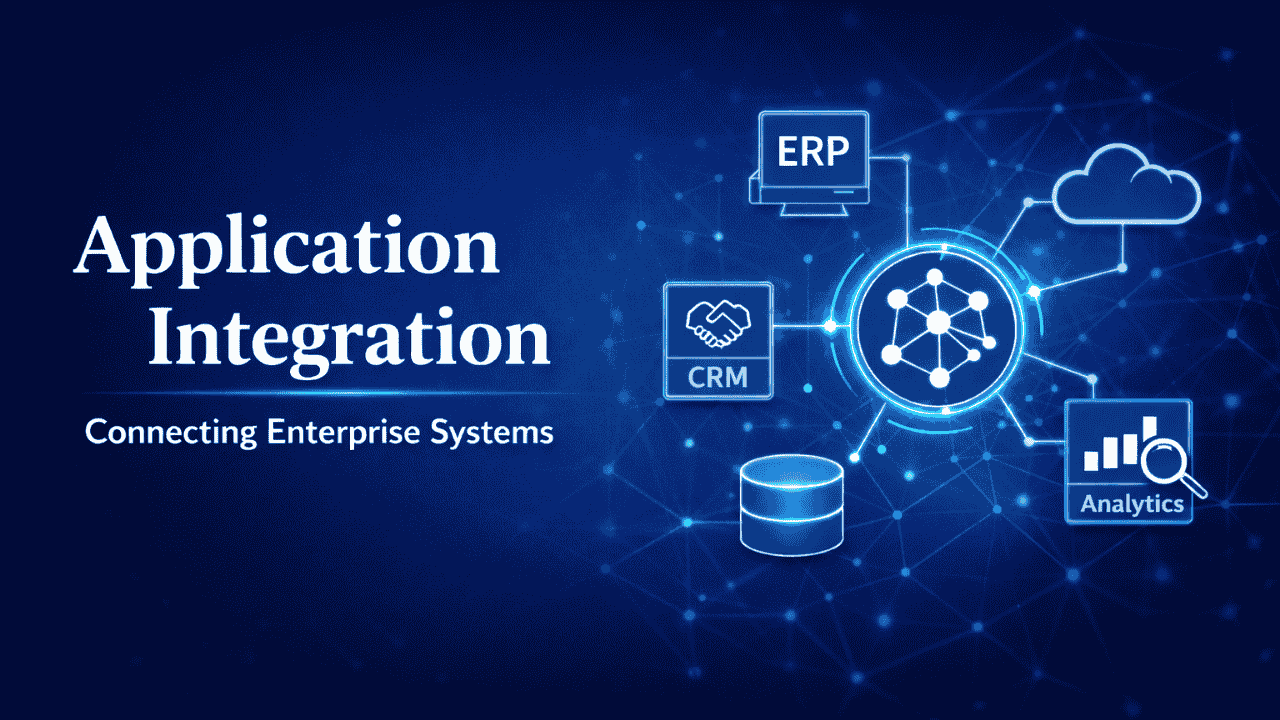
Application Integration: Connecting Enterprise Software Systems

Today’s enterprises rely on a wide range of software applications to run their operations. From finance and customer relationship management to supply chain systems and analytics platforms, each application plays an important role in supporting business functions.

However, when these systems operate independently, organizations often face challenges such as disconnected data, repeated manual work, and inefficient workflows. Teams may spend valuable time transferring information between systems instead of focusing on strategic tasks.

Application integration helps solve this problem by connecting enterprise software systems so they can communicate and share data seamlessly. When applications work together as part of a unified ecosystem, organizations can streamline processes, improve collaboration, and gain better visibility across operations.

What Is Application Integration?

Application integration is the process of connecting different software applications so they can exchange information and work together efficiently.

In many organizations, applications are implemented at different times to address specific business needs. As a result, these systems may not automatically communicate with one another.

Through integration technologies such as APIs and middleware, organizations can create connections between applications. This allows data to move automatically between systems, reducing manual work and ensuring that information remains consistent across the organization.

A well-integrated application environment helps enterprises simplify operations while improving productivity and decision-making.

Why Application Integration Matters for Enterprises

As organizations grow, they often add new software platforms to support evolving business requirements. While these applications bring valuable capabilities, managing them separately creates operational complexity that slows teams down.

Application integration allows organizations to bring these systems together into a connected environment where data flows smoothly across departments. Key benefits include:

  • Access to accurate, updated information without switching between multiple platforms
  • Faster response to customer needs and market changes
  • Automation of routine tasks, reducing manual errors
  • More time for employees to focus on higher-value activities

Common Examples of Application Integration

Application integration can be seen across many everyday business processes:

  • ERP and CRM integration: Sales and finance teams access the same customer and transaction data, improving coordination and decision-making across departments.
  • Marketing and analytics integration: Marketing automation tools connect with analytics platforms to track campaign performance and customer engagement more effectively.
  • Customer support and service management: Support teams gain access to full customer histories, enabling faster and more efficient issue resolution.
  • HR and payroll integration: Employee information is automatically updated across platforms, eliminating duplicate data entry and reducing errors.

These integrations help eliminate data silos and create smoother workflows across the enterprise.

Technologies Enabling Application Integration

Several technologies help organizations connect applications and enable seamless communication between systems.

APIs

Application Programming Interfaces (APIs) provide a standardized way for applications to communicate with each other. APIs allow systems to send and receive data without requiring direct access to each other’s internal structure, making them the most widely used integration method in modern enterprises.

Middleware

Middleware acts as a bridge between different applications. It manages data exchange and ensures that information moves correctly between systems that may use different technologies or data formats.

Integration Platforms

Integration platforms provide centralized tools that help organizations design, manage, and monitor connections between applications. These platforms simplify integration management and allow enterprises to scale their efforts as new applications are added over time.

Application Integration Solutions by Team Computers

Team Computers provides comprehensive application integration services that help organizations connect enterprise software systems and create unified digital environments. With extensive experience in enterprise IT services, the company supports businesses in integrating applications across multiple platforms, departments, and technology environments.

The approach focuses on designing scalable integration architectures that enable secure data exchange, streamlined workflows, and improved system interoperability. Specifically, Team Computers helps organizations with:

  • Connecting critical enterprise systems including ERP platforms, CRM solutions, analytics tools, and business applications
  • Implementing API-based integrations and middleware platforms that support both modern cloud applications and legacy systems
  • Optimizing application workflows and automating processes that previously required manual intervention
  • Building end-to-end integration frameworks that reduce operational complexity and improve user experiences

By enabling enterprise systems to communicate effectively, Team Computers helps organizations eliminate data silos and ensure that information flows seamlessly across every department.

Conclusion

As organizations continue to adopt new digital tools, the number of applications within enterprise environments will keep growing. Without proper integration, these systems create disconnected workflows, fragmented data, and limited visibility across operations.

The right application integration strategy allows businesses to connect enterprise systems, automate workflows, and improve overall efficiency at scale.

Team Computers helps organizations design and implement scalable application integration solutions that bring enterprise systems together into a unified technology ecosystem. Connect with our experts to explore how application integration can streamline your operations and support your digital transformation journey.

What to Look for in Enterprise Systems Integration Services Introduction

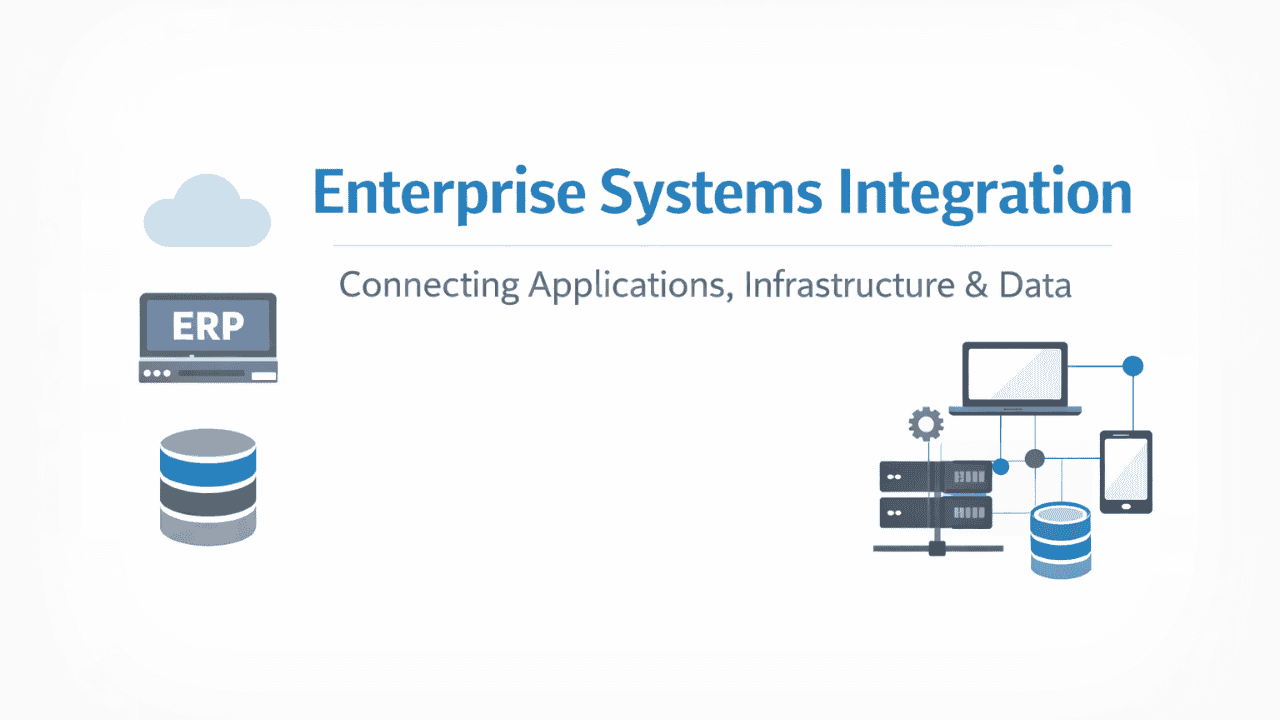
Modern enterprises rely on a wide range of digital technologies to manage operations, deliver customer experiences, and support business growth. From ERP systems and customer relationship management platforms to cloud infrastructure and data analytics tools, organizations deploy multiple technologies across different departments.

However, when these systems operate independently, enterprises often face fragmented workflows, inconsistent data environments, and operational inefficiencies. To overcome these challenges, organizations increasingly rely on enterprise systems integration services that connect applications, infrastructure, and data into a unified technology ecosystem.

Selecting the right integration services is a crucial decision for businesses undergoing digital transformation. The right integration partner helps organizations streamline operations, improve visibility across systems, and build scalable IT environments capable of supporting future growth.

Understanding what to look for in enterprise systems integration services enables organizations to choose a partner that delivers long-term strategic value rather than temporary technical fixes.

Deep Expertise Across Enterprise Technology Environments

One of the most important factors enterprises should evaluate when selecting systems integration services is the provider’s expertise across diverse enterprise technology environments.

Modern IT infrastructures are rarely simple. Most organizations operate across a combination of on-premise systems, cloud platforms, enterprise applications, and analytics environments. Successfully integrating these technologies requires deep knowledge of enterprise architecture, networking, application integration, and infrastructure management.

A capable systems integration provider understands how these technology components interact within complex enterprise ecosystems. This expertise enables them to design integration frameworks that allow systems to communicate efficiently while maintaining performance, security, and reliability.

Organizations benefit most from integration partners that combine strong technical capabilities with a strategic understanding of enterprise IT environments.

Experience with Hybrid and Multi-Cloud Integration

Cloud adoption has transformed enterprise technology environments. Many organizations now operate across hybrid infrastructures that combine on-premise systems with public and private cloud platforms.

While cloud technologies offer flexibility and scalability, they also introduce new integration challenges. Applications and data must move securely across different environments without disrupting operations.

Effective systems integration services must therefore support hybrid and multi-cloud connectivity.

Integration partners should be able to design architectures that connect applications across cloud platforms, enable secure data exchange between systems, and maintain consistent performance across distributed IT environments.

Enterprises planning cloud transformation initiatives should prioritize integration providers that have proven experience managing connectivity across hybrid and multi-cloud infrastructures.

Strong Focus on Security and Compliance

Enterprise integration initiatives involve connecting business-critical systems that manage sensitive data. Without proper security controls, integration frameworks may introduce vulnerabilities that expose organizations to cyber risks.

Security must therefore be a central component of enterprise systems integration strategies.

Integration providers should implement secure APIs, encrypted communication protocols, and robust access control mechanisms to ensure that data remains protected as it moves between systems. They must also ensure that integration architectures comply with industry regulations and internal governance policies.

By prioritizing security within integration frameworks, enterprises can maintain data integrity while protecting mission-critical operations.

Scalable Integration Architecture

Enterprise technology environments are constantly evolving. As organizations expand operations, adopt new applications, and introduce advanced digital capabilities, their IT infrastructure must adapt accordingly.

Systems integration solutions should therefore be designed with scalability in mind.

A scalable integration architecture allows organizations to introduce new technologies, connect additional applications, and expand digital services without disrupting existing systems.

Such architectures typically rely on standardized APIs, modular integration layers, and centralized monitoring platforms that simplify the management of connected technologies.

Organizations should seek systems integration services that focus not only on solving current connectivity challenges but also on building integration frameworks capable of supporting long-term growth.

How Team Computers Supports Enterprise Systems Integration

Successful enterprise integration projects require more than technical expertise. They require a strategic approach that aligns technology environments with long-term business goals.

Team Computers helps enterprises design and implement structured systems integration frameworks that connect applications, infrastructure, and data environments seamlessly.

By leveraging deep expertise in enterprise IT environments, cloud infrastructure, and digital transformation initiatives, Team Computers enables organizations to eliminate technology silos and build connected IT ecosystems.

Through its enterprise systems integration services, Team Computers helps businesses streamline operations, improve system visibility, and create scalable technology environments capable of supporting future innovation.

Expert Insight

“Successful enterprise systems integration requires more than connecting technologies. It requires designing architectures that remain scalable, secure, and adaptable as business needs evolve.”

– Enterprise Integration Specialist

Conclusion

As enterprises continue to adopt new technologies, maintaining a connected and efficient IT ecosystem becomes increasingly important. Disconnected systems can create inefficiencies, reduce visibility, and increase operational complexity across organizations.

Choosing the right enterprise systems integration services is therefore a critical step for organizations looking to build scalable and future-ready technology environments.

Enterprises should prioritize integration partners that offer deep technical expertise, strong security capabilities, and scalable architecture frameworks capable of supporting evolving business needs.

When implemented effectively, systems integration enables organizations to streamline workflows, improve data visibility, and accelerate digital transformation initiatives.

Looking to simplify enterprise technology integration?

Discover how Team Computers helps organizations implement enterprise systems integration services that connect applications, infrastructure, and data into a unified and scalable IT ecosystem.

Start building a connected enterprise technology environment today.

How Systems Integration Enables Seamless Customer Experience

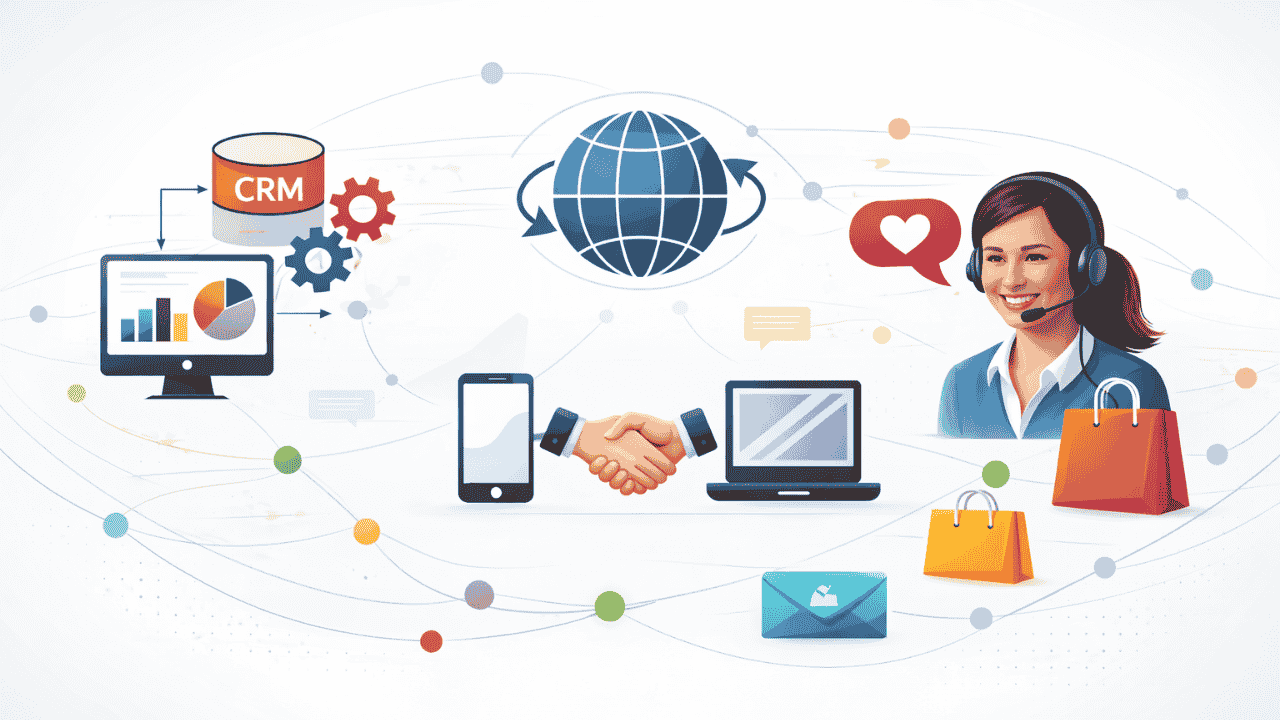
Customer expectations have evolved rapidly in the digital era. Today’s customers expect organizations to deliver fast, personalized, and consistent experiences across every interaction, whether it occurs through websites, mobile apps, support channels, or physical locations.

However, many enterprises operate multiple platforms for customer management, marketing automation, service operations, and analytics. When these systems operate independently, customer information becomes fragmented and difficult to access.

Team Computers helps organizations address this challenge through enterprise systems integration, enabling customer-facing platforms and backend systems to operate as part of a connected digital ecosystem.

Through effective systems integration, enterprises can streamline workflows, improve data visibility, and ensure that every customer interaction is supported by accurate and real-time information.

The Challenge of Disconnected Customer Systems

Most enterprises rely on a variety of applications to manage customer relationships. CRM platforms support sales teams, marketing automation tools manage campaigns, and customer service platforms handle support requests.

While each platform plays an important role, they often function independently. This lack of connectivity creates data silos, where customer information is stored in different systems without synchronization.

When systems remain disconnected, organizations struggle to maintain a consistent view of customer interactions. Sales teams may not see service history, support teams may lack visibility into previous marketing engagements, and marketing teams may operate without access to real-time customer insights.

Over time, these gaps create delays, inconsistent communication, and reduced customer satisfaction. Organizations therefore need integrated technology environments where applications share data and support seamless collaboration across teams.

Creating a Unified Customer View Through Systems Integration

One of the most important outcomes of enterprise systems integration is the creation of a unified customer view. When enterprise platforms are integrated, customer data flows seamlessly across systems, allowing organizations to build a comprehensive profile of each customer.

This integrated environment enables teams across departments to access the same accurate information. Customer service representatives can quickly review purchase history, previous support requests, and interaction records. Sales teams gain insights into customer engagement, while marketing teams can analyze behavior across channels.

With a connected technology ecosystem, organizations can respond to customer needs more effectively. A unified view of the customer enables faster problem resolution, improved personalization, and stronger customer relationships.

Systems integration therefore plays a crucial role in helping enterprises deliver consistent and reliable customer experiences.

Enhancing Customer Journeys Across Digital Channels

Customer journeys often involve multiple touchpoints across digital and physical channels. A customer may first interact with a brand through a website, continue engagement through email campaigns, and later contact support through a service portal.

Without systems integration, these interactions remain isolated within separate platforms. This makes it difficult for organizations to understand the full customer journey.

By integrating enterprise applications, organizations can connect these touchpoints and create seamless customer experiences. Automated workflows allow customer interactions to trigger responses across different systems.

For example, when a customer submits an inquiry, integrated systems can automatically generate support tickets, update CRM records, and notify relevant teams. Similarly, customer engagement data can be shared with marketing platforms to deliver personalized communication.

These capabilities ensure that customers receive consistent and efficient service throughout their journey.

Improving Customer Insights Through Integrated Data

Data plays a critical role in modern customer experience strategies. Organizations rely on customer data to understand behavior, measure satisfaction, and identify opportunities for improvement.

However, when data remains scattered across different systems, it becomes difficult to generate meaningful insights.

Through systems integration, enterprises can consolidate customer data into centralized analytics platforms. This enables organizations to analyze patterns, monitor engagement levels, and gain deeper insights into customer preferences.

Integrated data environments allow decision-makers to evaluate customer trends and refine strategies based on accurate information. These insights help organizations improve service delivery, optimize marketing initiatives, and enhance overall customer satisfaction.

As a result, integrated systems enable enterprises to build data-driven customer experience strategies that support long-term business growth.

How Team Computers Enables Integrated Customer Experience Platforms

Delivering seamless customer experiences requires more than implementing individual software platforms. Organizations need an integrated technology environment where applications, infrastructure, and data systems work together efficiently.

Team Computers supports enterprises in designing and implementing systems integration frameworks that connect customer-facing platforms with core business applications.

By integrating CRM systems, marketing platforms, analytics tools, and enterprise applications, Team Computers enables organizations to eliminate data silos and create connected digital ecosystems.

With extensive experience in enterprise IT environments, the company helps businesses build scalable integration architectures that support consistent customer engagement across channels.

Through structured integration strategies, organizations can improve operational efficiency while delivering exceptional customer experiences.

Conclusion

Delivering seamless customer experiences has become a critical priority for modern enterprises. Customers expect fast responses, personalized interactions, and consistent service across every touchpoint.

However, these expectations cannot be met when enterprise systems operate independently.

Systems integration enables organizations to connect customer platforms, unify data, and automate workflows across departments. Integrated environments improve collaboration, enhance data visibility, and support personalized customer engagement.

By partnering with experienced technology providers like Team Computers, enterprises can build connected IT ecosystems that support seamless customer experiences while driving long-term digital transformation.

Discover how Team Computers can help your organization build integrated IT environments that enable exceptional customer experiences and long-term digital growth.

Why Multi-Cloud Systems Integration is Critical for Enterprises

Enterprises are increasingly adopting multi-cloud strategies to improve flexibility, scalability, and resilience. Instead of relying on a single cloud provider, organizations now distribute workloads across multiple cloud platforms such as private clouds, public clouds, and hybrid infrastructure environments. While this approach offers significant operational advantages, it also introduces a new layer of complexity.

Without proper coordination between cloud platforms, organizations often struggle with fragmented infrastructure, inconsistent security policies, and limited visibility across environments. Applications deployed across different cloud providers may operate independently rather than as part of a unified technology ecosystem.

This is where multi-cloud systems integration becomes essential. By connecting cloud platforms, enterprise applications, networking frameworks, and security systems into a cohesive architecture, organizations can ensure that their multi-cloud environments operate seamlessly.

As a trusted enterprise IT partner, Team Computers helps organizations design integrated multi-cloud architectures that eliminate operational silos while maintaining security, performance, and scalability.

The Growing Complexity of Multi-Cloud Environments

Multi-cloud adoption has accelerated as enterprises seek to avoid vendor lock-in and take advantage of specialized services offered by different cloud providers. For example, an organization may use one cloud platform for data analytics, another for application hosting, and a third for disaster recovery.

While this distributed approach improves flexibility, it also creates complex IT ecosystems where infrastructure, applications, and data operate across multiple environments simultaneously. Each platform introduces its own management tools, networking configurations, and security frameworks.

When these environments are not properly integrated, IT teams often struggle to maintain consistent governance across platforms. Monitoring tools may only provide partial visibility, making it difficult to identify performance issues or security risks.

Multi-cloud systems integration addresses this complexity by creating a unified framework that connects different cloud environments. Instead of managing separate platforms independently, organizations gain centralized visibility and coordinated operations across the entire infrastructure.

Also Read: Future-Ready IT Infrastructure with Enterprise Systems Integration

The Operational Risks of Unintegrated Multi-Cloud Infrastructure

Enterprises that adopt multi-cloud environments without a structured integration strategy often encounter operational inefficiencies that impact performance and security. Disconnected systems can create communication gaps between applications and data sources, leading to delays in processing and decision-making.

Security is another critical concern. When cloud platforms operate independently, enforcing consistent security policies across environments becomes difficult. Identity management systems, endpoint protection tools, and monitoring frameworks may not share information effectively, creating potential security blind spots.

Data management also becomes increasingly challenging. Enterprises frequently store information across multiple cloud platforms, but without integration, synchronizing this data becomes complicated. This fragmentation can lead to inconsistent reporting and limited analytical insights.

Over time, these challenges increase operational overhead for IT teams. Instead of focusing on innovation and digital transformation initiatives, teams spend significant time managing connectivity issues between platforms.

Multi-cloud systems integration resolves these issues by enabling cloud platforms to communicate seamlessly, ensuring consistent operations across environments.

How Multi-Cloud Systems Integration Enables Unified Operations

A well-designed multi-cloud systems integration strategy ensures that different cloud environments operate within a coordinated infrastructure framework. Instead of isolated cloud platforms, enterprises create connected ecosystems where applications, networks, and data flows are synchronized.

Integration frameworks typically include several key architectural components that support unified operations.

One of the most important elements is application integration, which allows enterprise applications deployed across different cloud providers to communicate through APIs or middleware layers. This ensures that business applications can exchange information without disruption.

Another critical component is data integration. Enterprises must ensure that data stored across different cloud environments remains consistent and accessible. Integration platforms enable real-time data synchronization and centralized analytics capabilities.

Network integration also plays a crucial role. By establishing secure connectivity between cloud environments, organizations can maintain consistent performance and reliable communication across platforms.

When these components operate together, enterprises gain a unified technology environment where cloud platforms function as part of a cohesive system rather than isolated infrastructures.

Building a Scalable Multi-Cloud Architecture

Scalability is one of the primary motivations behind multi-cloud adoption. Enterprises want the flexibility to expand workloads, deploy new applications, and support global operations without being constrained by a single cloud provider.

However, scalability is only possible when the underlying infrastructure is properly integrated. Without integration, expanding cloud environments often introduces additional complexity instead of improving operational agility.

Multi-cloud systems integration enables scalability by establishing standardized architecture frameworks across platforms. These frameworks define how applications are deployed, how data flows between environments, and how security policies are enforced.

Integrated environments also support automation, allowing IT teams to manage infrastructure more efficiently. Automated workflows can handle tasks such as workload distribution, resource allocation, and performance monitoring across multiple platforms.

As organizations continue to expand their digital capabilities, this integrated architecture becomes essential for supporting long-term business growth.

How Team Computers Supports Multi-Cloud Systems Integration

Implementing multi-cloud systems integration requires deep expertise across cloud platforms, enterprise networking, and cybersecurity frameworks. Many organizations lack the internal resources required to design and manage these complex environments.

Team Computers brings extensive experience in building enterprise IT architectures that connect hybrid and multi-cloud environments into unified operational ecosystems. Rather than deploying cloud technologies in isolation, the focus is on creating structured integration frameworks that align infrastructure, applications, and security systems.

This approach enables organizations to gain greater visibility across cloud platforms while maintaining consistent governance and operational efficiency.

Through its enterprise systems integration services, Team Computers supports organizations with multi-cloud architecture design, secure connectivity between cloud platforms, integration of enterprise applications, and centralized monitoring solutions.

“Multi-cloud environments deliver flexibility, but without integration they can quickly become difficult to manage. Successful enterprises treat integration as the foundation that allows multiple cloud platforms to operate as a single coordinated ecosystem.”

Conclusion

Multi-cloud strategies offer significant advantages for enterprises seeking scalability, resilience, and flexibility. However, without proper integration, these environments can introduce operational complexity and security risks.

Multi-cloud systems integration ensures that cloud platforms operate within a unified architecture that supports seamless communication, centralized governance, and efficient data flow.

Key takeaways include:

  • Multi-cloud adoption increases infrastructure complexity without integration
  • Disconnected cloud platforms create operational inefficiencies and security risks
  • Multi-cloud systems integration enables unified visibility across environments
  • Integrated architectures support scalability and digital transformation initiatives
  • Enterprises benefit from improved governance, automation, and operational efficiency

As enterprises continue expanding their cloud ecosystems, integration will remain a critical foundation for managing complex IT environments.

Discover how Team Computers can help your organization build a fully integrated multi-cloud environment that supports scalability, security, and operational efficiency.

Connect with our experts to explore how multi-cloud systems integration can transform your enterprise IT infrastructure into a unified and future-ready technology ecosystem.

How Integrated IT Systems Reduce Cybersecurity Risks for Enterprises

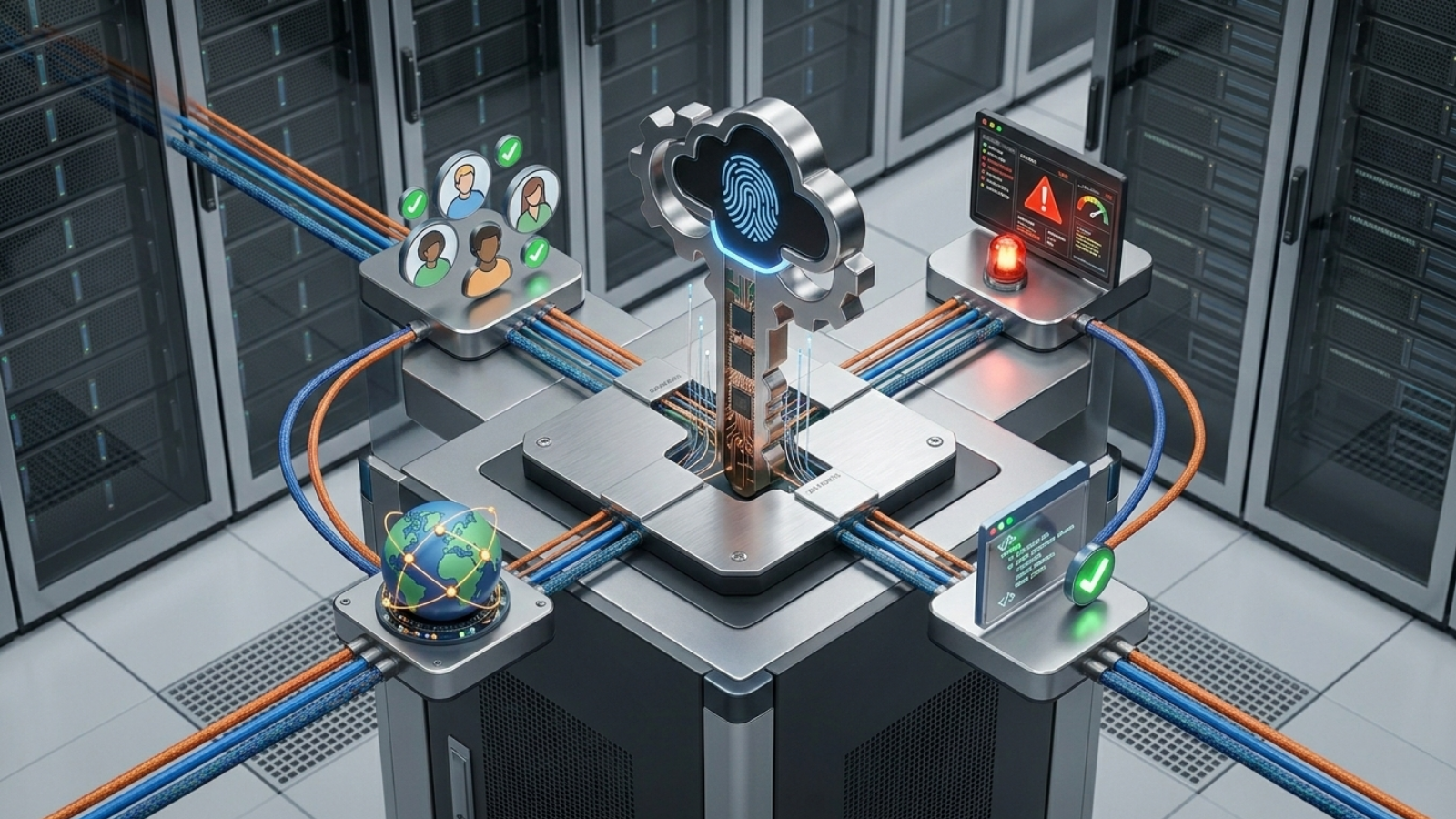
Cyber threats have become more sophisticated, persistent, and damaging than ever before. Enterprises today operate across complex digital ecosystems that include on-premise infrastructure, cloud platforms, remote work environments, and numerous third-party applications. While these technologies drive innovation and productivity, they also expand the attack surface that cybercriminals can exploit.

Many organizations deploy multiple security solutions to protect their environments. However, when these tools operate independently without proper coordination, visibility gaps emerge. Security teams struggle to detect threats quickly, investigate incidents efficiently, and respond with confidence. This is where systems integration improves enterprise cybersecurity in a meaningful way.

Systems integration aligns infrastructure, networking, cloud environments, and cybersecurity technologies into a unified architecture. By connecting security tools and creating centralized monitoring frameworks, enterprises gain stronger visibility, faster response capabilities, and improved control over their IT ecosystems.

In this blog, we will explore why cybersecurity challenges are increasing in modern enterprises, how fragmented security architectures create risk, and how systems integration helps organizations build a resilient and proactive security posture.

The Growing Cybersecurity Challenge for Modern Enterprises

Enterprise IT environments have evolved dramatically in recent years. Businesses now rely on hybrid infrastructure, distributed networks, cloud-based applications, and remote workforces to operate efficiently. While these changes accelerate digital growth, they also introduce new cybersecurity complexities.

Traditional security models were designed for centralized infrastructure where most systems operated within a controlled network perimeter. Today, enterprise environments are far more distributed, making it harder to maintain consistent protection across all assets.

Several factors contribute to this growing challenge:

  • Rapid adoption of cloud platforms and SaaS applications
  • Increasing number of endpoints and remote users
  • Multiple vendors providing independent security tools
  • Lack of centralized monitoring and reporting
  • Difficulty correlating security events across systems

Without proper alignment, security teams often rely on fragmented monitoring tools that generate large volumes of alerts without meaningful context. According to cybersecurity research, organizations handle thousands of alerts daily, yet a significant percentage remain uninvestigated due to limited visibility and resource constraints.

Systems integration addresses these issues by connecting infrastructure, applications, and security technologies into a coordinated framework where information flows seamlessly across systems.

Why Fragmented Security Architectures Increase Risk

Many enterprises invest heavily in cybersecurity technologies but still experience security incidents. The issue is rarely the absence of tools; it is the lack of integration between them.

When cybersecurity platforms operate in isolation, organizations encounter several operational challenges. Security events generated by firewalls, endpoint protection systems, identity platforms, and cloud environments remain scattered across different dashboards. This fragmentation slows down threat detection and increases the likelihood of overlooked vulnerabilities.

Fragmented security architectures create significant vulnerabilities for enterprises. When monitoring systems are disconnected, threat detection is often delayed, leaving organizations exposed to potential attacks. Incident response becomes inefficient as security teams struggle to coordinate actions across multiple platforms.

 Policy enforcement can be inconsistent across different parts of the infrastructure, making compliance difficult to maintain. Additionally, correlating security events across diverse environments becomes a complex and time-consuming task, increasing operational overhead for IT and security teams.

For example, a suspicious login event detected by an identity management system may not automatically correlate with abnormal network activity identified by a firewall. Without integration, security teams must manually investigate these signals, wasting valuable time during a potential attack.

As enterprises scale their digital operations, this lack of coordination becomes even more problematic. Systems integration solves this challenge by creating a unified ecosystem where security technologies communicate, share insights, and support coordinated defense mechanisms.

How Systems Integration Strengthens Enterprise Cybersecurity

When organizations adopt integrated IT architectures, cybersecurity becomes more proactive and intelligent. Systems integration improves enterprise cybersecurity by aligning security frameworks with infrastructure, networking, cloud platforms, and identity systems.

Rather than relying on disconnected tools, integrated environments enable centralized visibility and automated coordination between security controls.

Centralized Threat Visibility

Systems integration enables security teams to monitor events across the entire IT environment from a unified dashboard. Logs from servers, endpoints, cloud platforms, and network devices feed into centralized security platforms, enabling faster threat detection.

Automated Threat Correlation

Integrated systems allow security tools to share intelligence and correlate alerts across different environments. This reduces false positives and helps security teams focus on genuine threats.

Consistent Security Policy Enforcement

Systems integration ensures that security policies remain consistent across infrastructure layers. Whether workloads run on-premise or in the cloud, policies governing identity access, network segmentation, and endpoint protection remain aligned.

Faster Incident Response

When systems are integrated, automated workflows can trigger containment actions immediately. For example, suspicious endpoint behavior can automatically isolate devices from the network before threats spread further.

Together, these capabilities allow enterprises to shift from reactive security to proactive threat management.

The Role of Integrated Security Architecture in Modern Enterprises

Cybersecurity is no longer limited to firewalls and antivirus software; effective protection requires coordination across multiple domains, including identity management, network security, endpoint protection, cloud security, and data protection. Systems integration enables enterprises to design security architectures where these domains operate together seamlessly.

 An integrated security approach typically includes identity and access management unified across applications, network segmentation aligned with security policies, endpoint detection connected to centralized monitoring systems, cloud security integrated with enterprise governance frameworks, and continuous monitoring with automated incident response. By embedding security directly into the IT ecosystem, organizations can detect threats earlier and respond more accurately. 

At Team Computers, enterprise systems integration focuses on creating secure, resilient IT environments where cybersecurity is an integral part of the infrastructure architecture, rather than an afterthought.

How Team Computers Enables Secure Systems Integration

Enterprises require more than technology tools to build strong cybersecurity frameworks. They need experienced integration partners who understand how infrastructure, networking, cloud platforms, and security solutions interact.

Team Computers brings nearly four decades of experience in designing enterprise IT environments where security and performance coexist seamlessly. Through structured systems integration services, organizations gain the ability to connect diverse technologies into unified operational ecosystems. The approach focuses on building integrated infrastructure and security architecture while enabling centralized monitoring and enhanced security visibility across systems. 

It also ensures that cloud security is aligned with enterprise governance policies, allowing organizations to maintain compliance and control across hybrid environments. Additionally, identity-driven security models support distributed workforces by securing access across multiple platforms, while continuous optimization and lifecycle management help maintain performance, reliability, and long-term scalability of enterprise IT systems.

By integrating security technologies into a cohesive framework, enterprises gain better control over their digital environments while maintaining the agility required for modern business operations.

Conclusion

Cybersecurity challenges will continue to evolve as enterprises adopt new technologies, expand digital operations, and operate across distributed environments. Fragmented security architectures cannot keep pace with these changes. Organizations must adopt integrated approaches that unify their security ecosystems.

When implemented strategically, systems integration improves enterprise cybersecurity by creating environments where technologies communicate, policies remain consistent, and threats are detected faster.

Key takeaways include:

  • Fragmented security systems create visibility gaps and operational risk
  • Integrated architectures improve threat detection and response speed
  • Centralized monitoring strengthens security oversight
  • Automated coordination between security tools reduces response time
  • Enterprise cybersecurity becomes proactive rather than reactive 

By aligning infrastructure, cloud platforms, networking, and security technologies, organizations can build resilient digital ecosystems capable of defending against modern cyber threats.

Discover how integrated IT environments can strengthen your organization’s cybersecurity strategy. Team Computers helps enterprises design secure, scalable infrastructures where systems integration enhances visibility, resilience, and protection.

Connect with our experts to explore how systems integration can improve your enterprise cybersecurity posture and prepare your IT environment for evolving digital threats.

Seamless Enterprise IT: Standardization Through Systems Integration

Growth is exciting. It brings new markets, new teams, new customers, and new ambitions. But growth also brings complexity. As enterprises expand, their IT environments rarely grow in a straight line. Branches open at different times. Applications are deployed based on immediate needs. Security tools are added after incidents. Cloud subscriptions multiply independently. Over time, what begins as innovation can turn into fragmentation.

This is where Team Computers steps in, not just as a technology partner, but as a Systems Integrator that restores structure to expanding ecosystems.

When Growth Outpaces IT Architecture

In distributed enterprises, common patterns emerge. Different branch configurations, multiple firewall standards, isolated Cloud environments, inconsistent backup policies, varying endpoint security controls, and limited centralized monitoring may seem minor individually, but collectively they create operational risk. Standardization is not about restriction, it is about stability. And stability begins with Systems Integration.

What Enterprise IT Standardization Really Means

Standardization does not mean identical hardware everywhere. It involves:

  • Unified architecture principles
  • Consistent security frameworks
  • Aligned networking policies
  • Centralized monitoring visibility
  • Structured lifecycle governance 

As a Systems Integrator, Team Computers designs environments where expansion does not introduce unpredictability. Every new location, workload, or application fits into a defined architectural blueprint.

From Fragmented Deployments to Unified Frameworks

Many organizations operate across ecosystems powered by global technology platforms such as Cisco Systems, Hewlett Packard Enterprise, and Microsoft Azure. Each platform delivers excellence within its domain, but excellence in isolation does not guarantee cohesion. Team Computers ensures:

  • Network policies align with Cloud governance
  • Identity controls extend across applications
  • Backup frameworks protect hybrid workloads
  • Monitoring tools deliver consolidated insights 

The objective is orchestration, not accumulation.

Designing Repeatable IT Models for Multi-Location Enterprises

For enterprises operating across cities or regions, repeatability becomes critical. Team Computers builds integration frameworks that allow rapid branch rollout without architectural redesign, consistent security posture across locations, predictable network performance, centralized compliance enforcement, and standardized AMC governance. Every deployment strengthens the ecosystem instead of complicating it.

Integration Beyond Deployment

Standardization fails when integration ends at implementation. Technology evolves, threat landscapes shift, and business priorities expand. As a Systems Integrator, Team Computers supports enterprises across the full lifecycle, including consultative architecture design, structured implementation, proactive monitoring, managed services, performance optimization, and governance reviews. Integration becomes a sustained discipline, not a one-time project.

The Leadership Advantage of Standardized Integration

When IT environments are standardized through Systems Integration, downtime reduces, escalation cycles shorten, Cloud costs stabilize, security visibility improves, and decision-making accelerates. Executives gain confidence because IT performance becomes predictable, and predictability enables strategic planning.

Why Team Computers Leads in Systems Integration

With nearly four decades of enterprise IT experience, multi-domain expertise across infrastructure, Cloud, cybersecurity, and networking, vendor-neutral architectural consulting, nationwide service capability, and single-window accountability, Team Computers operates as an extension of enterprise IT leadership, ensuring that every technology decision strengthens long-term architectural integrity.

Integration Is the Discipline Behind Scalable Growth

Enterprises do not fail because they adopt new technology – they struggle when new technology is not integrated into an existing structure. Systems Integration provides that structure. It transforms expansion into controlled scalability, converts complexity into coordinated performance, and turns fragmented tools into cohesive ecosystems. And that is how Team Computers engineers enterprise IT with intention.

How Systems Integration Accelerates Enterprise Scalability

Growth introduces complexity. New branches, new users, new applications, and new compliance requirements all come into play as enterprises expand. Without structured IT alignment, scalability can lead to operational instability. Enterprise growth demands integrated foundations. 

As a leading Systems Integrator in India, Team Computers enables scalable enterprise environments through structured Systems Integration frameworks designed for performance, governance, and long-term expansion.

The Scalability Challenge in Modern Enterprises

As organizations grow, they often encounter infrastructure that cannot support increased workloads, Cloud environments deployed without governance, inconsistent security policies across locations, network bottlenecks in branch offices, and fragmented monitoring tools. These challenges result in rising downtime, unpredictable costs, and reduced operational control.

Common bottlenecks include:

  • Infrastructure unable to handle growing workloads
  • Security policies that vary across branches
  • Fragmented monitoring and reporting tools 

Structured Systems Integration eliminates these bottlenecks by aligning infrastructure, Cloud, networking, and cybersecurity into a unified architecture. By connecting all elements of the IT environment, enterprises gain operational stability, predictability, and readiness for further growth.

Team Computers’ Scalable Systems Integration Framework

Team Computers designs frameworks that support scalable growth across all enterprise layers. These frameworks ensure that IT expansion is controlled, secure, and aligned with business objectives.

Key components include:

1. Modular Infrastructure Architecture

  • Compute and storage expansion readiness
  • Virtualization optimization
  • High-availability clustering
  • Integrated disaster recovery frameworks

2. Hybrid and Multi-Cloud Alignment

  • Seamless workload migration
  • Cloud cost governance
  • Identity synchronization across platforms
  • Unified performance monitoring 

With these capabilities, scalability becomes structured rather than reactive. Enterprises can expand confidently, knowing performance, security, and visibility remain intact.

For enterprises expanding across multiple locations, consistency is critical. Team Computers enables template-based branch IT deployments, centralized configuration management, secure inter-branch networking, policy enforcement, and monitoring across distributed environments. Security is embedded at every level, scaling alongside infrastructure growth to reduce risk exposure.

Business Outcomes and Trusted Expertise

Enterprises experience faster branch rollout, reduced operational disruption, controlled IT expenditure, improved uptime, centralized governance, and enhanced executive visibility. By enabling scalable frameworks, Systems Integration turns growth into a competitive advantage rather than a source of operational risk.

Nearly four decades of enterprise IT expertise, comprehensive multi-technology integration capabilities, a vendor-neutral advisory approach, strong OEM partnerships, and a nationwide service and lifecycle support presence make Team Computers a trusted partner. Systems Integration frameworks are architected to anticipate tomorrow’s growth.

Enterprise success depends on the ability to scale without compromising performance or governance. Team Computers builds resilient, scalable, and future-ready IT ecosystems that support sustained business growth. Integration enables scalability, and scalability enables transformation. At Team Computers, integration is engineered with precision to power enterprise evolution.