
How Integrated IT Systems Reduce Cybersecurity Risks for Enterprises

Cyber threats have become more sophisticated, persistent, and damaging than ever before. Enterprises today operate across complex digital ecosystems that include on-premise infrastructure, cloud platforms, remote work environments, and numerous third-party applications. While these technologies drive innovation and productivity, they also expand the attack surface that cybercriminals can exploit.

Many organizations deploy multiple security solutions to protect their environments. However, when these tools operate independently without proper coordination, visibility gaps emerge. Security teams struggle to detect threats quickly, investigate incidents efficiently, and respond with confidence. This is where systems integration improves enterprise cybersecurity in a meaningful way.

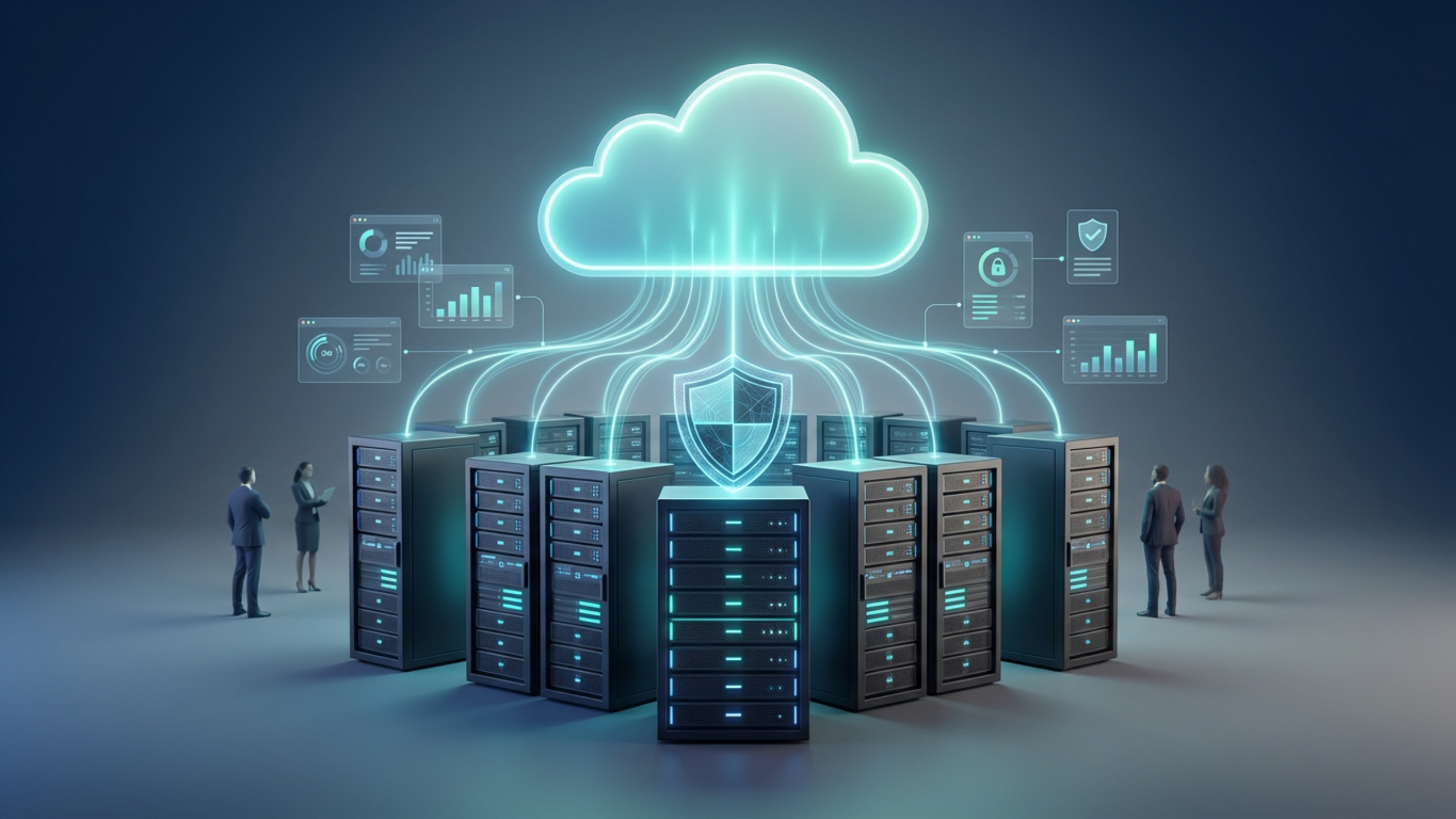
Systems integration aligns infrastructure, networking, cloud environments, and cybersecurity technologies into a unified architecture. By connecting security tools and creating centralized monitoring frameworks, enterprises gain stronger visibility, faster response capabilities, and improved control over their IT ecosystems.

In this blog, we will explore why cybersecurity challenges are increasing in modern enterprises, how fragmented security architectures create risk, and how systems integration helps organizations build a resilient and proactive security posture.

The Growing Cybersecurity Challenge for Modern Enterprises

Enterprise IT environments have evolved dramatically in recent years. Businesses now rely on hybrid infrastructure, distributed networks, cloud-based applications, and remote workforces to operate efficiently. While these changes accelerate digital growth, they also introduce new cybersecurity complexities.

Traditional security models were designed for centralized infrastructure where most systems operated within a controlled network perimeter. Today, enterprise environments are far more distributed, making it harder to maintain consistent protection across all assets.

Several factors contribute to this growing challenge:

  • Rapid adoption of cloud platforms and SaaS applications
  • Increasing number of endpoints and remote users
  • Multiple vendors providing independent security tools
  • Lack of centralized monitoring and reporting
  • Difficulty correlating security events across systems

Without proper alignment, security teams often rely on fragmented monitoring tools that generate large volumes of alerts without meaningful context. According to cybersecurity research, organizations handle thousands of alerts daily, yet a significant percentage remain uninvestigated due to limited visibility and resource constraints.

Systems integration addresses these issues by connecting infrastructure, applications, and security technologies into a coordinated framework where information flows seamlessly across systems.

Why Fragmented Security Architectures Increase Risk

Many enterprises invest heavily in cybersecurity technologies but still experience security incidents. The issue is rarely the absence of tools; it is the lack of integration between them.

When cybersecurity platforms operate in isolation, organizations encounter several operational challenges. Security events generated by firewalls, endpoint protection systems, identity platforms, and cloud environments remain scattered across different dashboards. This fragmentation slows down threat detection and increases the likelihood of overlooked vulnerabilities.

Fragmented security architectures create significant vulnerabilities for enterprises. When monitoring systems are disconnected, threat detection is often delayed, leaving organizations exposed to potential attacks. Incident response becomes inefficient as security teams struggle to coordinate actions across multiple platforms.

 Policy enforcement can be inconsistent across different parts of the infrastructure, making compliance difficult to maintain. Additionally, correlating security events across diverse environments becomes a complex and time-consuming task, increasing operational overhead for IT and security teams.

For example, a suspicious login event detected by an identity management system may not automatically correlate with abnormal network activity identified by a firewall. Without integration, security teams must manually investigate these signals, wasting valuable time during a potential attack.

As enterprises scale their digital operations, this lack of coordination becomes even more problematic. Systems integration solves this challenge by creating a unified ecosystem where security technologies communicate, share insights, and support coordinated defense mechanisms.

How Systems Integration Strengthens Enterprise Cybersecurity

When organizations adopt integrated IT architectures, cybersecurity becomes more proactive and intelligent. Systems integration improves enterprise cybersecurity by aligning security frameworks with infrastructure, networking, cloud platforms, and identity systems.

Rather than relying on disconnected tools, integrated environments enable centralized visibility and automated coordination between security controls.

Centralized Threat Visibility

Systems integration enables security teams to monitor events across the entire IT environment from a unified dashboard. Logs from servers, endpoints, cloud platforms, and network devices feed into centralized security platforms, enabling faster threat detection.

Automated Threat Correlation

Integrated systems allow security tools to share intelligence and correlate alerts across different environments. This reduces false positives and helps security teams focus on genuine threats.

Consistent Security Policy Enforcement

Systems integration ensures that security policies remain consistent across infrastructure layers. Whether workloads run on-premise or in the cloud, policies governing identity access, network segmentation, and endpoint protection remain aligned.

Faster Incident Response

When systems are integrated, automated workflows can trigger containment actions immediately. For example, suspicious endpoint behavior can automatically isolate devices from the network before threats spread further.

Together, these capabilities allow enterprises to shift from reactive security to proactive threat management.

The Role of Integrated Security Architecture in Modern Enterprises

Cybersecurity is no longer limited to firewalls and antivirus software; effective protection requires coordination across multiple domains, including identity management, network security, endpoint protection, cloud security, and data protection. Systems integration enables enterprises to design security architectures where these domains operate together seamlessly.

 An integrated security approach typically includes identity and access management unified across applications, network segmentation aligned with security policies, endpoint detection connected to centralized monitoring systems, cloud security integrated with enterprise governance frameworks, and continuous monitoring with automated incident response. By embedding security directly into the IT ecosystem, organizations can detect threats earlier and respond more accurately. 

At Team Computers, enterprise systems integration focuses on creating secure, resilient IT environments where cybersecurity is an integral part of the infrastructure architecture, rather than an afterthought.

How Team Computers Enables Secure Systems Integration

Enterprises require more than technology tools to build strong cybersecurity frameworks. They need experienced integration partners who understand how infrastructure, networking, cloud platforms, and security solutions interact.

Team Computers brings nearly four decades of experience in designing enterprise IT environments where security and performance coexist seamlessly. Through structured systems integration services, organizations gain the ability to connect diverse technologies into unified operational ecosystems. The approach focuses on building integrated infrastructure and security architecture while enabling centralized monitoring and enhanced security visibility across systems. 

It also ensures that cloud security is aligned with enterprise governance policies, allowing organizations to maintain compliance and control across hybrid environments. Additionally, identity-driven security models support distributed workforces by securing access across multiple platforms, while continuous optimization and lifecycle management help maintain performance, reliability, and long-term scalability of enterprise IT systems.

By integrating security technologies into a cohesive framework, enterprises gain better control over their digital environments while maintaining the agility required for modern business operations.

Conclusion

Cybersecurity challenges will continue to evolve as enterprises adopt new technologies, expand digital operations, and operate across distributed environments. Fragmented security architectures cannot keep pace with these changes. Organizations must adopt integrated approaches that unify their security ecosystems.

When implemented strategically, systems integration improves enterprise cybersecurity by creating environments where technologies communicate, policies remain consistent, and threats are detected faster.

Key takeaways include:

  • Fragmented security systems create visibility gaps and operational risk
  • Integrated architectures improve threat detection and response speed
  • Centralized monitoring strengthens security oversight
  • Automated coordination between security tools reduces response time
  • Enterprise cybersecurity becomes proactive rather than reactive 

By aligning infrastructure, cloud platforms, networking, and security technologies, organizations can build resilient digital ecosystems capable of defending against modern cyber threats.

Discover how integrated IT environments can strengthen your organization’s cybersecurity strategy. Team Computers helps enterprises design secure, scalable infrastructures where systems integration enhances visibility, resilience, and protection.

Connect with our experts to explore how systems integration can improve your enterprise cybersecurity posture and prepare your IT environment for evolving digital threats.

How Systems Integration Services Improve Enterprise IT Performance

Enterprise IT environments are becoming increasingly complex. Infrastructure, cloud platforms, networking frameworks, cybersecurity tools, and business applications all operate simultaneously across distributed environments. Yet many organizations still manage these components in isolation. This fragmentation often leads to inconsistent performance, operational inefficiencies, and limited visibility across IT operations.

This is where Systems Integration Services play a critical role. Rather than allowing technology platforms to operate independently, systems integration connects them into a unified, coordinated architecture. When infrastructure, cloud environments, applications, and security frameworks communicate effectively, enterprises gain greater operational control and improved system performance.

At Team Computers, we help enterprises bring these disconnected systems together through structured Systems Integration Services that align infrastructure, cloud, networking, and security into a unified ecosystem. This approach enables organizations to simplify operations, strengthen governance, and build scalable IT environments.

For organizations pursuing digital growth, integrated systems are no longer optional. Without structured integration, scaling IT environments becomes unpredictable and difficult to manage.

The Hidden Complexity in Modern Enterprise IT

Many enterprises adopt new technologies to solve immediate business challenges. Over time, however, these additions create fragmented IT ecosystems where systems operate independently rather than collaboratively.

A typical enterprise environment may include on-premise infrastructure, hybrid cloud workloads, endpoint security tools, branch networks, collaboration platforms, and data analytics systems. While each technology serves a specific function, the absence of integration creates operational friction.

Without integration, IT teams face challenges such as inconsistent configurations, fragmented monitoring tools, and limited interoperability between applications. Performance troubleshooting becomes slower because data and alerts are spread across multiple platforms.

More importantly, fragmented systems limit executive visibility. Leadership teams struggle to obtain a clear understanding of IT performance when reporting and monitoring systems operate in silos.

Systems integration addresses this problem by aligning infrastructure, applications, cloud environments, and networking frameworks into a structured architecture where every component communicates effectively. The result is not simply connectivity—it is operational cohesion.

Why Systems Integration Services Matter for Enterprise Growth

As organizations expand, their IT environments must support more users, applications, locations, and data workloads. Growth multiplies complexity, and without integration, IT infrastructure can become difficult to manage.

Systems Integration Services ensure that every new technology deployment aligns with the existing IT ecosystem rather than adding another isolated layer.

When integration becomes part of the IT strategy, enterprises gain several operational advantages.

Key benefits include:

  • Unified visibility across infrastructure, cloud, and networking environments
  • Faster issue detection and incident resolution
  • Improved resource utilization across IT platforms
  • Reduced operational complexity for IT teams
  • Scalable architecture that supports business expansion

These benefits extend beyond technical performance. Integrated environments enable IT leaders to focus on strategic innovation rather than constantly troubleshooting disconnected systems.

For enterprises investing in digital transformation, integration ensures that new technologies strengthen the ecosystem instead of increasing fragmentation.

Building a Unified Enterprise Architecture Through Integration

Effective systems integration begins with architecture design. Before connecting technologies, organizations must define how infrastructure, applications, cloud services, and security frameworks will interact within the broader IT ecosystem.

This architectural approach allows enterprises to establish clear standards for deployment, monitoring, and governance. Instead of deploying technologies independently, integration frameworks ensure that every system contributes to a cohesive IT environment.

Key elements of an integration-driven architecture include network interoperability, centralized monitoring systems, identity and access synchronization, and automated workflow orchestration. When these components operate together, enterprises gain a predictable and scalable technology foundation.

Organizations that adopt integrated architectures often experience improved system reliability and reduced operational downtime. More importantly, integration simplifies future technology adoption. New platforms can be introduced without disrupting existing operations because the architectural framework already defines how systems interact.

How Team Computers Delivers Enterprise Systems Integration

As enterprise IT ecosystems grow more complex, organizations increasingly require specialized expertise to align infrastructure, networking, cloud environments, and cybersecurity frameworks. Team Computers provides Systems Integration Services designed to unify enterprise IT environments and eliminate operational silos. 

Rather than focusing on individual technologies in isolation, the approach centers on building integrated ecosystems where systems operate as part of a coordinated and scalable architecture. This integration methodology brings together critical capabilities such as infrastructure and data center integration, alignment of hybrid and multi-cloud environments, seamless network and branch connectivity, integration of identity, access, and cybersecurity frameworks, and unified monitoring with performance management. By combining these elements into a cohesive structure, organizations gain greater visibility, stronger security, and more efficient IT operations.

By integrating these domains, Team Computers helps enterprises improve operational visibility and IT performance across their entire technology landscape.

This integrated approach also simplifies vendor management. Rather than coordinating multiple service providers independently, organizations gain a single partner responsible for aligning technologies and ensuring interoperability.

The Business Impact of Effective Systems Integration

When enterprise technologies operate within an integrated architecture, organizations experience measurable improvements in performance, governance, and scalability.

Integrated systems reduce the operational burden on IT teams by centralizing monitoring and automating routine processes. Troubleshooting becomes faster because data flows across connected platforms, enabling IT teams to identify root causes quickly.

Integration also strengthens cybersecurity posture. When identity management, endpoint protection, and network security frameworks operate within a unified architecture, enterprises gain stronger visibility into potential threats and vulnerabilities.

From a business perspective, integration enables technology investments to deliver maximum value. Instead of maintaining disconnected tools, enterprises create ecosystems where every platform contributes to overall operational efficiency.

Over time, this structured approach to integration enables organizations to scale confidently, launch new digital initiatives faster, and maintain consistent IT performance across locations.

Expert Insight

“Systems integration is not simply about connecting technologies. It is about designing an architecture where every system supports business outcomes. When enterprises adopt integration as a strategy rather than a project, IT performance improves across the board.”

Head of IT Services, Team Computers

CONCLUSION

Enterprise IT environments are evolving rapidly as organizations adopt new cloud platforms, applications, and digital tools. Without a structured approach to integration, these technologies can create complexity instead of delivering value.

Systems Integration Services provide the framework needed to transform fragmented systems into unified ecosystems that support enterprise growth.

Key takeaways include:

  • Fragmented IT environments limit operational efficiency and visibility
  • Systems Integration Services unify infrastructure, cloud, networking, and applications
  • Integrated architectures enable scalability and improved IT performance
  • Organizations benefit from centralized monitoring and stronger security frameworks
  • Strategic integration ensures that technology investments support long-term business growth

For enterprises seeking to modernize IT operations while maintaining stability, integration becomes the foundation of sustainable digital transformation.

Discover how Systems Integration Services from Team Computers can transform your IT environment into a unified, high-performance ecosystem. Our experts design and implement integration strategies that improve visibility, scalability, and operational efficiency.

Connect with Team Computers to explore how integrated IT architecture can support your enterprise growth.

Hybrid IT Systems Integration for Scalable Enterprise Infrastructure

Most enterprises today operate in a hybrid IT environment. Critical applications may run on on-premise infrastructure, while new workloads are deployed in the cloud. Collaboration tools operate through SaaS platforms, while legacy systems continue to support essential business operations.

This hybrid model offers flexibility, but it also introduces complexity. When systems operate across multiple environments without proper coordination, organizations struggle with performance inconsistencies, security gaps, and limited visibility into their IT operations.

This is where Hybrid IT Systems Integration becomes essential.

By integrating on-premise infrastructure, cloud platforms, networking frameworks, and cybersecurity tools, enterprises can create a unified technology ecosystem that supports both innovation and operational stability.

Without structured integration, hybrid environments often become fragmented. IT teams are forced to manage multiple monitoring tools, security controls remain inconsistent across platforms, and workloads may not communicate efficiently across environments.

Through hybrid IT systems integration, organizations gain the ability to manage infrastructure holistically, improve system performance, and ensure that technology investments work together rather than operate in isolation.

In this blog, we explore how hybrid IT environments create challenges for enterprises and how structured integration enables organizations to build scalable, efficient, and secure technology ecosystems.

The Rise of Hybrid IT in Modern Enterprises

Hybrid IT has become the dominant operating model for enterprise technology environments. Organizations increasingly combine traditional infrastructure with cloud services to gain flexibility, scalability, and cost efficiency.

However, hybrid environments introduce operational complexity that cannot be managed through traditional IT approaches.

Enterprises typically deploy hybrid IT environments to support several business objectives:

  • Running legacy systems on on-premise infrastructure
  • Deploying modern applications in public cloud environments
  • Supporting remote and hybrid work models
  • Scaling workloads dynamically during peak demand 

While this model provides flexibility, it also creates fragmented operational structures when integration is not properly implemented.

Infrastructure monitoring may be separated between data centers and cloud platforms. Security policies may vary across environments. Networking configurations may not be optimized for hybrid workloads.

Hybrid IT systems integration ensures that all these components operate within a unified architecture. Instead of managing multiple isolated environments, IT teams gain centralized visibility and operational control.

Challenges Enterprises Face Without Hybrid Systems Integration

When hybrid environments evolve without a structured integration strategy, organizations encounter a range of operational challenges.

Many enterprises experience inconsistent system performance because workloads operate across different platforms with varying configurations. Troubleshooting issues becomes difficult when monitoring tools cannot provide unified insights across infrastructure and cloud environments.

Security also becomes more complex. Identity management systems may not synchronize across platforms, and compliance monitoring becomes difficult when data flows between multiple environments.

Without hybrid IT systems integration, enterprises often face:

  • Fragmented infrastructure management
  • Inconsistent security policies across cloud and on-prem systems
  • Limited visibility into application performance
  • Complex troubleshooting and slower incident resolution 

These issues not only affect operational efficiency but also increase business risk.

Enterprises that implement integration frameworks can overcome these challenges by aligning infrastructure, networking, and security into a unified architecture.

Core Components of Hybrid IT Systems Integration

Effective hybrid integration requires alignment across several technology layers. Each component must operate within a coordinated architecture that supports scalability and operational efficiency.

Infrastructure Integration

On-premise infrastructure must be aligned with cloud environments so that workloads can move between platforms without disruption. Virtualization frameworks, storage systems, and compute environments should operate under consistent configuration standards.

Cloud Platform Alignment

Public cloud platforms provide flexibility, but they must integrate with existing enterprise systems. Hybrid integration ensures that identity management, workload orchestration, and monitoring tools function consistently across environments.

Network Connectivity Optimization

Networking plays a critical role in hybrid environments. Secure connectivity between data centers, branch offices, and cloud platforms ensures reliable performance for enterprise applications.

Security and Compliance Integration

Security frameworks must extend across all environments. Hybrid integration ensures consistent identity management, threat monitoring, and compliance policies across infrastructure and cloud platforms.

When these components are properly integrated, hybrid IT environments operate as cohesive ecosystems rather than disconnected systems.

Benefits of Hybrid IT Systems Integration

Organizations that adopt structured hybrid IT systems integration strategies gain several operational advantages that significantly improve both efficiency and scalability. By integrating cloud and on-premise environments into a unified architecture, enterprises achieve comprehensive IT visibility, allowing teams to monitor systems, applications, and infrastructure from a centralized perspective. Optimized connectivity between platforms enhances application performance, ensuring faster data flow and more reliable service delivery. At the same time, centralized security governance enables consistent policy enforcement across multiple environments, strengthening the organization’s overall security posture. In addition, standardized frameworks simplify IT management by reducing complexity, enabling IT teams to manage resources more efficiently while supporting scalable and sustainable digital growth.


These benefits allow enterprises to scale their technology environments while maintaining operational stability.

Hybrid integration also supports digital transformation initiatives. Organizations can adopt new technologies without disrupting existing infrastructure, enabling gradual modernization instead of large-scale system replacements.

How Team Computers Enables Hybrid IT Integration

Implementing hybrid integration requires deep expertise across infrastructure platforms, cloud ecosystems, networking frameworks, and cybersecurity technologies. Enterprises need an experienced technology partner capable of designing and managing complex integration architectures.

Team Computers delivers comprehensive hybrid IT systems integration solutions that help enterprises unify their technology environments.

With nearly four decades of enterprise IT experience, Team Computers works with organizations to design hybrid architectures that align infrastructure, cloud platforms, and networking frameworks into cohesive ecosystems.

Our integration approach focuses on building scalable environments that improve visibility, strengthen security, and simplify IT management.

Enterprises benefit from:

  • Expertise across infrastructure, cloud, networking, and cybersecurity domains
  • Vendor-neutral advisory with strong OEM partnerships
  • Nationwide implementation and lifecycle support capabilities 

Through structured integration frameworks, Team Computers enables enterprises to transform complex hybrid environments into efficient and scalable technology ecosystems.

“Hybrid IT environments offer flexibility, but without integration they quickly become difficult to manage. A structured integration strategy allows enterprises to combine the agility of cloud platforms with the stability of traditional infrastructure.”
– Head of IT Services, Team Computers

Conclusion

Hybrid IT environments are now a fundamental part of enterprise technology strategies. Organizations rely on a combination of on-premise infrastructure and cloud services to support modern applications, digital services, and remote work environments.

However, without proper coordination, hybrid systems can become fragmented and difficult to manage.

Hybrid IT systems integration ensures that infrastructure, networking, cloud platforms, and security tools operate within a unified architecture that supports business growth.

Key takeaways include:

  • Hybrid IT environments require structured integration to operate efficiently.
  • Unified monitoring improves visibility across cloud and on-prem systems.
  • Integrated security frameworks reduce operational risk.
  • Standardized architectures simplify IT management and scaling. 

Enterprises that implement integration strategies gain the ability to innovate faster while maintaining operational control.

Managing hybrid IT environments without integration can slow down innovation and increase operational complexity. Team Computers’ Hybrid IT Systems Integration services help enterprises unify infrastructure and cloud environments into secure, scalable ecosystems.

Discover how a structured hybrid integration strategy can simplify your IT operations and support long-term business growth.

Why Modern Enterprises Are Standardizing on Mac

Across industries, enterprises are rethinking the devices that power their workforce. The shift toward hybrid work, cloud applications, and security-first IT strategies has forced organizations to evaluate whether their existing device ecosystem truly supports modern work environments.

Increasingly, enterprises are choosing Mac as their preferred workplace device. With powerful performance, built-in security, and seamless integration into enterprise IT environments, Mac is becoming a strategic technology choice for organizations looking to modernize their digital workplace. However, successful enterprise adoption also requires the right implementation and support partner. This is where Team Computers, one of the largest Apple business partners in India, plays a critical role in enabling enterprise-scale Apple deployments.

Enterprise Performance That Drives Productivity

Modern organizations rely on high-performance computing to support everything from data analysis and software development to creative workflows and business operations. Devices that lag behind productivity demands can slow down teams and impact operational efficiency.

Mac devices powered by Apple silicon deliver exceptional speed, smooth multitasking, and reliable performance across demanding enterprise applications. Employees benefit from faster processing, improved battery efficiency, and a device experience designed for sustained productivity throughout the workday.

With the right deployment strategy from Team Computers, enterprises can ensure that Mac devices are integrated smoothly into their existing infrastructure, helping teams unlock higher levels of performance and productivity.

Security Built for the Modern Enterprise

Cybersecurity has become a boardroom-level priority for organizations. With increasing cyber threats, distributed workforces, and growing compliance requirements, enterprises need devices that are secure by design.

Mac provides enterprise-grade security through features such as hardware-level encryption, secure boot architecture, and built-in privacy controls. These capabilities help protect corporate data while supporting secure access to enterprise applications and cloud services.

Team Computers helps enterprises implement Mac within secure IT environments by enabling device management, identity integration, and security policy enforcement across large-scale deployments.

Simplified Apple Device Management at Scale

A common misconception among enterprises is that managing Mac devices at scale can be complex. In reality, modern enterprise mobility management solutions allow IT teams to deploy and manage Apple devices efficiently across distributed teams.

With automated provisioning, remote configuration, and centralized device management capabilities, IT administrators can manage Mac devices throughout their lifecycle. This includes deploying applications, enforcing security policies, and maintaining compliance across enterprise environments.

As an experienced Apple enterprise partner, Team Computers helps organizations streamline Mac deployment and management, ensuring that IT teams can scale Apple adoption without increasing operational complexity.

Enhancing Employee Experience with the Apple Ecosystem

Employee productivity today is closely tied to the technology experience they receive at work. Enterprises are increasingly recognizing that providing intuitive, high-performance devices can significantly improve engagement and retention.

Mac offers a seamless and user-friendly experience that employees across roles—from developers and designers to business leaders—value for its reliability and ease of use. When integrated with the broader Apple ecosystem, employees can move smoothly between devices, collaborate effectively, and maintain productivity across different work environments.

Through tailored enterprise solutions, Team Computers enables organizations to implement Apple ecosystems that support both employee experience and IT governance.

Lower Total Cost of Ownership for Enterprises

While procurement decisions often begin with upfront costs, forward-thinking organizations evaluate device strategies based on long-term value. Mac devices are widely recognized for their durability, performance longevity, and strong residual value.

Combined with reduced support requirements and longer device lifecycles, enterprises often discover that Mac offers a lower total cost of ownership compared to traditional device environments.

By partnering with Team Computers, organizations gain access to lifecycle management, enterprise deployment expertise, and ongoing support services that further optimize the value of Apple investments.

Enabling the Future Workplace with Team Computers

The modern workplace is defined by mobility, collaboration, and secure access to information from anywhere. Enterprises require technology platforms that support this flexibility without compromising performance or security.

Mac, combined with the right enterprise implementation strategy, provides a powerful foundation for building future-ready digital workplaces. With deep experience in enterprise IT solutions and Apple ecosystem deployments, Team Computers helps organizations design, deploy, and scale Mac environments that support innovation and growth.

As enterprises continue to modernize their IT infrastructure, partnering with the right Apple business partner becomes just as important as choosing the right device platform.
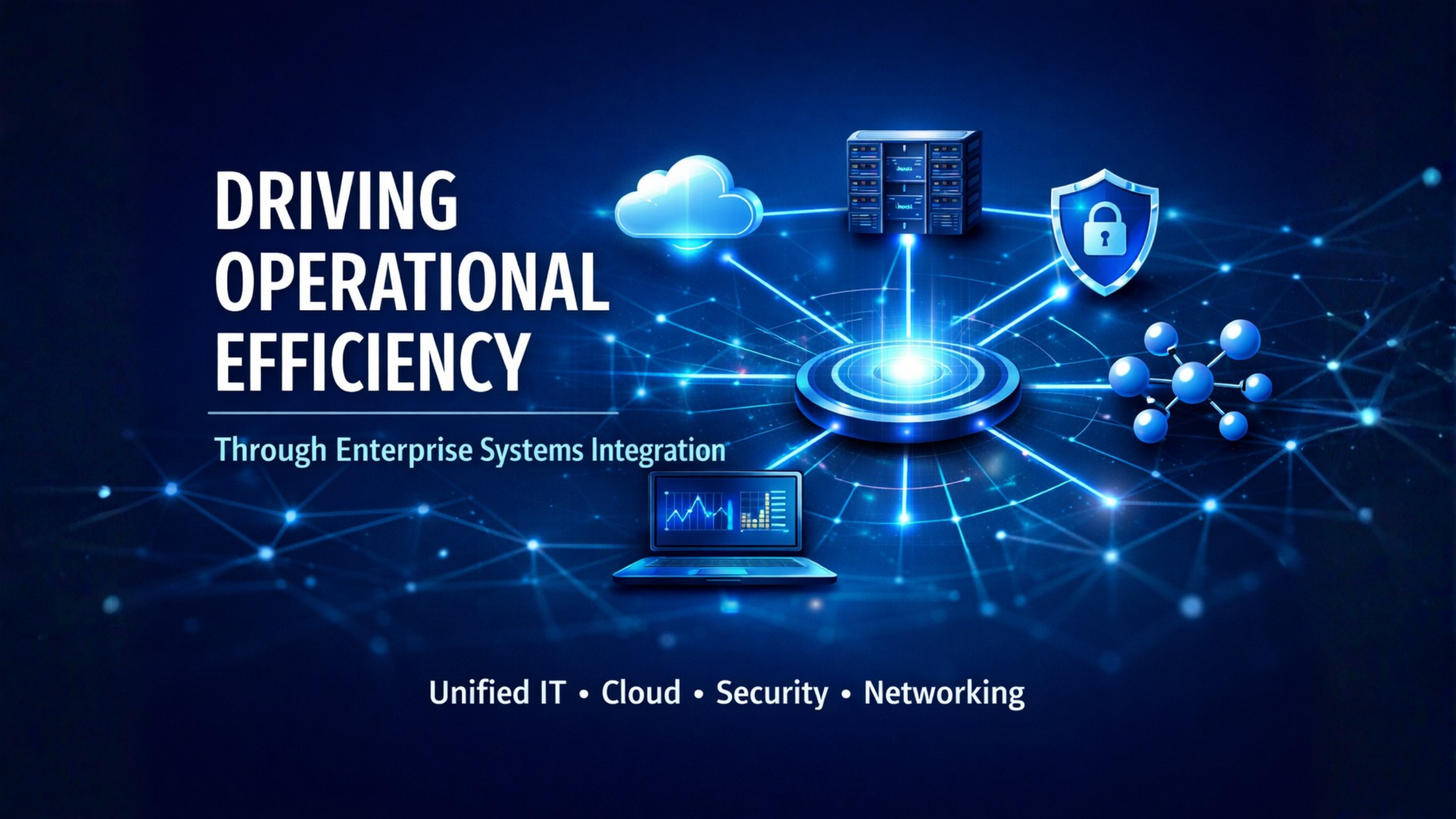
Driving Operational Efficiency Through Enterprise Systems Integration

Efficiency is the cornerstone of modern enterprises. Without streamlined processes, even the most advanced IT environments can suffer from downtime, rising costs, and slow response to business demands. Structured Systems Integration transforms fragmented IT landscapes into cohesive, high-performing ecosystems, delivering measurable operational efficiency.

Why Operational Efficiency Matters

Enterprises often face inefficiencies due to siloed systems, disconnected Cloud and on-prem infrastructure, multiple vendors with unclear accountability, redundant processes across locations, and limited monitoring and visibility. Systems Integration addresses these challenges by creating a unified IT environment where every component operates harmoniously.

Team Computers’ Integration-Driven Efficiency Framework

Streamlined Infrastructure and Cloud

Efficiency increases when infrastructure and Cloud resources are optimized and aligned with business objectives. Team Computers enables:

  • Consolidation of servers, storage, and virtualization platforms
  • Hybrid and multi-Cloud integration with automated workload migration
  • Centralized monitoring for proactive issue resolution
  • Scalable architecture that grows with enterprise needs

Unified Networking and Collaboration

High-performance networking ensures minimal downtime, while collaboration tools work seamlessly across platforms. Through Systems Integration, Team Computers provides:

  • SD-WAN and secure remote access for optimized branch connectivity
  • Integrated collaboration tools to enhance productivity
  • Reduced delays and operational friction across teams and locations

Embedded Cybersecurity and Compliance

Security is integrated, not layered. Endpoint protection, identity governance, and network security are embedded at every layer, along with automated compliance reporting and monitoring. This ensures:

  • Risk mitigation is proactive, not reactive
  • Security frameworks align with business-critical workloads
  • Enterprises can operate efficiently without compromising safety

Single-Window Accountability

Complex multi-vendor ecosystems are managed under one accountable partner. Team Computers ensures:

  • Coordinated troubleshooting and faster incident resolution
  • Lifecycle management through structured AMCs and managed services
  • Accelerated decision-making and minimized operational bottlenecks

Business Benefits of Integration-Led Efficiency

Enterprises leveraging Systems Integration experience reduced downtime and faster issue resolution, lower operational costs and predictable IT budgets, increased end-user productivity, transparent performance metrics for leadership, and scalable, future-ready IT ecosystems. Integration turns complexity into clarity, and clarity drives efficiency.

Why Enterprises Trust Team Computers

With nearly four decades of enterprise IT expertise, Team Computers brings cross-domain integration capability across infrastructure, Cloud, cybersecurity, networking, and end-user computing. Our vendor-neutral approach, strong OEM partnerships, and nationwide implementation, support, and lifecycle management ensure IT does not just function, it performs efficiently, reliably, and strategically.

Integration as the Backbone of Operational Excellence

Operational efficiency is no longer a passive outcome, it must be designed. By unifying systems, standardizing processes, and embedding security and governance, Team Computers enables enterprises to reduce complexity, optimize costs, and respond rapidly to changing business needs. Systems Integration is not just about connectivity; it is about making every IT investment work harder and smarter. And at Team Computers, efficiency is engineered at the core of enterprise IT.

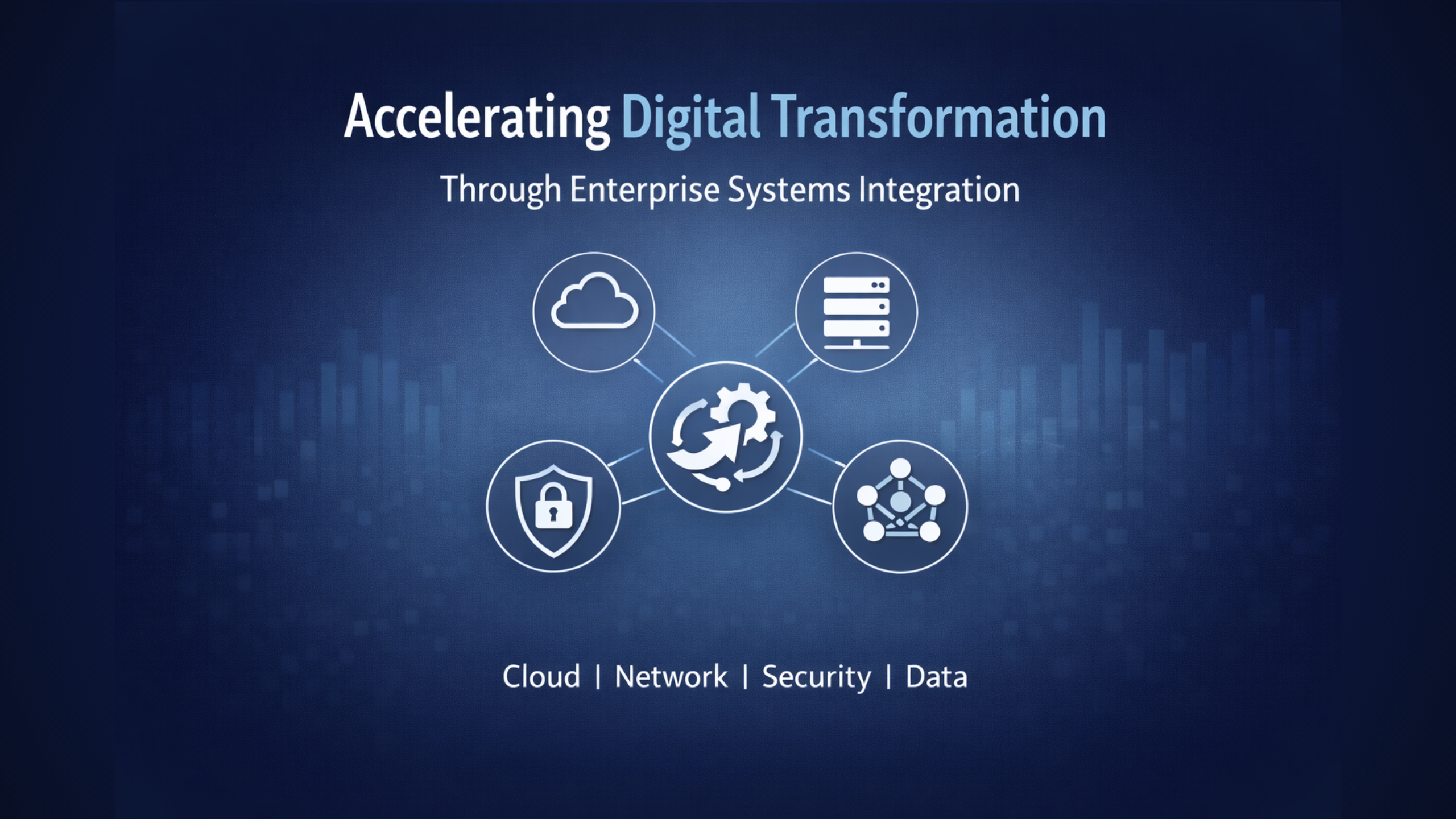
Accelerating Digital Transformation Through Enterprise Systems Integration

Digital transformation is no longer optional. It is operational survival. New platforms emerge, customer expectations rise, Cloud-native workloads expand, data volumes surge, and hybrid work becomes permanent. Yet many transformation initiatives stall, not because enterprises lack ambition, but because their foundational systems are not aligned.

Digital transformation succeeds when Systems Integration leads the architecture. As a leading Systems Integrator in India, Team Computers enables enterprises to modernize with confidence by integrating infrastructure, Cloud, networking, cybersecurity, and data ecosystems into cohesive, transformation-ready environments. Transformation accelerates when integration precedes innovation.

Why Transformation Initiatives Slow Down

Most organizations attempt to modernize on top of fragmented foundations. Legacy infrastructure struggles to support modern workloads. Cloud deployments grow without governance. Security policies lag behind application rollouts. Branch networks are unprepared for SaaS-driven traffic. Multiple vendors operate in silos without unified accountability.

The result is predictable, delays, budget overruns, operational instability, and diminished return on investment. Digital transformation requires architectural cohesion. Systems Integration provides that cohesion.

Modernization Begins with Structural Alignment

Modern applications demand optimized infrastructure, not just new hardware, but intelligent architecture. Team Computers integrates enterprise-grade platforms such as Dell Technologies into scalable modernization frameworks that support virtualization, high availability, workload migration, and resilient backup strategies. Legacy systems are not replaced recklessly, they are evolved deliberately. This is how modernization avoids disruption.

Cloud Acceleration with Governance

Digital transformation is Cloud-driven, but Cloud without integration creates complexity. By aligning environments across platforms like Microsoft Azure and Amazon Web Services, Team Computers ensures:

  • Workload portability
  • Identity synchronization
  • Cost governance
  • Unified monitoring

Cloud adoption becomes structured. Visibility improves. Sprawl reduces. Control strengthens. The Cloud becomes a performance engine, not a management burden.

Networks That Enable Innovation

Transformation initiatives often depend on SaaS platforms, collaboration tools, analytics engines, and AI-driven applications. Without optimized networking, performance suffers. Through structured Systems Integration, Team Computers aligns SD-WAN frameworks, secure branch connectivity, centralized policy enforcement, and workload segmentation into a cohesive network architecture. Connectivity becomes seamless, latency reduces, user experience improves, and networks stop being bottlenecks – they become enablers.

Security Embedded into Transformation

Every transformation initiative increases the attack surface – new endpoints, new integrations, and new data flows. Security cannot be reactive. Team Computers integrates endpoint protection, Cloud security controls, identity governance, and centralized SOC visibility into the core transformation architecture. Security becomes part of design, not an afterthought, and resilience becomes measurable.

The Business Impact of Integration-Led Transformation

When Systems Integration guides digital modernization, enterprises experience:

  • Faster deployment timelines
  • Reduced migration risk
  • Greater performance stability
  • Controlled transformation budgets
  • Improved executive visibility
  • Long-term scalability

Transformation becomes predictable instead of disruptive.

Integration Defines Sustainable Modernization

Technology adoption without integration creates fragmentation. Fragmentation increases risk. Risk delays transformation. Delay erodes competitive advantage. Structured Systems Integration ensures that every digital initiative aligns with enterprise architecture, governance, and long-term business objectives. Integration converts modernization into measurable progress.

Why Enterprises Choose Team Computers

With nearly four decades of enterprise IT experience, Team Computers combines cross-domain expertise, vendor-neutral advisory, strong OEM partnerships, and nationwide delivery capability. We do not execute isolated projects – we design integrated ecosystems where innovation can scale without compromising stability.

Integration Fuels Enterprise Evolution

Digital transformation is not a one-time milestone – it is continuous evolution. As a trusted Systems Integrator in India, Team Computers builds cohesive, future-ready IT environments that empower enterprises to innovate confidently while maintaining control, visibility, and resilience. Integration fuels modernization. Modernization fuels competitiveness. And at Team Computers, Systems Integration is engineered to accelerate enterprise evolution.

Seamless Enterprise IT: Standardization Through Systems Integration

Growth is exciting. It brings new markets, new teams, new customers, and new ambitions. But growth also brings complexity. As enterprises expand, their IT environments rarely grow in a straight line. Branches open at different times. Applications are deployed based on immediate needs. Security tools are added after incidents. Cloud subscriptions multiply independently. Over time, what begins as innovation can turn into fragmentation.

This is where Team Computers steps in, not just as a technology partner, but as a Systems Integrator that restores structure to expanding ecosystems.

When Growth Outpaces IT Architecture

In distributed enterprises, common patterns emerge. Different branch configurations, multiple firewall standards, isolated Cloud environments, inconsistent backup policies, varying endpoint security controls, and limited centralized monitoring may seem minor individually, but collectively they create operational risk. Standardization is not about restriction, it is about stability. And stability begins with Systems Integration.

What Enterprise IT Standardization Really Means

Standardization does not mean identical hardware everywhere. It involves:

  • Unified architecture principles
  • Consistent security frameworks
  • Aligned networking policies
  • Centralized monitoring visibility
  • Structured lifecycle governance 

As a Systems Integrator, Team Computers designs environments where expansion does not introduce unpredictability. Every new location, workload, or application fits into a defined architectural blueprint.

From Fragmented Deployments to Unified Frameworks

Many organizations operate across ecosystems powered by global technology platforms such as Cisco Systems, Hewlett Packard Enterprise, and Microsoft Azure. Each platform delivers excellence within its domain, but excellence in isolation does not guarantee cohesion. Team Computers ensures:

  • Network policies align with Cloud governance
  • Identity controls extend across applications
  • Backup frameworks protect hybrid workloads
  • Monitoring tools deliver consolidated insights 

The objective is orchestration, not accumulation.

Designing Repeatable IT Models for Multi-Location Enterprises

For enterprises operating across cities or regions, repeatability becomes critical. Team Computers builds integration frameworks that allow rapid branch rollout without architectural redesign, consistent security posture across locations, predictable network performance, centralized compliance enforcement, and standardized AMC governance. Every deployment strengthens the ecosystem instead of complicating it.

Integration Beyond Deployment

Standardization fails when integration ends at implementation. Technology evolves, threat landscapes shift, and business priorities expand. As a Systems Integrator, Team Computers supports enterprises across the full lifecycle, including consultative architecture design, structured implementation, proactive monitoring, managed services, performance optimization, and governance reviews. Integration becomes a sustained discipline, not a one-time project.

The Leadership Advantage of Standardized Integration

When IT environments are standardized through Systems Integration, downtime reduces, escalation cycles shorten, Cloud costs stabilize, security visibility improves, and decision-making accelerates. Executives gain confidence because IT performance becomes predictable, and predictability enables strategic planning.

Why Team Computers Leads in Systems Integration

With nearly four decades of enterprise IT experience, multi-domain expertise across infrastructure, Cloud, cybersecurity, and networking, vendor-neutral architectural consulting, nationwide service capability, and single-window accountability, Team Computers operates as an extension of enterprise IT leadership, ensuring that every technology decision strengthens long-term architectural integrity.

Integration Is the Discipline Behind Scalable Growth

Enterprises do not fail because they adopt new technology – they struggle when new technology is not integrated into an existing structure. Systems Integration provides that structure. It transforms expansion into controlled scalability, converts complexity into coordinated performance, and turns fragmented tools into cohesive ecosystems. And that is how Team Computers engineers enterprise IT with intention.

Strengthening IT Governance Through Systems Integration

Technology growth without governance creates risk. More applications, more endpoints, more Cloud workloads, and increasing data movement can overwhelm enterprises. Without centralized oversight, visibility weakens and compliance gaps widen. Structured Systems Integration restores control.

As a leading Systems Integrator in India, Team Computers enables enterprises to strengthen IT governance through unified, well-architected integration frameworks. Governance improves when systems operate under a single, structured architecture.

The Governance Gap in Expanding IT Environments

Modern enterprises often face challenges that compromise control and visibility. Configurations across branches are frequently unstandardized, Cloud deployments may operate independently without proper cost control, and security tools often function in isolation without centralized reporting. Fragmented monitoring dashboards and limited lifecycle visibility further reduce clarity. 

This fragmentation increases operational exposure and hinders executive decision-making. Systems Integration aligns infrastructure, Cloud, security, and networking under centralized governance models, restoring oversight and enabling disciplined, structured operations.

Team Computers’ Governance-Driven Approach

1. Centralized Configuration Management:

Ensures that infrastructure environments follow standardized policies. Enterprises benefit from:

  • Uniform system configurations
  • Controlled change management
  • Defined escalation workflows
  • Audit-ready documentation

IT operations become measurable, structured, and consistent, reducing risk and operational drift.

2. Unified Monitoring and Reporting:

Provides the visibility required for governance. Through integrated performance dashboards, security monitoring, Cloud cost analytics, branch-level reporting, and automated alert systems, leadership gains enterprise-wide transparency. This allows timely decisions and proactive management of potential risks.

3. Integrated Compliance Alignment:

Addresses industry regulatory mandates by enforcing consistent policies. Structured Systems Integration enables:

  • Secure data handling practices
  • Log retention management
  • Access governance controls
  • Backup validation frameworks
  • Standardized compliance reporting

Governance becomes proactive rather than reactive, mitigating compliance gaps before they escalate.

4. Lifecycle-Based Control Frameworks:

Extend governance beyond deployment. Integration includes patch and update management, capacity planning, asset lifecycle tracking, and proactive maintenance frameworks. IT ecosystems remain optimized and controlled over time, ensuring long-term operational stability.

Business Impact of Governance-Focused Integration

Enterprises experience tangible benefits from structured Systems Integration. Compliance risks are reduced, operational discipline improves, and configuration drift is minimized. Cloud cost management becomes more efficient, incidents are resolved faster, and executive oversight is strengthened. Ultimately, governance becomes embedded into IT operations rather than remaining an afterthought, ensuring consistent, proactive, and well-controlled enterprise IT management.

Why Team Computers Leads in Structured Systems Integration

With nearly four decades of enterprise IT expertise, Team Computers combines comprehensive multi-technology integration capability, a vendor-neutral advisory approach, strong OEM partnerships, and nationwide managed services presence. We do not integrate systems for connectivity alone, we establish control, visibility, and accountability.

Integration as the Backbone of Enterprise Governance

As IT environments grow in scale and complexity, governance cannot depend on manual oversight. It must be engineered. Team Computers, as a trusted Systems Integrator in India, designs integrated IT ecosystems that enable structured governance, operational transparency, and sustainable growth. At Team Computers, integration defines enterprise clarity.

How Systems Integration Accelerates Enterprise Scalability

Growth introduces complexity. New branches, new users, new applications, and new compliance requirements all come into play as enterprises expand. Without structured IT alignment, scalability can lead to operational instability. Enterprise growth demands integrated foundations. 

As a leading Systems Integrator in India, Team Computers enables scalable enterprise environments through structured Systems Integration frameworks designed for performance, governance, and long-term expansion.

The Scalability Challenge in Modern Enterprises

As organizations grow, they often encounter infrastructure that cannot support increased workloads, Cloud environments deployed without governance, inconsistent security policies across locations, network bottlenecks in branch offices, and fragmented monitoring tools. These challenges result in rising downtime, unpredictable costs, and reduced operational control.

Common bottlenecks include:

  • Infrastructure unable to handle growing workloads
  • Security policies that vary across branches
  • Fragmented monitoring and reporting tools 

Structured Systems Integration eliminates these bottlenecks by aligning infrastructure, Cloud, networking, and cybersecurity into a unified architecture. By connecting all elements of the IT environment, enterprises gain operational stability, predictability, and readiness for further growth.

Team Computers’ Scalable Systems Integration Framework

Team Computers designs frameworks that support scalable growth across all enterprise layers. These frameworks ensure that IT expansion is controlled, secure, and aligned with business objectives.

Key components include:

1. Modular Infrastructure Architecture

  • Compute and storage expansion readiness
  • Virtualization optimization
  • High-availability clustering
  • Integrated disaster recovery frameworks

2. Hybrid and Multi-Cloud Alignment

  • Seamless workload migration
  • Cloud cost governance
  • Identity synchronization across platforms
  • Unified performance monitoring 

With these capabilities, scalability becomes structured rather than reactive. Enterprises can expand confidently, knowing performance, security, and visibility remain intact.

For enterprises expanding across multiple locations, consistency is critical. Team Computers enables template-based branch IT deployments, centralized configuration management, secure inter-branch networking, policy enforcement, and monitoring across distributed environments. Security is embedded at every level, scaling alongside infrastructure growth to reduce risk exposure.

Business Outcomes and Trusted Expertise

Enterprises experience faster branch rollout, reduced operational disruption, controlled IT expenditure, improved uptime, centralized governance, and enhanced executive visibility. By enabling scalable frameworks, Systems Integration turns growth into a competitive advantage rather than a source of operational risk.

Nearly four decades of enterprise IT expertise, comprehensive multi-technology integration capabilities, a vendor-neutral advisory approach, strong OEM partnerships, and a nationwide service and lifecycle support presence make Team Computers a trusted partner. Systems Integration frameworks are architected to anticipate tomorrow’s growth.

Enterprise success depends on the ability to scale without compromising performance or governance. Team Computers builds resilient, scalable, and future-ready IT ecosystems that support sustained business growth. Integration enables scalability, and scalability enables transformation. At Team Computers, integration is engineered with precision to power enterprise evolution.

Employee Retention Strategy: How Apple Devices Improve Workplace Experience

Replacing a high-performing employee is far more expensive than most balance sheets reveal. Industry research consistently estimates that replacing skilled professionals can cost between 50% and 200% of their annual salary, depending on role complexity. Yet despite these numbers, many enterprises still overlook one of the most influential drivers of attrition: everyday digital experience.

An effective employee retention strategy must go beyond compensation and engagement initiatives. Employees today evaluate their workplace through the tools they use daily. When systems are slow, unstable, or restrictive, frustration builds quietly. Over time, that friction erodes engagement and increases the likelihood of exit.

For enterprises and Global Capability Centers (GCCs), technology is no longer just infrastructure. It is culture, productivity, and competitive advantage combined. In this article, we explore how Apple devices, when deployed strategically, strengthen your employee retention strategy by enhancing performance, security, and workplace satisfaction.

The Overlooked Link Between Technology and Employee Retention Strategy

Most retention conversations focus on growth opportunities, leadership quality, or compensation benchmarking. These are essential elements. However, for knowledge workers, digital tools shape daily experience more directly than most leaders realize.

Professionals in development, consulting, analytics, and design roles spend eight to ten hours per day interacting with their devices. If those interactions are smooth and reliable, work feels efficient and controlled. If those interactions are disrupted by lag, crashes, compatibility issues, or complex security barriers, frustration accumulates.

This accumulation is rarely dramatic. It shows up subtly—lower enthusiasm, slower output, reduced collaboration, and eventually disengagement. A modern employee retention strategy must account for this dynamic.

In GCC environments especially, where delivery timelines and global collaboration standards are strict, technology performance directly influences employee morale. Teams that struggle with outdated systems often feel undervalued compared to global counterparts operating with premium tools.

Retention, therefore, is not only an HR objective. It is a digital workplace objective.

Why Apple Devices Contribute to a Stronger Employee Retention Strategy

Enterprise adoption of Apple has increased significantly in recent years, particularly within technology-driven organizations. Devices such as the MacBook Pro and MacBook Air are widely recognized for their performance efficiency, battery optimization, and stability.

Apple’s integration of hardware and software through macOS creates a tightly controlled ecosystem. This vertical integration enables consistent performance optimization and reduced system fragmentation. For employees, this translates into faster boot times, smoother multitasking, and fewer unexpected disruptions.

Developers often value macOS for its UNIX-based architecture, which aligns well with modern programming frameworks and cloud-native development environments. Creative professionals benefit from color accuracy, processing power, and stability under heavy workloads. Business users appreciate the reliability and extended battery life that supports hybrid work schedules.

When employees feel equipped with high-performance tools, they perceive trust and empowerment. That perception strengthens loyalty. A well-designed employee retention strategy acknowledges that technology sends a cultural signal about how the organization values its workforce.

Security That Supports Experience Instead of Restricting It

Security is frequently cited as a barrier to adopting premium workplace devices. However, Apple devices are designed with built-in hardware security capabilities that support enterprise compliance requirements.

Apple’s architecture includes secure boot processes, hardware-backed encryption, and system integrity protections. These features enable organizations to maintain high security standards without layering excessive third-party controls that disrupt user experience.

When security systems create repeated authentication hurdles or unstable remote access processes, employees become frustrated. Overly complex security policies may protect data but weaken morale. A balanced approach ensures compliance while preserving productivity.

A robust employee retention strategy recognizes that security and user experience must coexist. When employees can access systems seamlessly while knowing their data is protected, confidence in the organization increases.

For hybrid teams and GCCs collaborating across geographies, stable remote performance is essential. Devices that support smooth connectivity reduce stress and improve focus.

The Financial Logic Behind Technology-Led Retention

Retention strategies must withstand financial scrutiny. While premium devices may appear as higher upfront investments, the long-term cost comparison tells a different story.

Replacing experienced professionals often involves recruitment costs, onboarding time, training expenses, and productivity gaps. When multiplied across teams, these costs quickly exceed the incremental difference between standard and performance-optimized devices.

High-performance workplace technology can reduce IT support tickets, accelerate onboarding timelines, and extend device lifecycles. These operational efficiencies contribute measurable value.

More importantly, improved employee satisfaction reduces voluntary attrition risk. When technology friction decreases, engagement improves. When engagement improves, turnover stabilizes.

A forward-thinking employee retention strategy evaluates total impact, not just procurement costs.

Implementing Apple Within a Structured Retention Framework

Adopting Apple devices alone does not guarantee improved retention. Implementation must be structured and aligned with workforce strategy.

Enterprises should begin by mapping device specifications to role requirements. Developers, analysts, designers, and executives often require different configurations. Standardizing deployment processes across locations ensures consistency. Lifecycle management, including proactive refresh planning, prevents performance degradation over time.

Ongoing feedback mechanisms also play a crucial role. Tracking IT ticket volumes, onboarding timelines, and employee satisfaction scores helps quantify impact.

[ADD: Include proprietary data showing improvement in employee satisfaction or IT ticket reduction after Apple deployment.]

A strong employee retention strategy integrates technology planning into broader workforce management initiatives rather than treating it as an isolated IT decision.

How Team Computers Enables Retention-Focused Apple Deployments

As a trusted enterprise IT partner, Team Computers approaches Apple adoption with a consultative, outcome-driven mindset.

We begin by understanding workforce composition, business objectives, and operational complexity. From there, we design structured procurement, provisioning, and lifecycle management frameworks that align with enterprise needs.

Our approach ensures consistency across geographies, secure deployment aligned with compliance requirements, and scalable support models for growing organizations.

By aligning Apple implementation with long-term workforce strategy, enterprises can ensure their employee retention strategy is reinforced at the infrastructure level.

Retention does not improve overnight. It improves when daily friction is removed, performance is optimized, and employees feel supported by the tools they rely on.

Expert Insight

“Technology influences culture more than most organizations acknowledge. When employees operate in a seamless, high-performance environment, they focus on delivering results rather than navigating obstacles. That shift strengthens retention in measurable ways.”
— Head of IT Services, Team computers

An effective employee retention strategy requires more than policies and engagement programs. It requires a workplace environment that enables performance and minimizes friction.

To strengthen your employee retention strategy, focus on:

  • Reducing daily digital disruptions
  • Investing in stable, high-performance devices
  • Balancing security with seamless access
  • Standardizing lifecycle management
  • Aligning technology decisions with workforce objectives

Apple devices, when deployed within a structured enterprise framework, contribute to measurable productivity gains and improved employee satisfaction.

Retention begins with experience. Experience begins with the tools employees use every day.

If your current workplace technology is creating silent friction, it may be weakening your employee retention strategy without you realizing it.

Connect with our experts to assess your digital workplace environment and design an Apple deployment roadmap that strengthens productivity, security, and long-term talent retention.